- Flexible training based on technological tools and quantitative data analysis.
- Versatile professional profile geared towards consulting, banking and public administration.
- Experiential methodology with real cases and continuous teaching support.

If you're considering a career in finance and management, studying for a Bachelor's degree in Economics online is possibly one of the best decisions you can make today. You no longer have to commute to a campus every morning; now you can receive the same high-quality education from the comfort of your own home, adapting your schedule to your lifestyle and taking advantage of the ease with which technology has made everything possible.
This educational approach is not just a matter of convenience; it represents a true democratization of knowledge . Thanks to virtual environments, geographical and economic barriers are eliminated, allowing anyone, regardless of where they live or their personal circumstances, to access a top-tier public or private education and become a competitive professional in the global market.
What does an online degree in Economics actually involve?
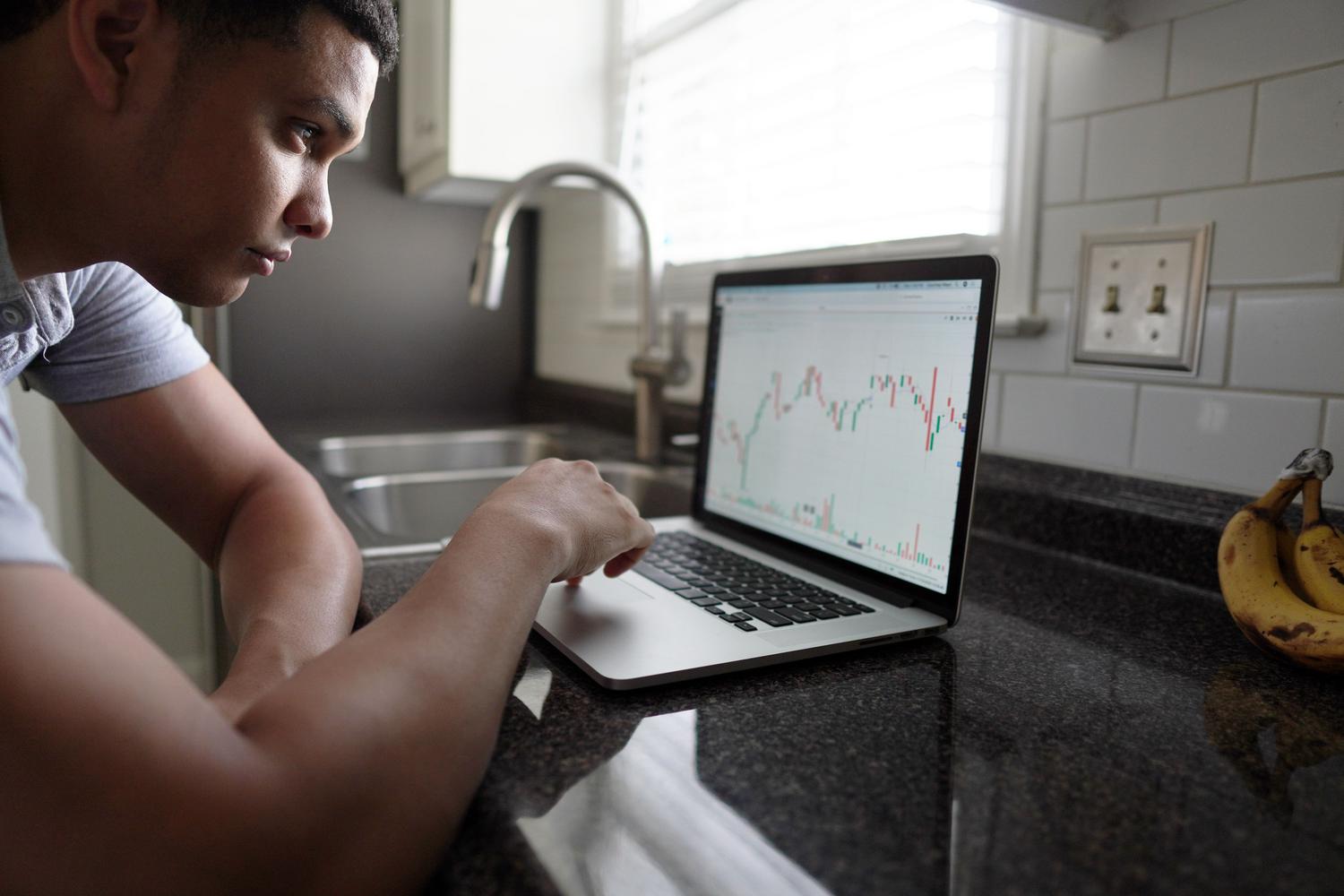
Embarking on the study of economics through screens means immersing yourself in an ecosystem where economic theory and applied mathematics go hand in hand with statistics and data analysis. It's not just about reading digital books, but about learning to use specialized software and quantitative tools that are what companies are currently demanding. The goal is to develop analytical thinking skills capable of solving complex problems and making strategic decisions based on real data.
For this to work, universities implement an experiential methodology . This means that, instead of focusing solely on theory, students work with real-world cases and simulations that mimic the professional environment. This way, when you graduate, you won't feel like you lack practical experience, but rather that you'll be well-versed in the challenges posed by the digital economy and modern markets.
Professional profile and acquired skills
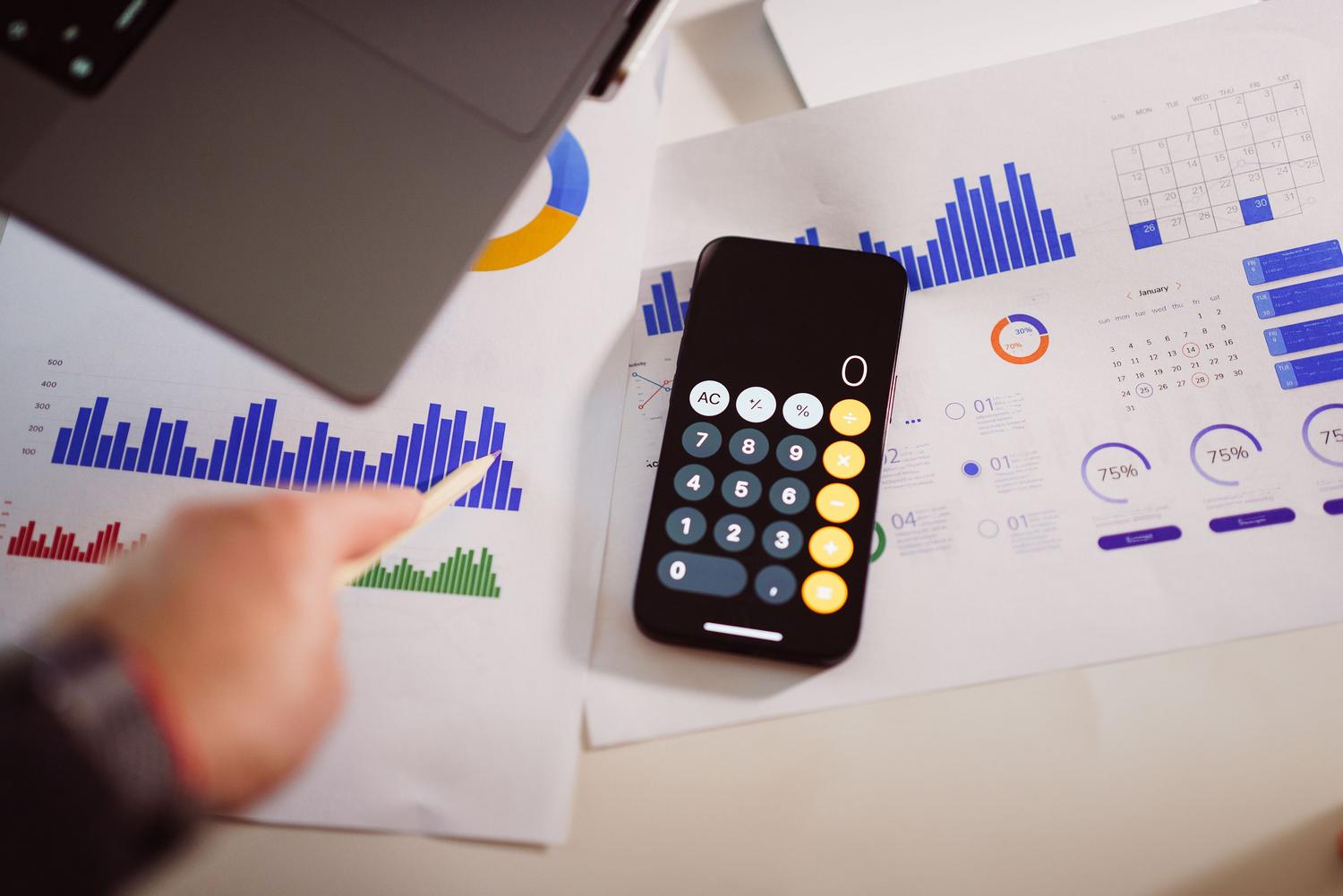
Upon completing your studies, you will not only have a degree, but also a wide range of skills. A well-trained economist is able to interpret economic dynamics in both the public and private sectors, enabling them to advise companies or governments on the design of policies aimed at sustainable development.
- Ability to analyze social phenomena from a detailed economic outlook.
- Ability to integrate into multidisciplinary teams and manage complex projects.
- Mastery of analytical and empirical tools for understanding the modern economy.
- Proactive attitude towards research and continuous training.
In addition, the program usually includes the preparation of a final project, which is essential to demonstrate that all the knowledge has been integrated and that there is the ability to generate new research in the area of economic sciences.
Career paths and growth opportunities

The truth is, there are countless opportunities. With a degree in economics, you can easily work in banking and finance , or join prestigious consulting firms where your analytical skills are valued. If you prefer something more stable, public administrations always need professionals capable of managing resources and designing economic strategies.
But it's not all about working for others. This training is ideal for those with an entrepreneurial spirit who want to innovate in emerging sectors or launch their own projects. The versatility of the degree allows you to work in multinational corporations or small tech startups, as long as you know how to apply economic logic to grow a business.
The importance of support and technology

Many fear that distance learning is a lonely path, but nothing could be further from the truth. The use of Information and Communication Technologies (ICT) allows for constant connection. You have tutors and professors who answer your questions in real time and interactive platforms that foster connections with your classmates.
This pedagogical approach is what guarantees inclusive education. Because it is a flexible program, it adapts to people of diverse ages and personal circumstances , allowing someone who already works or has a family to continue progressing academically without having to give anything up along the way.
In short, opting for higher education in economics through virtual modalities offers a perfect balance between academic rigor and personal flexibility, training the student in the use of advanced analytical tools and opening a solid path towards employment in finance, consulting or entrepreneurship, all supported by a technological ecosystem that eliminates physical borders.
