- Impact of the European Green Deal and the Wastewater Directive on production costs and health sovereignty.
- Implementation of EMS and BMS monitoring systems under GAMP5 standards to guarantee quality and safety.
- A necessary balance between ecological sustainability, innovation in ecodesign and access to essential medicines.
The pharmaceutical industry is at a critical juncture where European environmental regulations are forcing companies to rethink how to remain competitive. This isn't just about complying with rules, but about a paradigm shift that directly impacts GDP, highly skilled employment, and, most importantly, the European Union's healthcare sovereignty , ensuring that we are not overly dependent on third parties for our health.
To navigate this landscape, the sector must balance environmental ambition with economic viability. From the Urban Wastewater Directive to the REACH and CLP regulations, the legal framework has become much more demanding, posing a particularly tough challenge for SMEs, but also opening the door to investments based on ESG criteria and a much more robust circular economy.

The impact of the Green Deal and legislative pressure
The European Green Deal, launched in 2019, has triggered a flurry of policies aimed at achieving zero emissions and protecting the climate. The pharmaceutical industry is not opposed; in fact, it recognizes that global warming is a real threat that drives up hospital admissions and complicates the fight against respiratory and infectious diseases. For this reason, many major companies have already signed commitments to achieve net-zero emissions in the short term.
However, this is where things get complicated. There is a risk that these laws will not take into account unintended consequences , such as increased manufacturing costs in Europe. If unattainable standards or excessive costs are imposed—as is the case with some interpretations of wastewater management—we could end up becoming more dependent on countries outside the EU, where quality and environmental standards are not always aligned with our own.
Sustainability in practice: The Spanish case

In Spain, the sector has been ahead of many challenges. Through entities like Sigre, household pharmaceutical waste has been managed in an exemplary manner , and the goal is to extend this to industrial and hospital packaging from 2025 onwards. Intensive work has been done on the eco-design of packaging , resulting in millions of medications having reduced weight and facilitating the recycling of their materials.
- Energy efficiency: Energy consumption per employee has been reduced by more than 8% in the last four years.
- Clean energies: Almost 70% of the electricity used in the national pharmaceutical industry already has guarantee of renewable origin.
- Waste reduction: Waste generation per worker has also fallen in a similar proportion to energy consumption.

Pollutant control and air safety
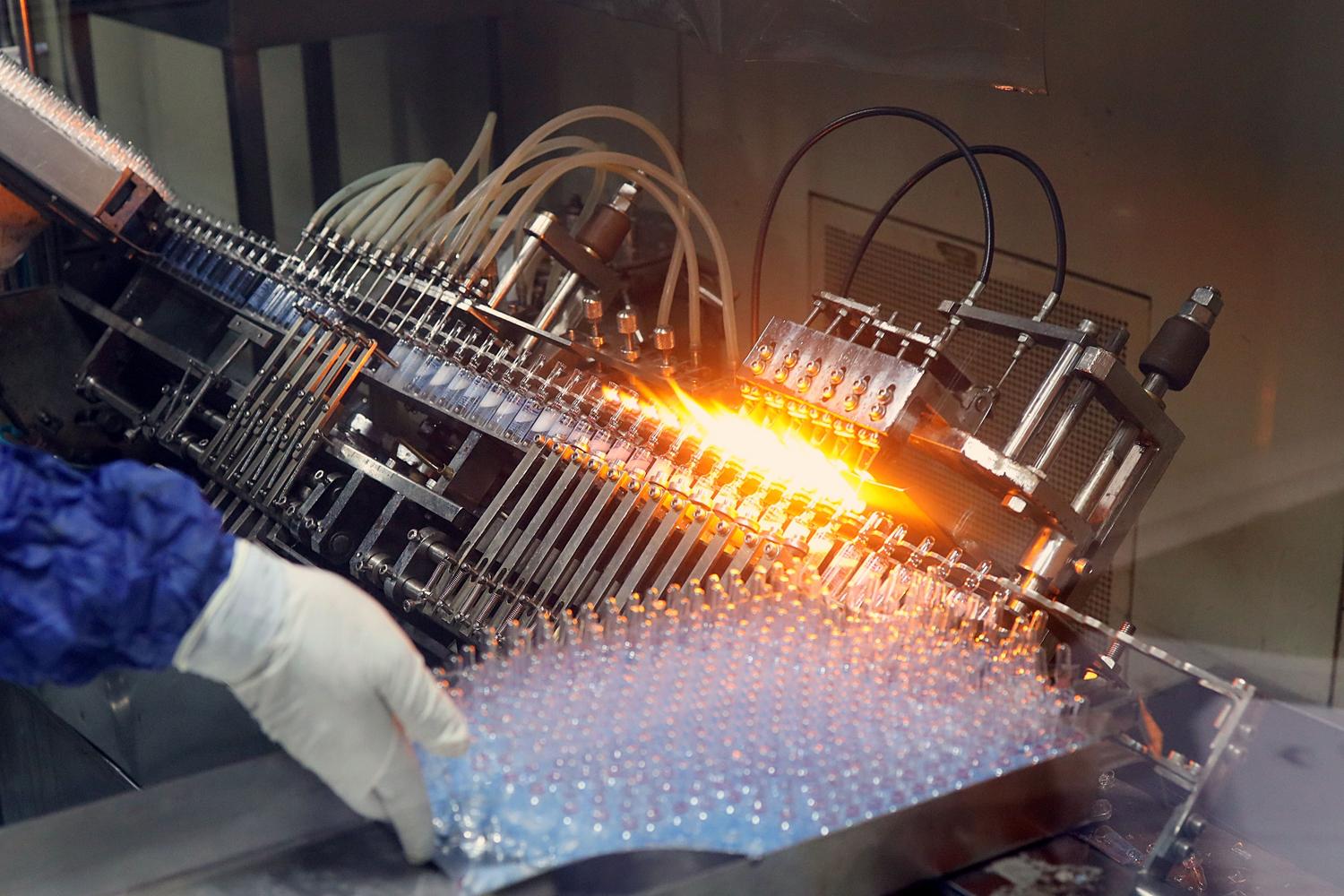
Not everything is external; the internal environment of plants is vital. Air quality is essential for preventing worker illness and ensuring compliance with preventive medicine and public health regulations . Handling active pharmaceutical ingredients (APIs) can generate toxic dust, while chemical synthesis releases solvent vapors such as benzene or methanol, which are dangerous if inhaled.
To prevent disasters, strict regulations are applied, such as the ATEX Directive for explosive atmospheres and ISO 14644 for cleanrooms. The use of local exhaust ventilation systems is essential to prevent volatile organic compounds (VOCs) and toxic gases from spreading throughout the facility, thus protecting the lung and liver health of personnel.

GAMP5 monitoring technology and standards
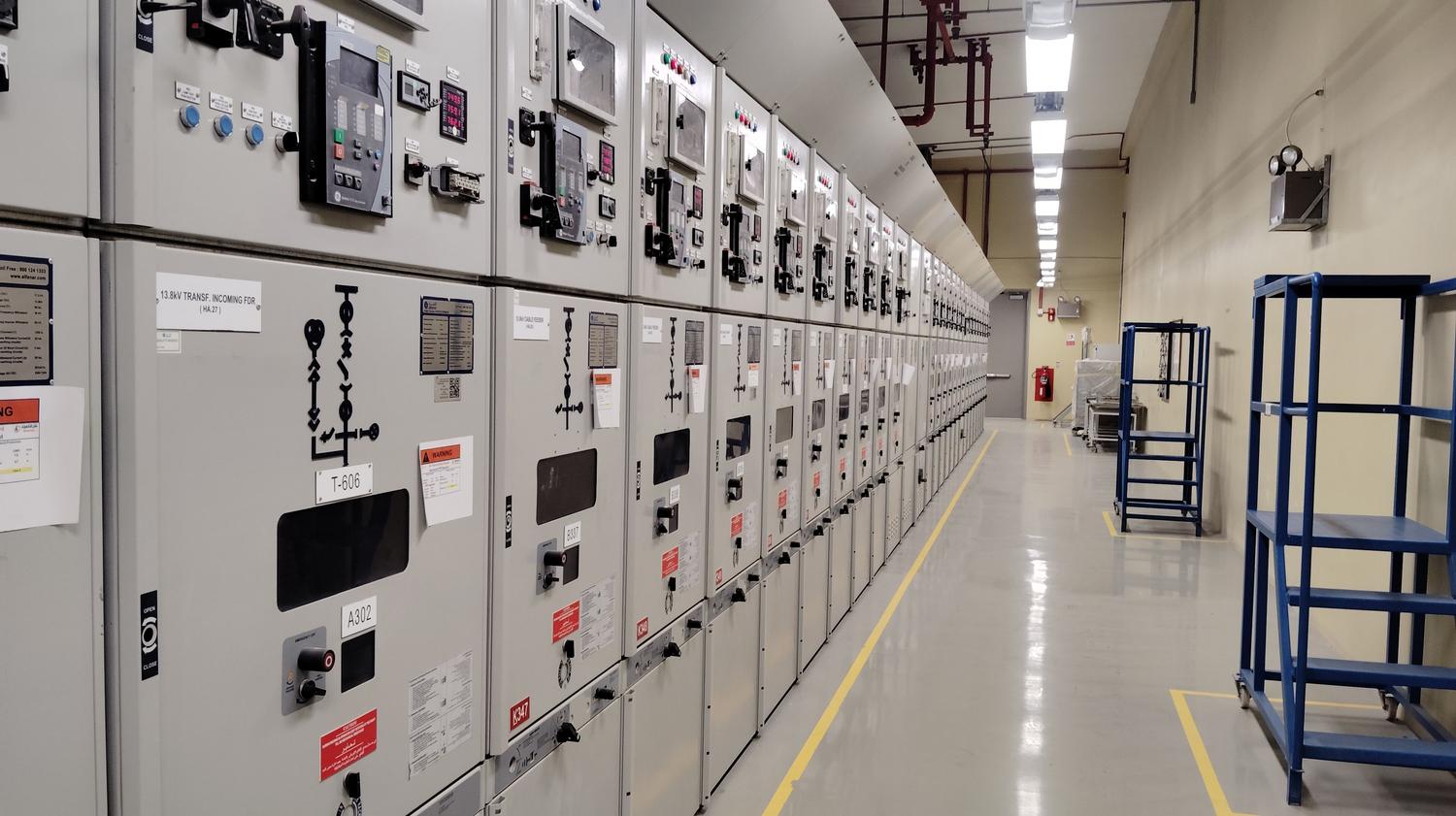
For a drug to be safe, its manufacturing process must be stable. This is where Building Management Systems (BMS) and Environmental Monitoring Systems (EMS) come into play. While the BMS controls air conditioning and energy, the EMS monitors critical parameters such as humidity, pressure, and particle concentration in real time.
These systems must adhere to the GAMP5 (Good Manufacturing Practices for Automated Systems) model , which utilizes a risk-based lifecycle approach. From system design to retirement, the goal is to ensure data integrity and traceability. Modern tools, such as the Real-time Monitoring System (RMS) , enable managers to monitor everything from a tablet or smartphone, receiving automatic alerts if a value falls outside acceptable limits.
The debate about chemical components
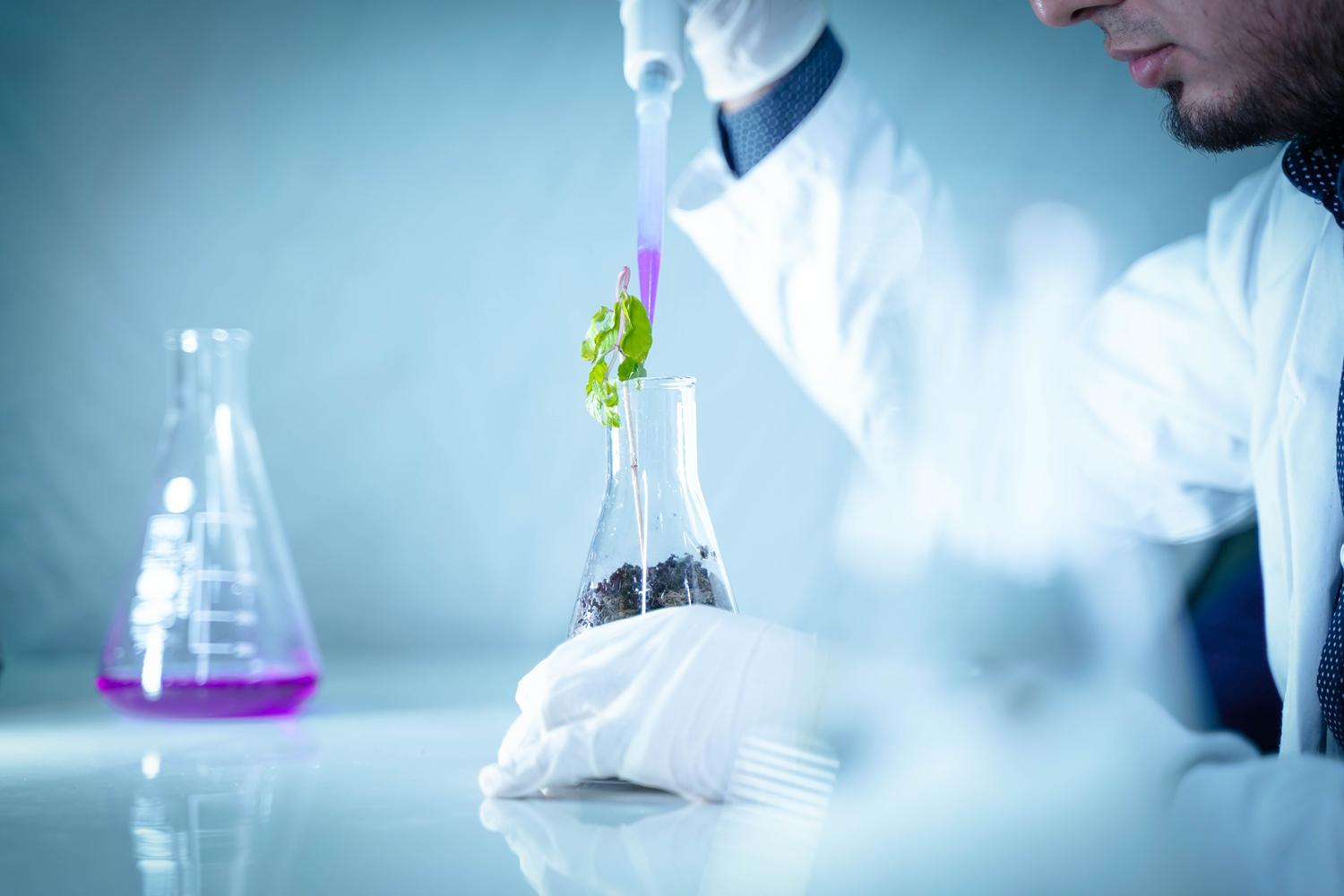
There are substances under scrutiny, such as PFAS (perfluoroalkyl substances) , titanium dioxide, and nitrosamines. The challenge here is to find sustainable substitutes that don't compromise the drug's efficacy. If these substances are banned without allowing time to research alternatives, we could face supply chain disruptions and shortages of essential medicines for patients.
The key to the future lies in proportionate , science-based regulation. If Europe can harmonize its laws without stifling R&D, it can lead the green transition without jeopardizing healthcare autonomy or access to treatments. Ultimately, it's about understanding that the health of the planet and the health of people are two sides of the same coin, integrating digitalization and the circular economy as drivers of growth.
