- Multidisciplinary training that encompasses history, philosophy, art and culture to understand the human experience.
- Development of critical, analytical and technological skills applicable to various work sectors.
- A wide range of career opportunities including teaching, cultural management, publishing and human resources.
- Diverse academic options ranging from specialized centers in Madrid to programs with an international focus.

If you're curious to understand how we got here as a species, or if you're passionate about unraveling the mysteries of culture and thought, then embarking on a Humanities degree is probably the best decision you can make. It's not just about reading old books, but about acquiring a global and critical perspective that allows you to navigate with ease in a world that changes at breakneck speed and sometimes seems fragmented.
The myth that these degrees lead to no future careers is often heard, but the reality is that today, more than ever, there is a need for individuals capable of formulating complex questions and analyzing reality from multidisciplinary perspectives. From cultural management to artificial intelligence, a background in the humanities is the perfect tool for those seeking a versatile and in-depth education.

What does a Humanities degree actually consist of?
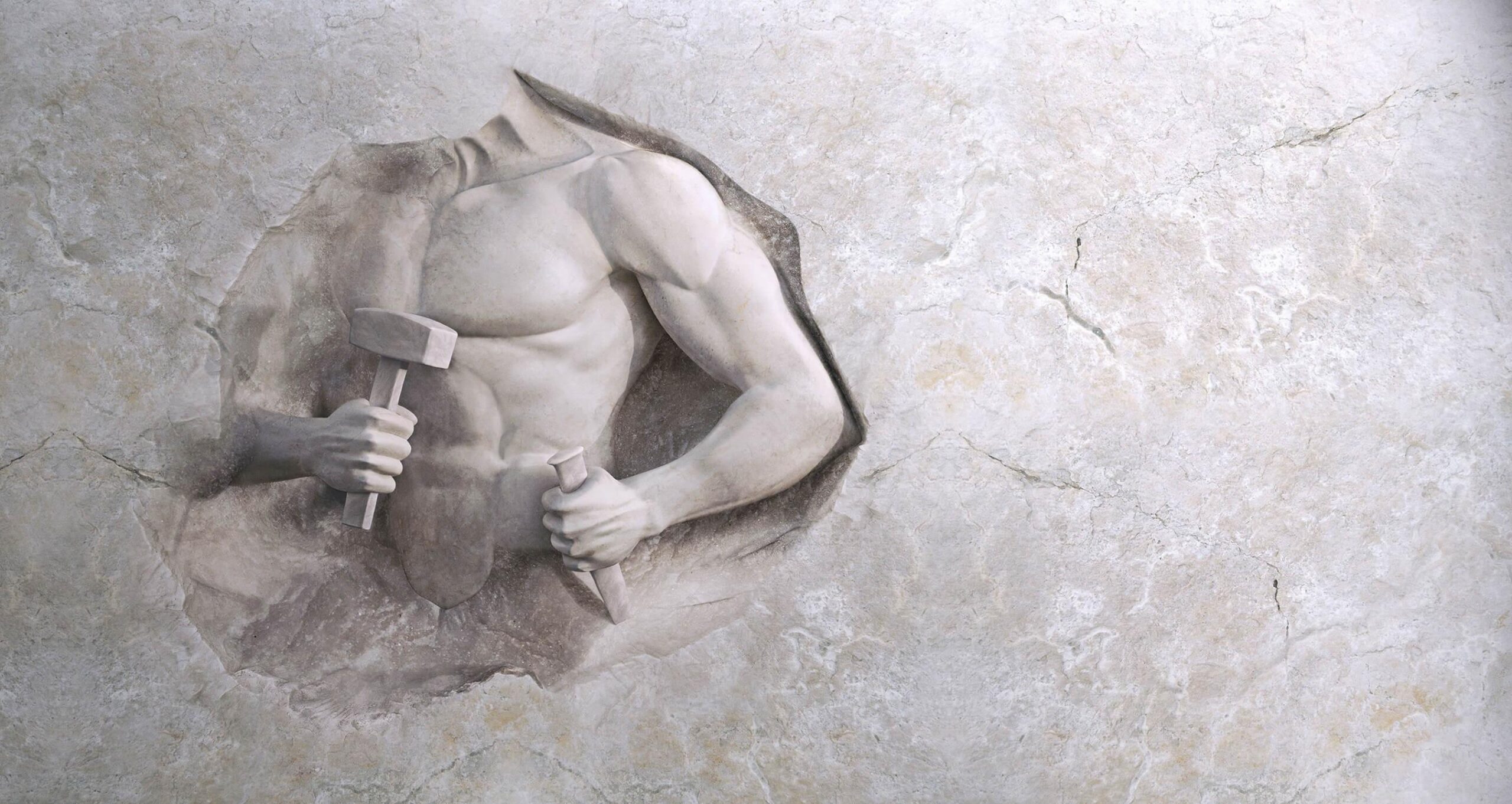
Essentially, this academic path seeks to decipher human experience by relying on a robust scientific and methodological foundation. It doesn't confine itself to a single discipline, but rather explores history, philosophy, literature, art, and geography , enabling students to understand the structure of the past and current social behavior.
The goal is to develop active citizens who not only consume culture but also drive the social and economic progress of their communities. A strong emphasis is placed on respect for human rights and equality , promoting a culture of peace and democratic values that are fundamental for any 21st-century professional.
Today, programs have been modernized to integrate digital humanities . This means that we no longer only discuss classical texts, but also how technology and artificial intelligence intertwine with heritage and communication, preparing graduates for a digitized and volatile job market.

Options for studying Humanities in Madrid and around the world
If you're looking for where to pursue your studies in the Spanish capital, there are some excellent options. For example, the Francisco de Vitoria University stands out as a leader, as it is the very core of its educational project, boasting a very high employability rate and an approach that combines theory with practical business experience.
At UFV, students can pursue parallel diplomas in AI and Digital Humanities, taking advantage of state-of-the-art facilities and the opportunity to complete internships at prestigious institutions. On the other hand, if you're looking for something with a more global focus, CIS University offers a disruptive program where classes are taught entirely in English and students earn an American degree, even allowing them to complete their studies at universities in the United States.
There are also diverse public options such as the Pablo de Olavide University, which focuses on teaching in small groups and a thorough command of modern languages (such as Arabic, German or Italian) and ICTs, ensuring that the student not only knows about culture, but also has technical tools to compete globally.

Career opportunities: Where will I work?

This is where many people have doubts, but the range of options is surprisingly broad. The most traditional path is undoubtedly teaching and research , whether in secondary schools, high schools, or universities, where the humanities expert is key to transmitting knowledge.
However, there are much more contemporary career paths. Cultural and heritage management is a fertile field; museums, galleries, and conservation centers need people who know how to interpret and disseminate human and natural heritage. Likewise, the publishing world and the media (journalism, screenwriting, content creation) greatly value the analytical and writing skills of these professionals.
But be aware that there are also opportunities in the corporate world. Many companies seek Humanities graduates for their Human Resources departments , as their ability to understand human nature and manage talent is a key differentiator. Furthermore, international relations, working in NGOs, or embassies are ideal career paths for those who excel at intercultural communication.
Skills and competencies you will develop
Beyond historical facts or the names of philosophers, what you truly gain is a set of transferable skills . You will learn to analyze contemporary reality with a critical eye, to synthesize complex information, and to argue rigorously—skills that are invaluable in any position of responsibility.
Studying the humanities teaches you to adapt. It equips you with a mental flexibility that allows you to jump from an archaeology project to a digital communication strategy without batting an eye. This professional versatility is what enables a graduate to work in a library as well as in a social innovation consultancy.
Furthermore, current training focuses on the ability to solve problems through strategic thinking . It's not just about knowing what happened in ancient Greece, but about applying those lessons to understand current geopolitical conflicts or the consumption patterns of a globalized society.
Studying this degree involves immersing oneself in multidisciplinary training that merges classical wisdom with the most modern technological tools, opening up a career path that ranges from education and museum management to talent consulting and international relations, ensuring that the professional is able to provide a critical and analytical perspective in any complex and digitized environment.