- The didactics of mathematics is a scientific discipline that adapts teaching to the cognitive processes and needs of the students.
- The pedagogical approach must evolve from play in early childhood education to the resolution of complex and abstract problems in high school.
- Current challenges include combating the digital divide, implementing the STEM model, and transitioning to competency-based assessment.

Mathematics is often perceived as a dry subject, generating an instinctive aversion and considerable frustration among students. This bad reputation is not accidental; it stems from traditional teaching methods that, for decades, prioritized rote memorization over understanding, distancing students from the true essence of this science.
To turn this situation around, mathematics education comes into play, a scientific discipline that doesn't just offer tricks for teaching addition, but rather thoroughly analyzes how mathematical knowledge is constructed . The goal is to transform the classroom into a space where learning is meaningful and adapts to each individual's pace, making numbers cease to be an enemy and become a useful tool.

What does the teaching of mathematics really consist of?

More than an instruction manual, this discipline is a field of study that seeks to answer critical questions about the cognitive obstacles students encounter and what strategies are most effective at different ages. It's not about the student conforming to the method, but rather about the methodology being flexible and adaptable to the diversity of the classroom, fostering motivation and academic achievement through active learning approaches.
Evolution of learning according to educational stage
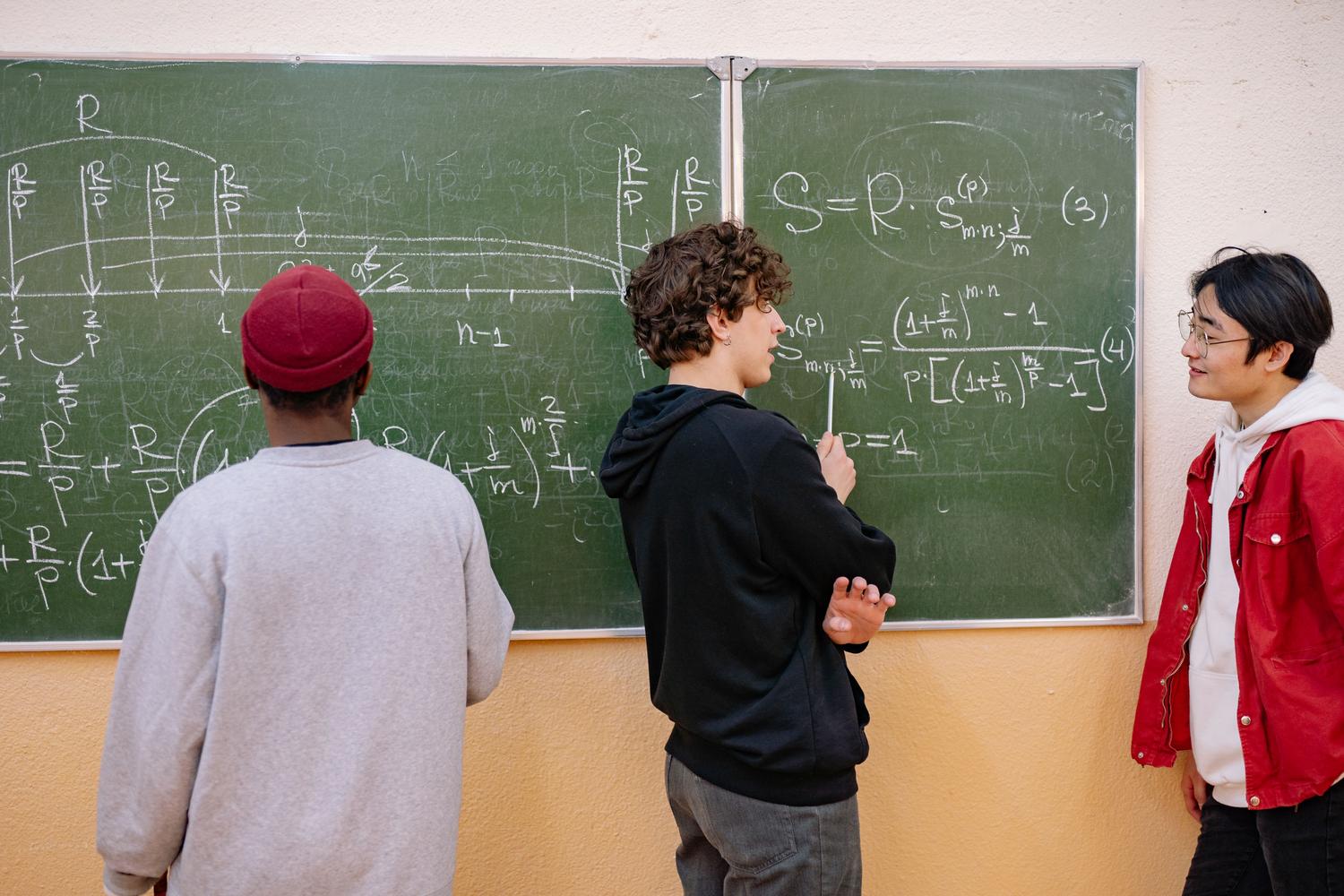

The teaching of mathematics cannot be linear, since the human brain evolves and requires different stimuli at each stage:
- Early Childhood Education: This is the first contact and should be based on play and experimentation. Between the ages of 3 and 6, children assimilate basic concepts by connecting mathematics with their everyday environment, such as counting toys or recognizing shapes in the classroom.
- Primary education: Between the ages of 6 and 12, the transition from concrete to formal thought occurs. At this stage, it is vital that teaching methods serve as a bridge, using technological resources and educational software to visualize abstract concepts. The evaluation should focus on the reasoning and not just on whether the result is correct.
- Secondary and High School: In this phase, the challenge is to maintain interest in much more complex and abstract content. The aim is to develop high-level skills such as demonstration and problem solving non-routine, catering both to those who will go into engineering and to those who need functional mathematical training.
The role of the teacher and professional planning
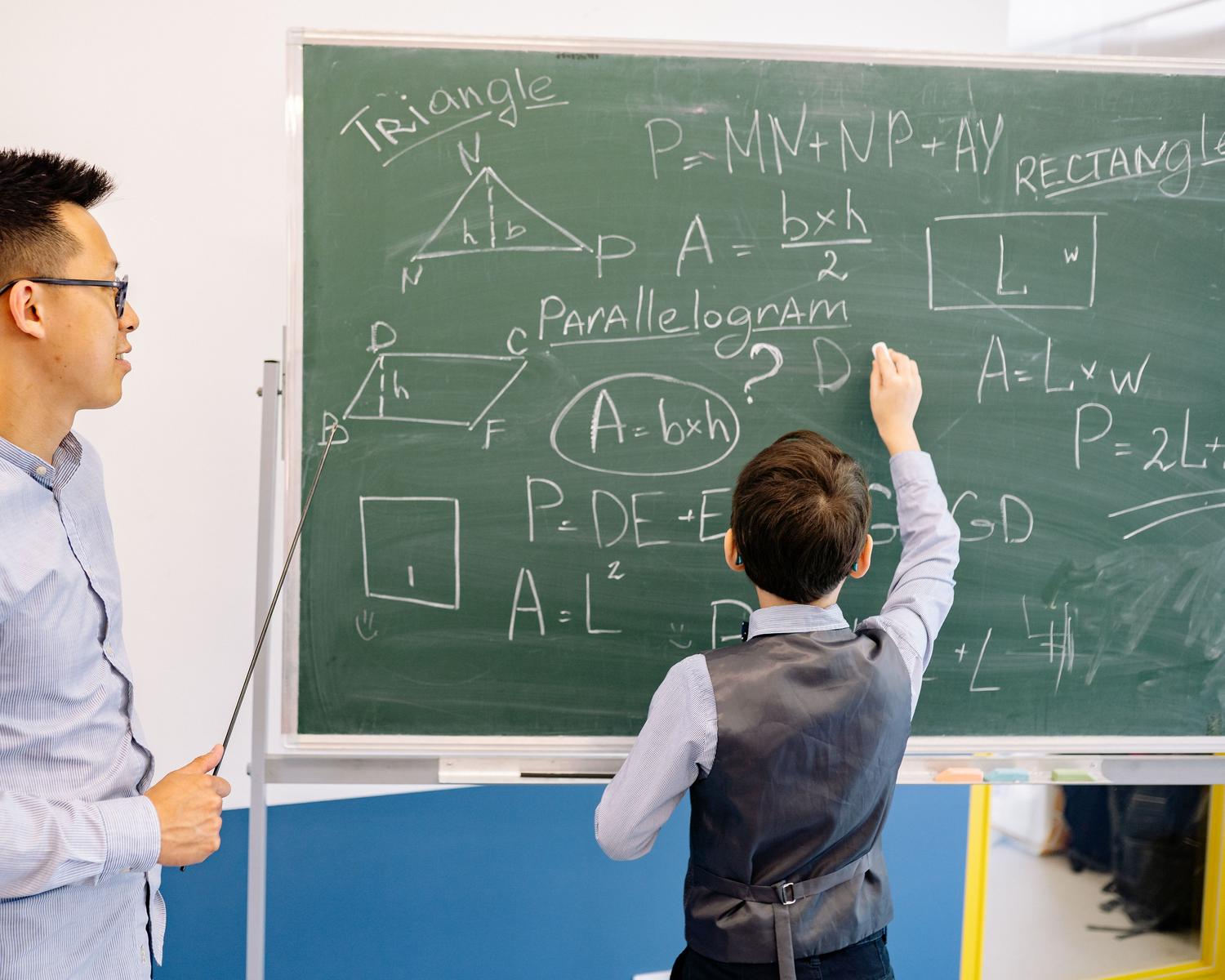
The teacher's role goes far beyond simply delivering a lesson; it involves reflective pedagogical practice . This entails designing a coherent curriculum that integrates task assignments, resource management, and effective communication. The language used in class is crucial so that students don't feel lost in a sea of technical jargon, but rather achieve fluid and understandable interaction.

Current challenges in the mathematics classroom

The current educational landscape, marked by the information age and technological acceleration, presents challenges that require teachers to be in constant training:
One of the most critical points is inclusive technological integration . While digital simulations are wonderful for understanding geometry or algebra, there is a risk of creating a digital divide. The challenge is to balance the technological tool with the development of independent mathematical thinking.
Furthermore, addressing diversity is imperative. Classrooms are heterogeneous and require inclusive mathematics teaching strategies that allow for multiple pathways to knowledge. Added to this is the need to break down the isolation of the subject through a STEM approach , integrating mathematics with science and technology through real-world, authentic problems.
Finally, it is necessary to move towards competency-based assessment . It is no longer useful to evaluate the ability to memorize a formula; what matters is how the student applies that knowledge to solve complex situations, diversifying assessment tools beyond the traditional written exam.
Professionalization in this field, through specializations such as master's degrees in didactics, allows educators to master cognitive processes and design innovative materials. Ultimately, the goal is to train professionals capable of leading pedagogical change that prepares students for an uncertain and ever-changing job market , providing them with a solid foundation that facilitates their continuous adaptation.
