- Mechanisms for independence and technical resources for competition authorities to guarantee a fair internal market.
- Inspection protocols, sanctions and leniency programs to combat secret cartels in the EU.
- Regulatory framework and subsidies for vocational training programmed by companies in the Spanish labor field.
- Criteria for legal interpretation and transposition of European directives into national law.

When we talk about effectively applying regulations , we're not just referring to reading a legal text and following it to the letter, but to a whole process of interpretation and implementation that ensures a level playing field for everyone. Whether in the complex framework of European Union competition law or in the management of vocational training in Spain, the key lies in the capacity of institutions to act with independence and technical rigor.
In this sense, it is essential to understand that the legal system is a living ecosystem. To avoid making mistakes, it is necessary to master the interpretation of the rules , navigating between the literal meaning of the words, the legislative context, and current social reality, preventing the judge's subjectivity from clouding justice. Below, we break down how these regulations are applied in practice to achieve real results.

The machinery of competition in the European Union
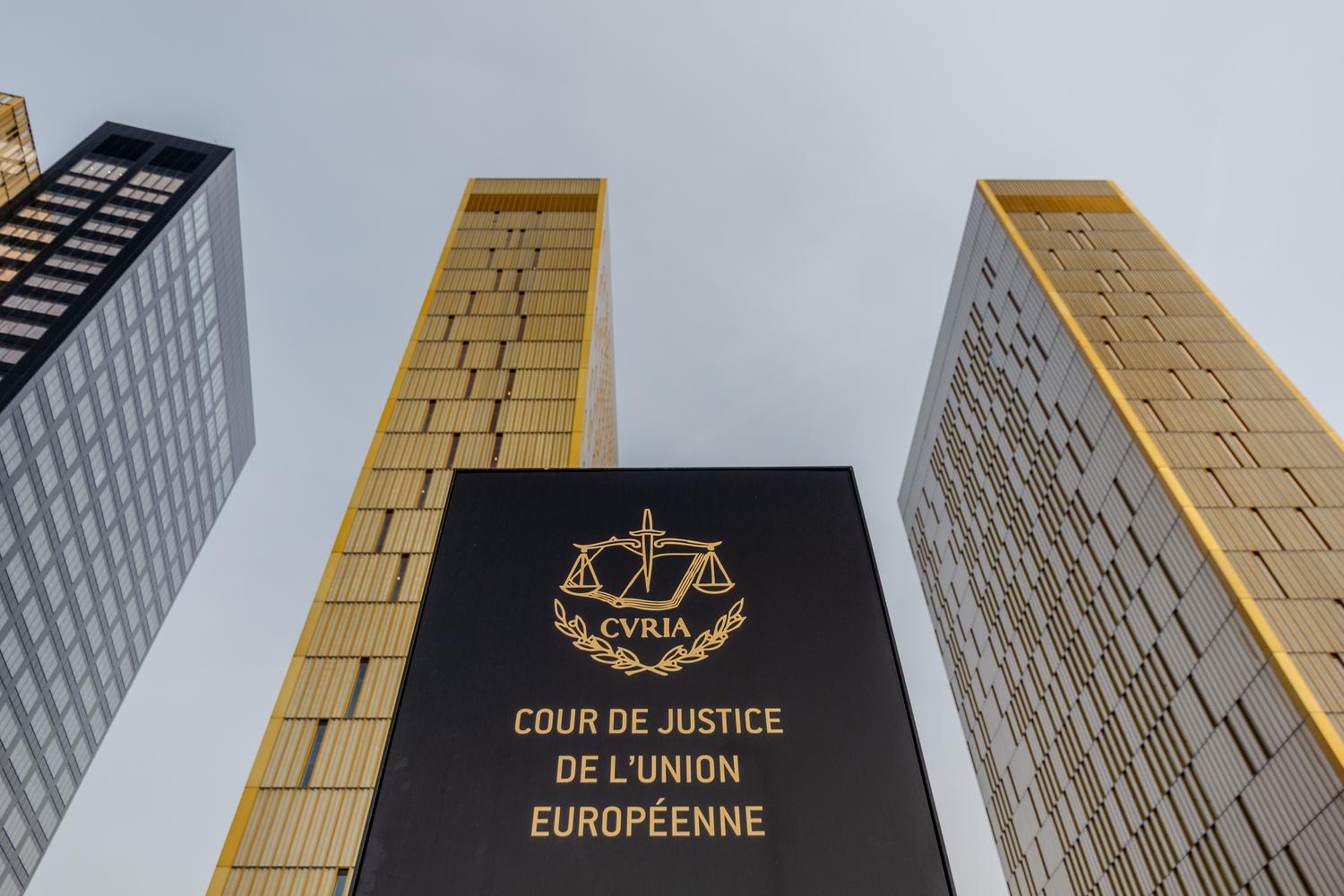
To prevent the internal market from becoming a Wild West, the EU has equipped national competition authorities (NCAs) with powerful tools. Laws alone are not enough; these entities must have operational independence , meaning they must be shielded from political pressure or external interference that could bias their investigations.
In addition to political protection, it is vital that they have access to financial resources and qualified personnel. The digital economy of the 21st century cannot be combated with tools from the last century; therefore, access to advanced technologies for analyzing massive amounts of data and tracking evidence in the cloud or on mobile devices is essential.
Investigative and control powers

The National Civil Police (ANC) does not require permission to enter if there are well-founded suspicions. They have the power to conduct unannounced inspections of premises and land, and can examine books and documents regardless of the format. In more sensitive cases, where there is suspicion that evidence is located in the private residences of executives, they can gain access provided they have a judge's authorization.

- Information requests: Companies are required to answer truthfully, although they cannot be forced to incriminate themselves.
- Interviews: The ability to summon anyone with relevant information is fundamental to piecing together the puzzle of an infraction.
- Precautionary measures: When there is a risk of irreparable damage to the market, provisional restrictions may be imposed before the process is completed.
Sanctions and the strategy of clemency

If a company plays dirty, the fines can be devastating, reaching up to 10% of its global turnover . These penalties are intended as a deterrent, so that no one considers it worthwhile to break the law. However, there is a way out for those who decide to cooperate: leniency programs.
Leniency is essentially an agreement where the authority forgives or reduces a fine in exchange for the company revealing the existence of a secret cartel . To obtain this benefit, the applicant must cooperate fully, consistently, and diligently, providing evidence that the authority did not previously possess. This creates an incentive for members of an illegal agreement to betray one another, making it easier to detect anticompetitive practices.
The path from European regulations to national law

Not all EU law works the same way. Regulations and decisions are straightforward: they are applied automatically. But directives require an extra step called transposition , where each country must adapt the rule into its own national legislation within a set timeframe. If a member state fails to comply or does so incorrectly, the European Commission, as guardian of the Treaties , can open infringement proceedings that could result in financial penalties.

Company-sponsored vocational training
Shifting gears, in the Spanish labor market, the application of regulations on vocational training for employment is crucial for competitiveness. It is regulated through Law 30/2015 and various Royal Decrees that govern how companies can plan the training of their employees and obtain the corresponding funding and subsidies.
This system is dynamic and is adjusted through annual resolutions of the State Public Employment Service (SEPE ). A clear example was the implementation of urgent measures to mitigate the impact of disasters such as the DANA storm or the COVID-19 crisis, allowing vocational training to continue despite the exceptional circumstances.
Criteria for a correct legal interpretation
To avoid arbitrary interpretations, the Civil Code establishes a roadmap. First, the literal meaning of the words is examined (grammatical interpretation). Then, the context and historical background are analyzed to understand the legislator's intent. Finally, social reality and the spirit of the law are taken into account , resorting to analogy only when there are legal gaps and the matter does not fall within the realm of criminal law.
The successful implementation of these laws depends on a balance between technical rigor and the ability to adapt to unforeseen market and societal changes. From combating European monopolies to managing training subsidies in Spain, the effective application of the law requires transparency, adequate resources, and constant oversight to ensure legal certainty for citizens and businesses alike.
