- UNESCO's UIL promotes formal, non-formal and informal education to combat global poverty and social exclusion.
- It focuses on the empowerment of vulnerable groups, with special emphasis on literacy and economic autonomy for women.
- It develops research and public policies to create learning ecosystems adapted to the digital age and AI.
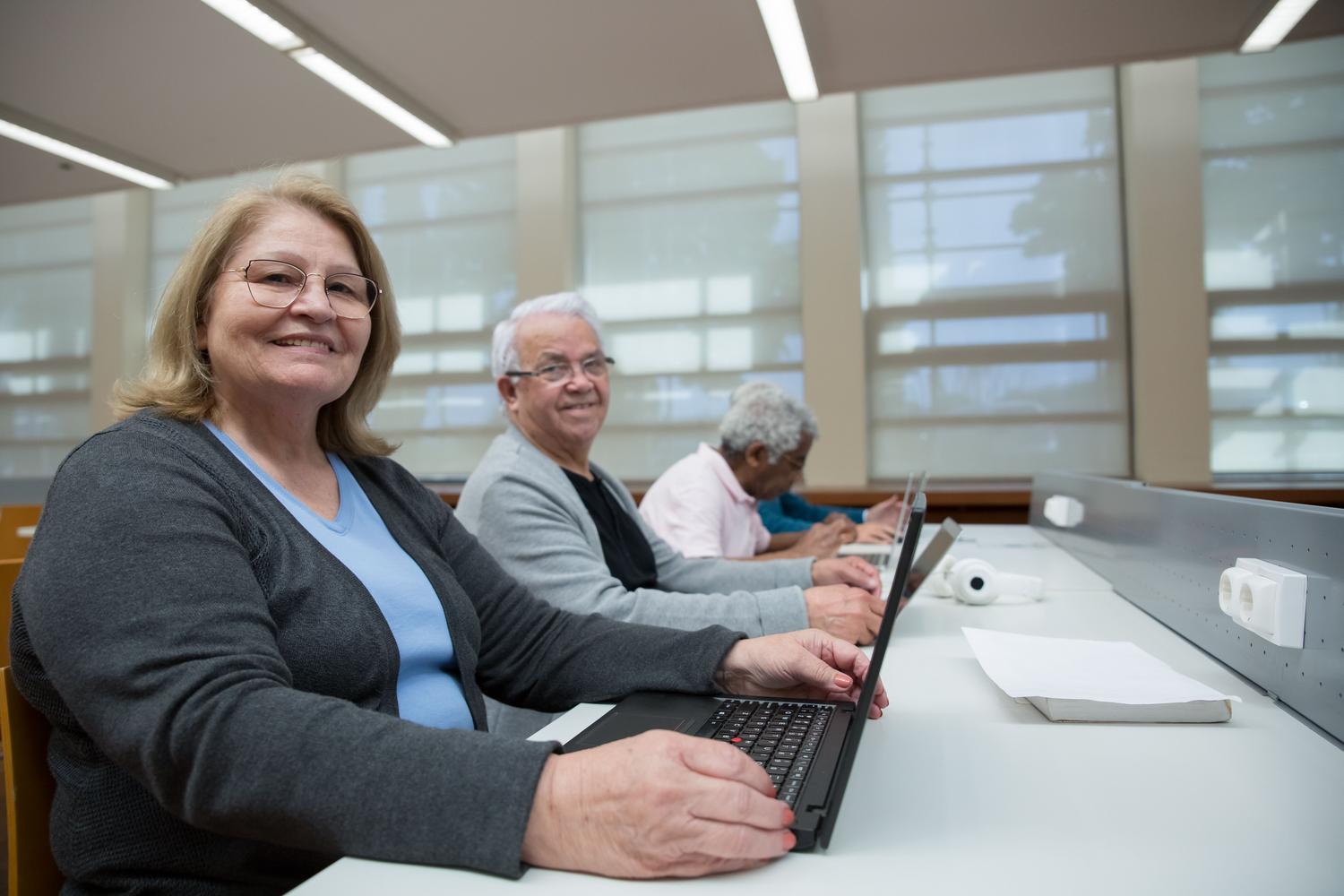
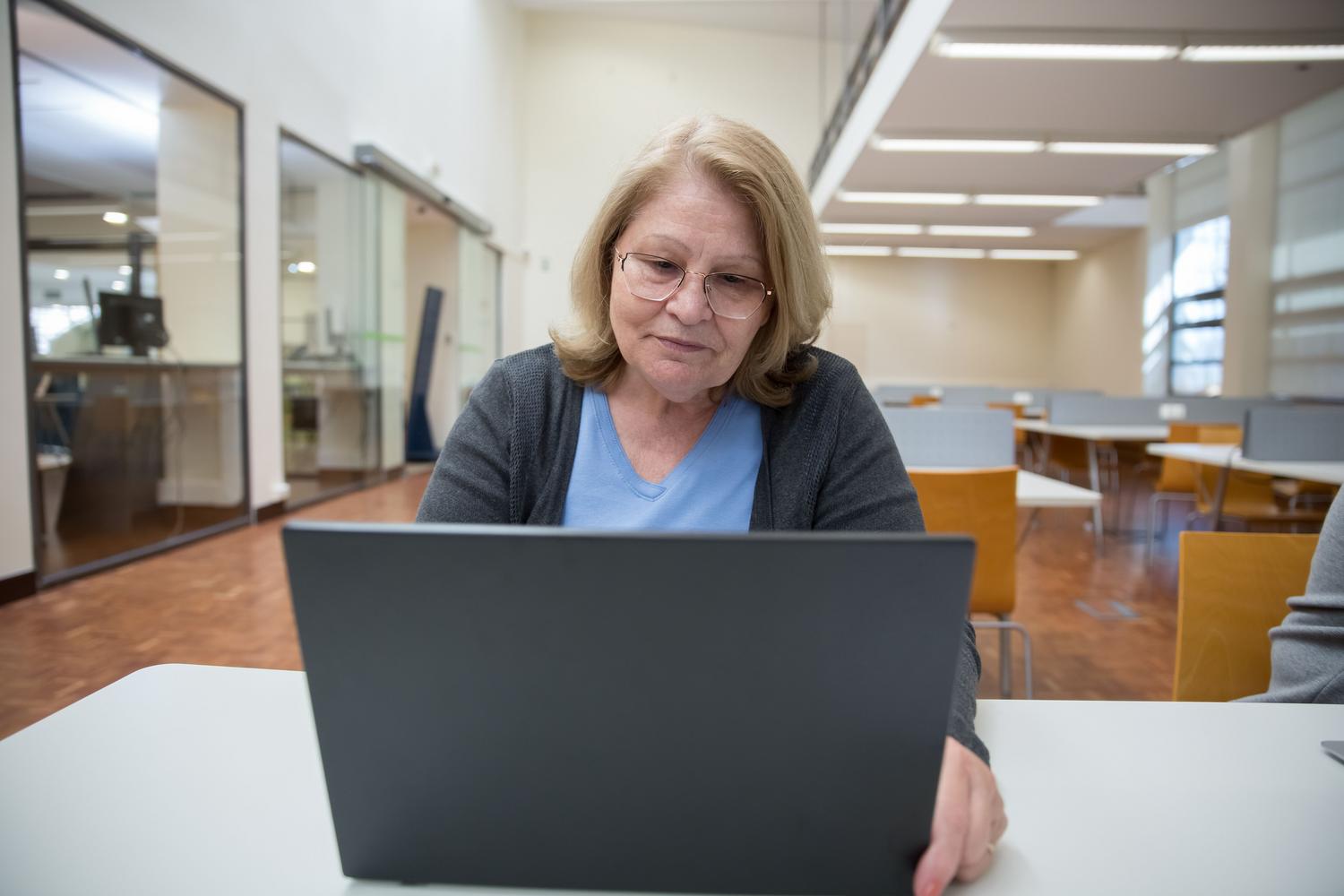
Learning isn't something that ends when we leave school or university; it's a lifelong journey that happens everywhere . From the comfort of our own homes or the workplace to the most formal classrooms, acquiring knowledge is a continuous process that allows us to adapt to a constantly changing world, especially now that artificial intelligence and digital technology have connected the entire educational ecosystem, allowing us to study at our own pace and wherever we want, highlighting the importance of lifelong learning.
In this context, the need arises for structures that foster this capacity for continuous learning. The UNESCO Institute for Lifelong Learning (UIL) emerges as a key driver to ensure no one is left behind, combating a global educational crisis where millions of adults still lack basic literacy skills and access to training opportunities.

What exactly is the UIL and what is its mission?

The UIL is not your average school, but an international non-profit center specializing in research, training, and documentation . Its primary goal is to ensure that all forms of education—formal, non-formal, and informal—are valued and accessible to everyone on the planet. To achieve this, the institute focuses on marginalized and disadvantaged groups , ensuring that learning becomes a genuine tool for social inclusion.
To ensure this doesn't remain just talk, the center is implementing a series of concrete actions, including:
- The publication of the International Review of Education, which is the oldest and most prestigious journal in the field of comparative education.
- The coordination of milestones such as the Sixth International Conference on Adult Education (CONFINTEA VI).
- Network management as ALADDIN and the organization of Adult Apprentices Week.
- A close collaboration with the Association for the Development of Education in Africa (ADEA).
Research lines and strategic approach

The institute's work is highly action-oriented and focused on generating effective public policies. They don't limit themselves to theory, but rather conduct case studies and comparative analyses to understand how to create environments where society is truly literate. Their research ranges from the theoretical foundations of lifelong learning to the creation of qualification frameworks and bridges that allow for the validation of experience acquired outside of traditional classrooms.
Furthermore, the UIL focuses on issues critical to humanity. It's not just about reading and writing, but about using education to combat poverty, eradicate hunger , and address the climate crisis. They also work intensively on conflict prevention, promoting critical citizenship and good governance, understanding that an educated population is the foundation of a democratic and peaceful society, and promoting service learning for global justice.
Women's empowerment and equality
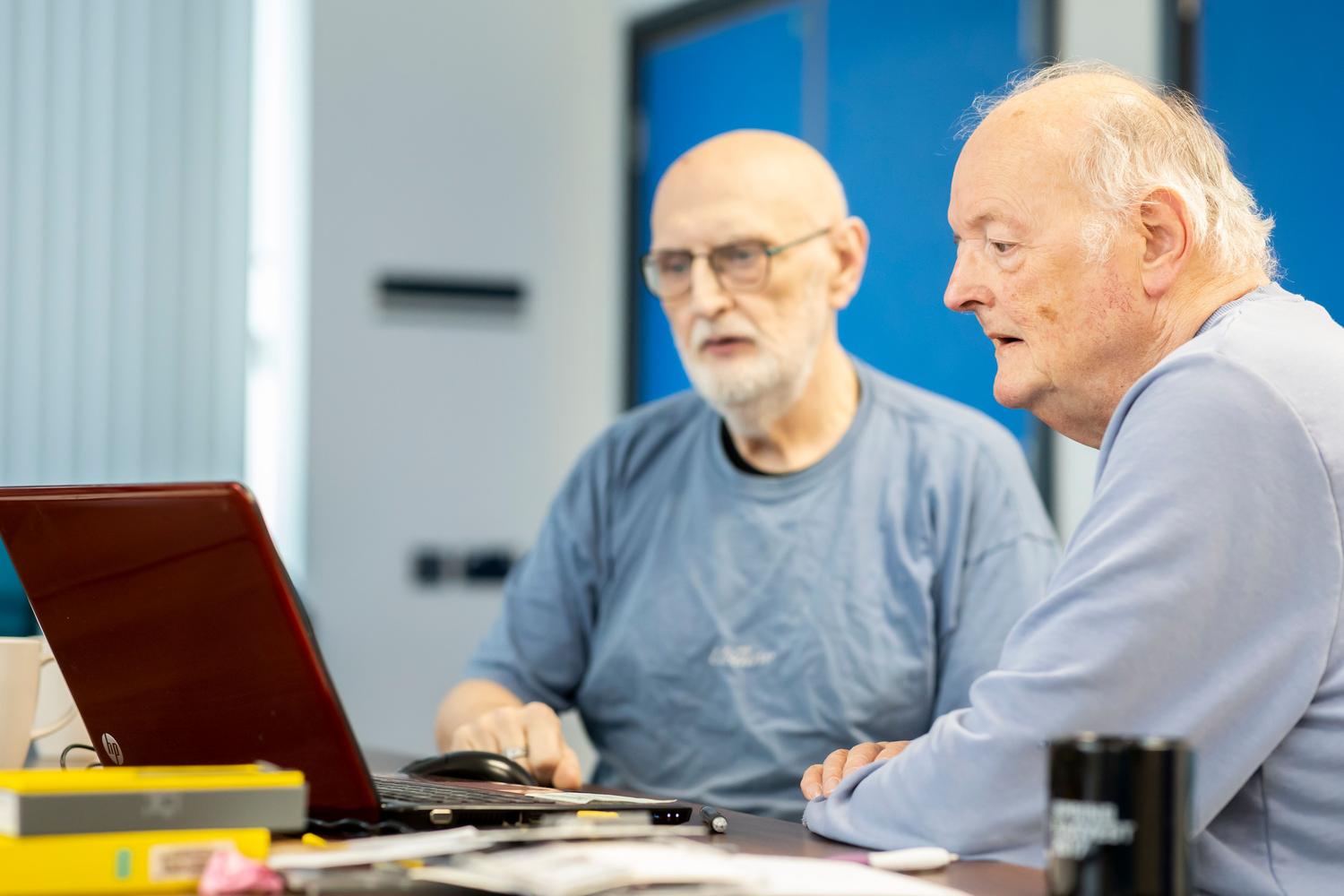
A fundamental pillar of their strategy is the gender perspective. It is known that women's empowerment begins when they have access to learning opportunities that truly respond to the needs of their community. A clear example is what is happening in Lusaka, Zambia, where community learning spaces help women gain economic independence and confidence through literacy and financial management.
This approach aims to ensure that girls and women are not just students, but become leaders and agents of change in their own societies. Therefore, the institute integrates a gender perspective into all its budgets and monitoring systems, seeking to create culturally sensitive indicators that allow it to measure the real impact of education on women's lives.
Organizational structure and support to States
To operate such a complex system, the UIL relies on a multidisciplinary team of professionals from 19 different countries , ranging from social science researchers to expert librarians. Its operations are overseen by a Governing Board composed of 12 educators from around the world , appointed by the Director-General of UNESCO, ensuring a global and diverse perspective.
The technical support they provide to member states is comprehensive. They not only offer advice but also help design public policies, plan programs , and implement evaluation systems to make lifelong learning a tangible reality. In a world where upskilling and reskilling are vital , the UIL acts as a bridge between academic research and practical application on the ground.
The ability to integrate formal education with everyday experience is what allows learning ecosystems to be truly inclusive. By strengthening partnerships and providing evidence-based data , the foundation is laid for anyone, regardless of age or social status, to continue evolving and contributing to the sustainable development of humanity.