- Multidisciplinary training that integrates history, geography and art to obtain a global vision of human development.
- Access to a wide range of career opportunities, from teaching and research to cultural heritage management.
- Flexible and digital learning methodology that allows the reconciliation of studies with work and personal life.

If you're passionate about unraveling the mysteries of the past and understanding how the physical environment shapes our societies, embarking on an online degree in History and Geography is undoubtedly one of the best decisions you can make. This type of education doesn't just scratch the surface; it immerses you in a fascinating journey where time and space intertwine, allowing you to understand everything from the earliest civilizations to today's complex geopolitical challenges.
The best part is that these days you don't need to be locked in a classroom to earn an official qualification. Thanks to the flexibility of e-learning , you can manage your own schedule, studying from anywhere with an internet-connected device. It's the ideal option for those with a curious mind who want to acquire a solid cultural foundation without sacrificing their daily routine.
What does this multidisciplinary degree actually consist of?
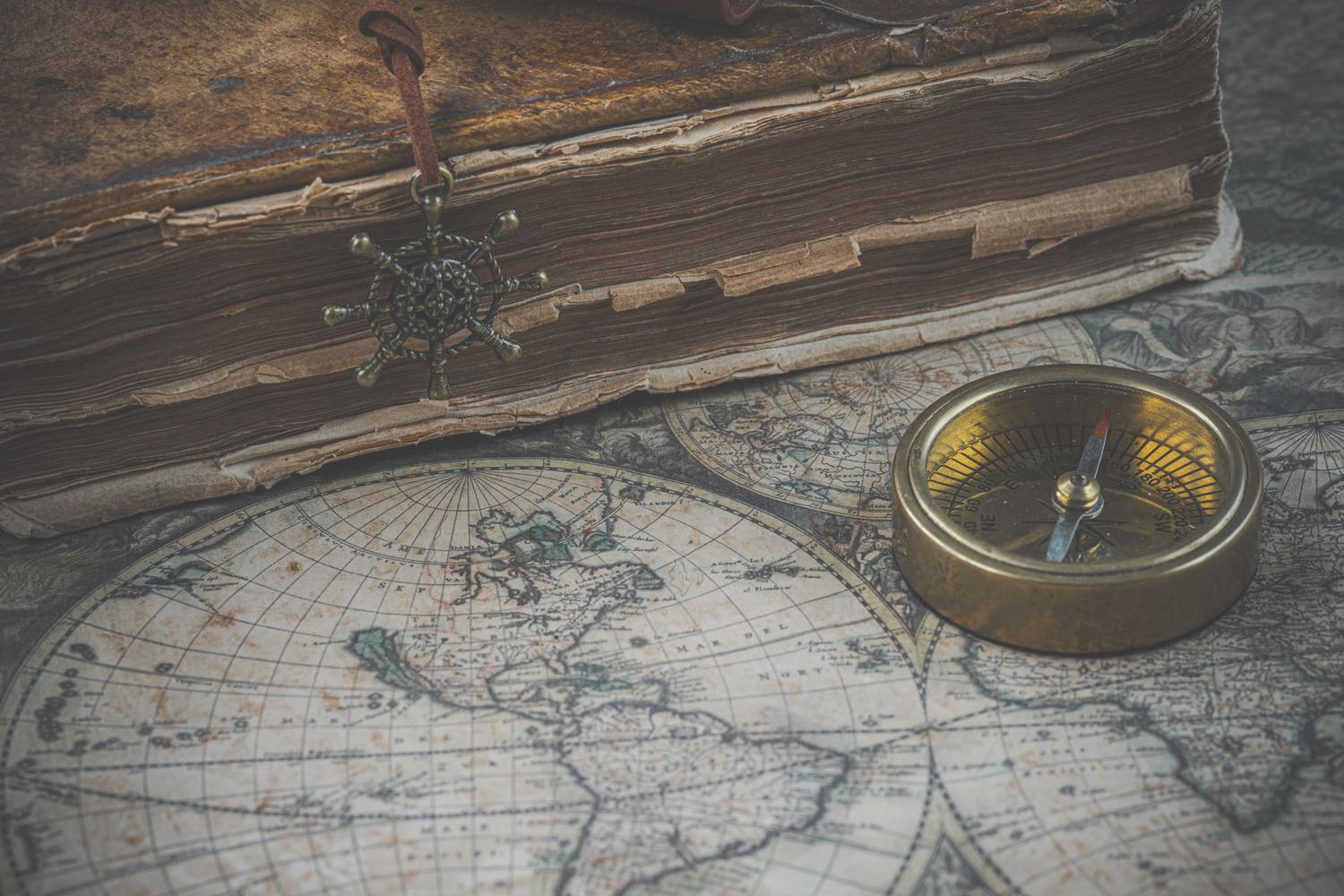
This educational program is a powerful combination that unites three fundamental pillars: History, Geography, and Art History. The goal is for students to see these subjects not as separate disciplines, but rather to develop a holistic view of the world . By studying how cultures evolved and how they were organized across territories, you are able to analyze social and artistic contexts with a much sharper and more critical eye.
This training is designed for dynamic individuals, eager to take on the world and who enjoy seeking the truth from original and reliable sources . It's not just about memorizing dates, but about developing analytical and synthesis skills that allow you to connect past events with current situations, understanding that the present is the direct result of a chain of historical ruptures and continuities.
Career paths and opportunities in the market

Many people think that studying the humanities is a dead end, but the reality is that the profile of a graduate in these disciplines is strategically important today . The skills acquired allow them to move with ease in both the public and private sectors, adapting to a growing demand for qualified professionals in culture and local affairs.
- Academic field: Teaching in Secondary Education, High School and University continues to be one of the most common and rewarding paths.
- Asset Management: You can work as a curator in museums, a cultural heritage manager, or in archives and libraries, ensuring that collective memory is not lost.
- Consulting and Planning: Territorial analysis is key to urban planning, cultural industry consulting, or even business strategy.
- Research and Media: From specialized journalism to pure academic research, mastery of sources is an invaluable tool.
A detailed breakdown of the curriculum
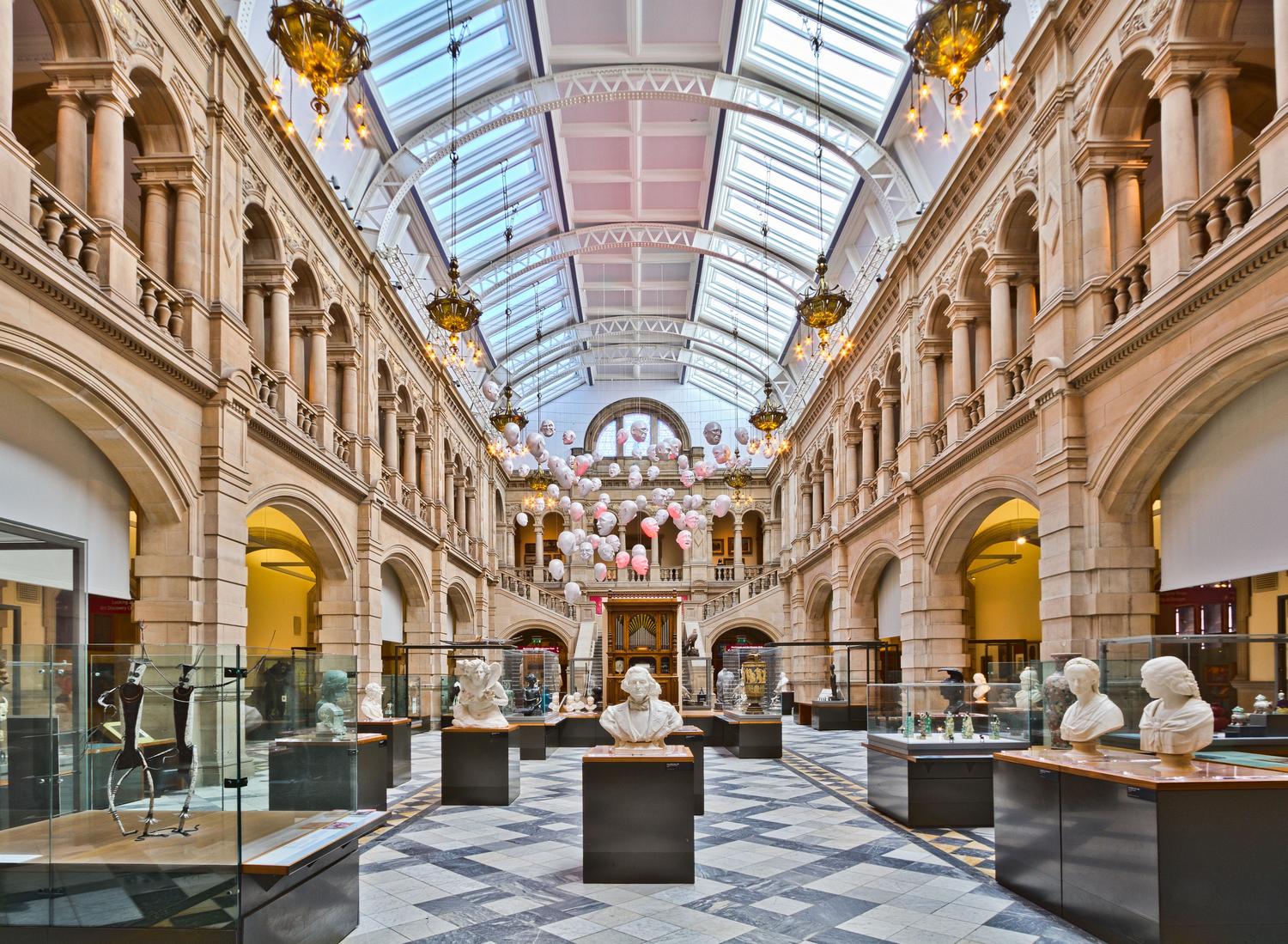
The academic curriculum is extensive and rigorous, covering all stages of human history and the various branches of geography. During the first few years, the focus is typically on the foundations: Prehistory, Physical Geography, and Archaeology , establishing the groundwork upon which the rest of the knowledge will be built.
The Journey Through History
The program covers world history from Antiquity, through the Middle Ages with its kingdoms and feudalism, to the Modern Age and its major transformations. Special emphasis is placed on the History of the Americas , analyzing everything from pre-Columbian civilizations such as the Maya, Aztec, and Inca, to the colonial period and the subsequent independence of Latin American nations. In addition, it includes modern modules on the Cold War, neoliberalism, and current geopolitical conflicts.
The analysis of Space and Art
The geographical component encompasses both human geography (population, urban planning, migrations) and physical geography (climatology, hydrology, topography). This allows us to understand, for example, how the topography of a terrain influenced the creation of a city. Furthermore, the History of Art complements the entire process, analyzing everything from cave paintings and Greco-Roman classicism to the avant-garde movements of the 20th century and conceptual art.
Cross-cutting tools and methodology
To ensure the degree's scientific rigor, courses in Statistics and Research Methodology are included . Students learn to manage data, use the scientific method, and conduct evidence-based final degree projects. Didactics courses are also offered, essential for those wishing to pursue a career in teaching, guiding them from expository instruction to interactive and constructivist pedagogy.
Advantages of the online format and practical support
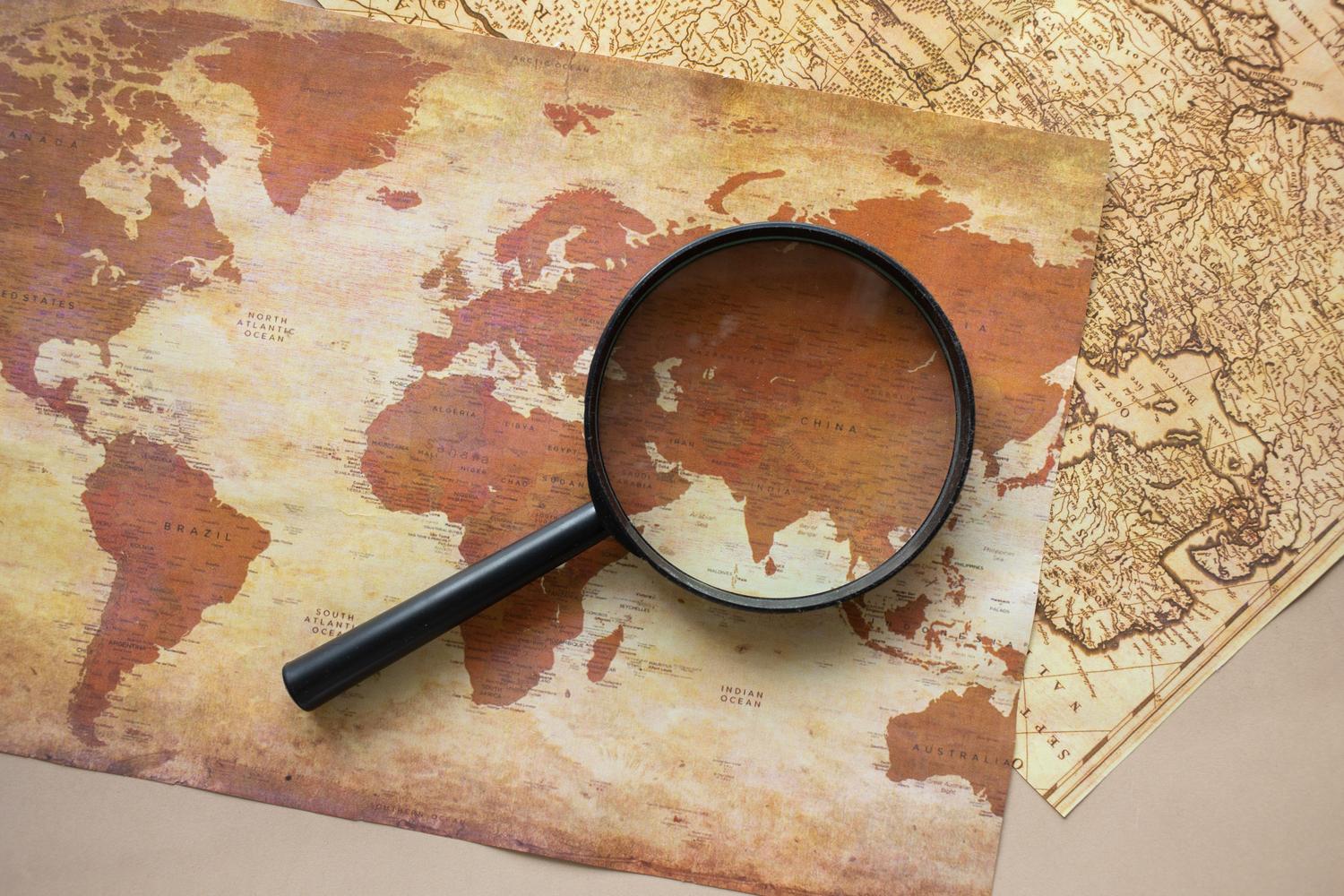
Studying remotely doesn't mean studying alone. Modern programs offer seminars with experts, personalized tutoring, and a methodology based on asynchronous learning , allowing access to content 24 hours a day. Many institutions even allow you to download materials for offline study, eliminating any technological barriers.
A key element is external internships . Whether curricular (mandatory for the degree) or extracurricular, placements in prestigious institutions, museums, or land-use planning companies are what truly allow you to put theoretical concepts into practice. This experience is the definitive bridge to the job market, providing added value to your CV that sets you apart from other candidates.
This comprehensive training transforms a passion for the past and the land into a versatile professional tool, enabling students to interpret the complexity of the contemporary world through mastery of history, geography, and art, thus ensuring a competitive profile in educational, cultural, and public management sectors.
