- Implementation of transversal and entrepreneurial skills to facilitate the transition from doctoral studies to industry and innovation.
- Regulation of thesis deadlines in Spain, differentiating between full-time dedication (maximum 4 years) and part-time dedication (up to 7 years).
- Evolution of the doctoral model towards a systemic approach that integrates the university, the company and public policies.

When we think about pursuing a PhD, most people imagine themselves locked away in a library or laboratory for years, searching for an answer to a very specific question. However, the concept of doctoral training is undergoing a profound transformation, ceasing to be an exclusive path for those who wish to dedicate themselves to university teaching and becoming a tool for innovation and competitiveness in various sectors.
The reality is that today's job market demands that researchers not only be experts in their field, but also adept at navigating the business world. That's why there's increasing talk of redefining doctoral programs , seeking a balance where academic rigor meets the real needs of society and the current economy, ensuring that talent doesn't stagnate in academia.

The new paradigm of doctoral talent and its leap into industry
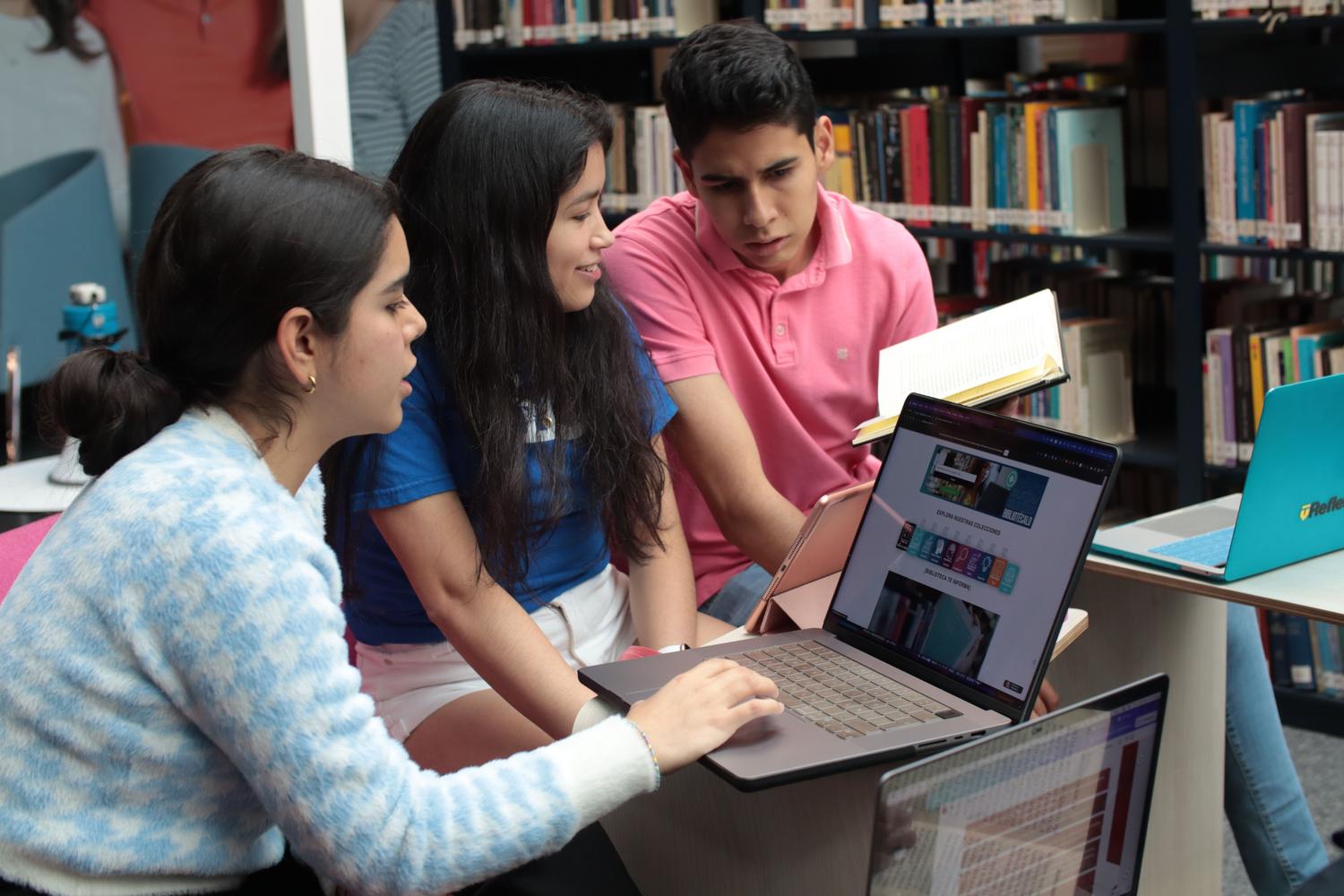
Historically, a doctorate was seen as a prerequisite, almost obligatory, step towards becoming a professor. But today, there is a pressing need for Europe to make better use of this human capital. Recent research, such as that conducted at the URV, has highlighted the fundamental importance of developing transversal and entrepreneurial skills so that PhDs can drive innovation in companies or launch their own projects.
To achieve this transition, several interesting frameworks have been proposed. On the one hand, the HIRES-PhD model focuses on soft skills such as leadership, communication skills, and adaptability to complex organizations. On the other hand, the DOCTRINES system focuses on the entrepreneurial aspect, helping researchers identify business opportunities and transform scientific findings into real market value.
It's not just about the doctor changing their mindset, but about adopting a systemic approach . This means that universities must adapt their programs, companies must learn to value doctoral profiles beyond their specialization, and public administrations must create policies that encourage SMEs to develop the technological capacity necessary to hire these professionals.

Regulatory aspects and organization of studies in Spain

If you're considering taking the leap, it's vital to understand how these studies are legally structured. In Spain, Royal Decree 99/2011 marked a turning point by separating doctoral studies from master's degrees , aligning with the Salzburg Principles and the European Higher Education Area (EHEA). Essentially, the aim is for the doctorate to be a stage of pure research and not an extension of master's level training.
- Full-time dedication: Studies typically last a maximum of four years. However, there are special cases, such as people with a disability rating of 33% or higher, who can extend this period to six years.
- Part-time dedication: For those who have work or family responsibilities that prevent them from dedicating themselves 100%, this option can be requested, extending the maximum deadline for submitting the thesis up to seven years.
An important detail is that it's possible to change your dedication status during the process. If you switch from full-time to part-time (or vice versa), a correction factor is applied to recalculate the thesis submission date, although this usually doesn't affect the process if the change occurs during the extension period.

The path to the highest university degree
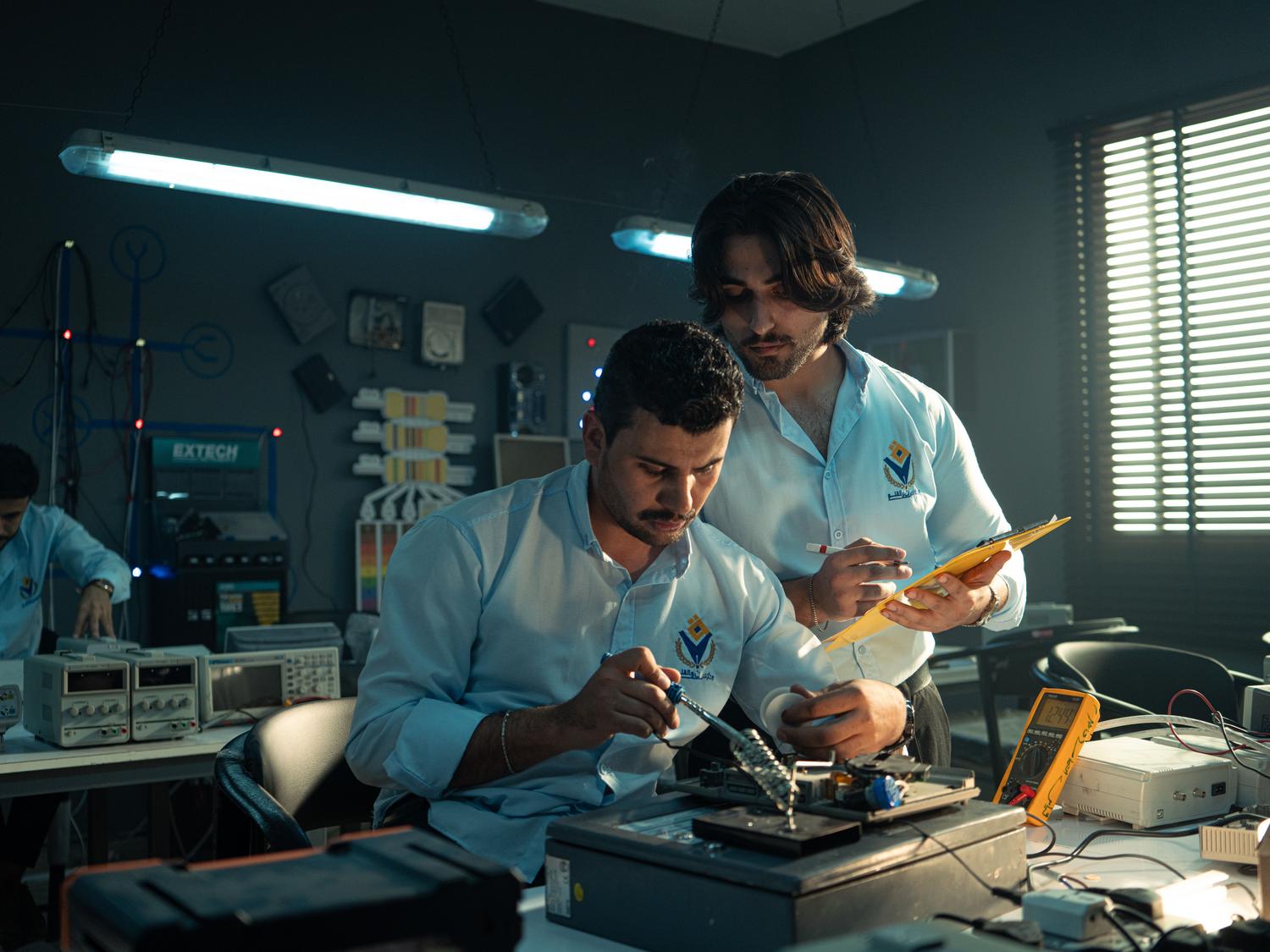
For those still in their undergraduate or master's programs, a doctorate represents the third cycle of university studies . It is the highest degree one can obtain and requires almost total dedication to delving into topics that have not been explored at that level of depth. To gain admission, an official undergraduate or master's degree is generally required , although in health sciences, access is possible through specialized programs such as the MIR or FIR.
It's crucial to understand that, even if your calling is research, the path is not without risks. Especially in the humanities, the system works very differently from STEM fields. Be wary of exaggerated promises of funding or consultants who guarantee admission, as the process is usually much more organic and based on the relationship with the supervisor.
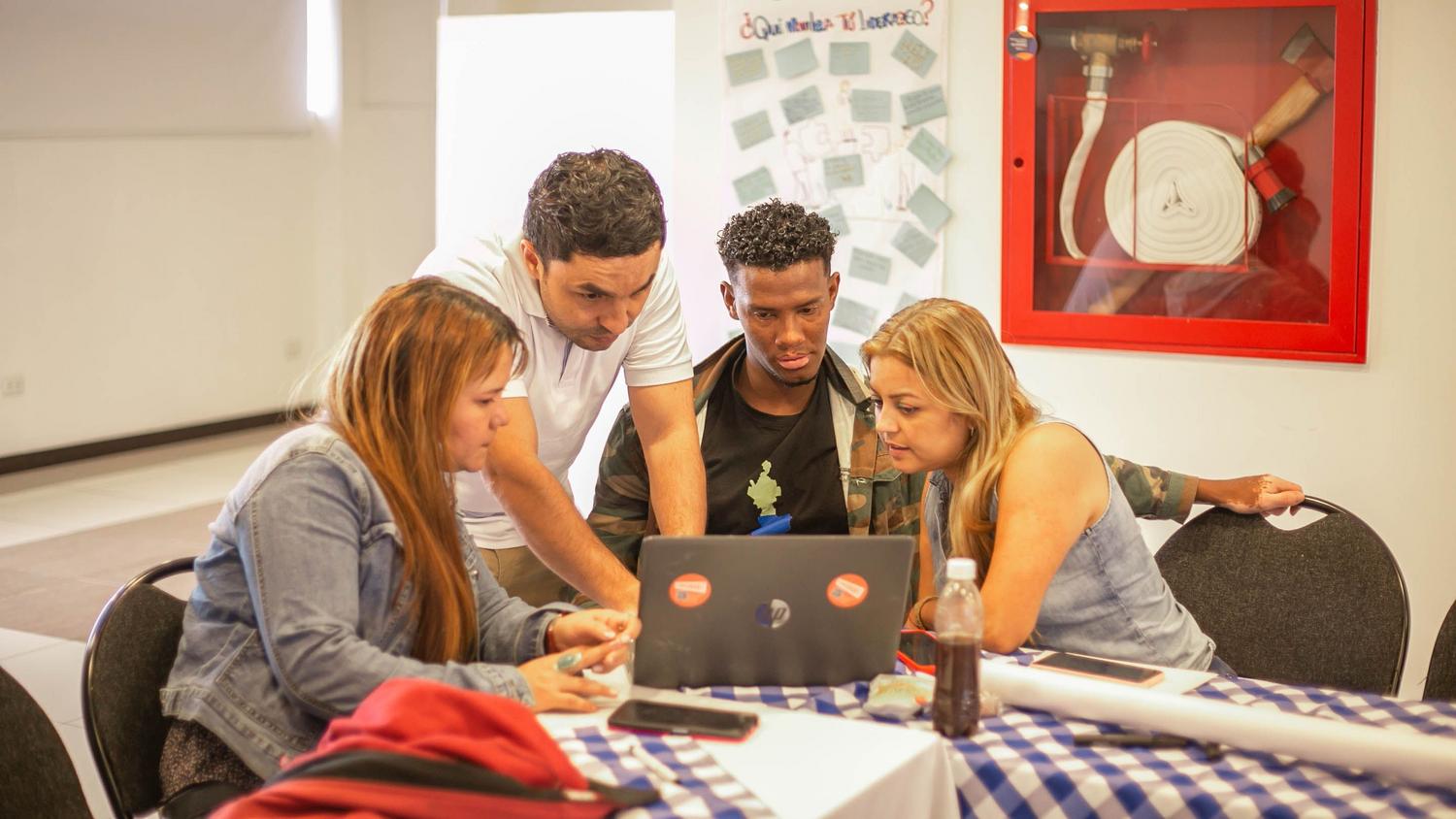
Modernizing these studies involves three key areas: structuring, institutionalization, and internationalization . The ultimate goal is for PhDs to be not just experts in a field, but resilient professionals capable of navigating between academia and the productive sector, transforming knowledge into a competitive advantage for the country.
All this evolution points to a model where doctoral training is fully integrated into the innovation ecosystem, combining the rigor of the thesis with the acquisition of practical skills and a flexible regulation that allows adapting the pace of study to personal life, ensuring that research talent finds a productive place both in the university and in the company.