- The sound engineer guarantees acoustic quality at all stages of a production, from pre-production to the final mix.
- Their duties range from technical setup and live control to creative design of sound effects and foley.
- There are specialized profiles such as the microphone operator, the ADR editor, and the sound designer, each with critical and distinct tasks.
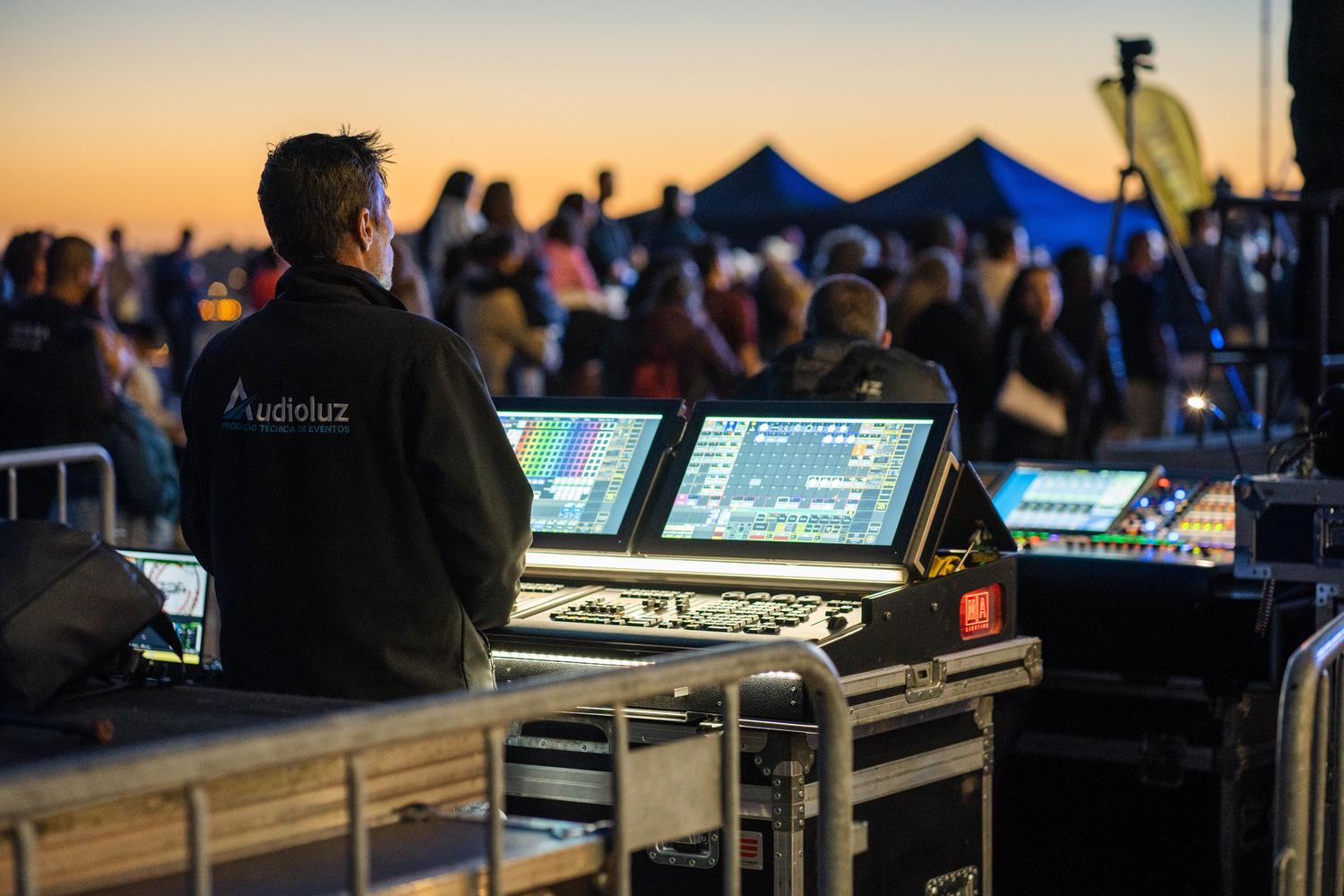
When we enjoy a concert that gives us goosebumps, a film with an immersive atmosphere, or even a podcast we listen to while having breakfast, we usually focus on what we see or the message. However, there's a professional working behind the scenes, almost always invisible, but whose impact is total: the sound engineer. Whether in a theater, a television studio, or a stadium, this figure is the key to ensuring that the audio isn't just audible, but has a professional quality that enhances the viewer's experience.
To speak of a sound engineer is to speak of someone who must master both the coldest of techniques and artistic sensibility. It's not just about connecting cables or raising a fader on the mixing console, but about shaping the emotional perception of a work through sound waves. From the moment a project is planned until the final file is delivered, the sound expert is there to correct, adjust, and create, ensuring that nothing is left to chance and that the result is flawless.

Main responsibilities and tasks of the sound expert
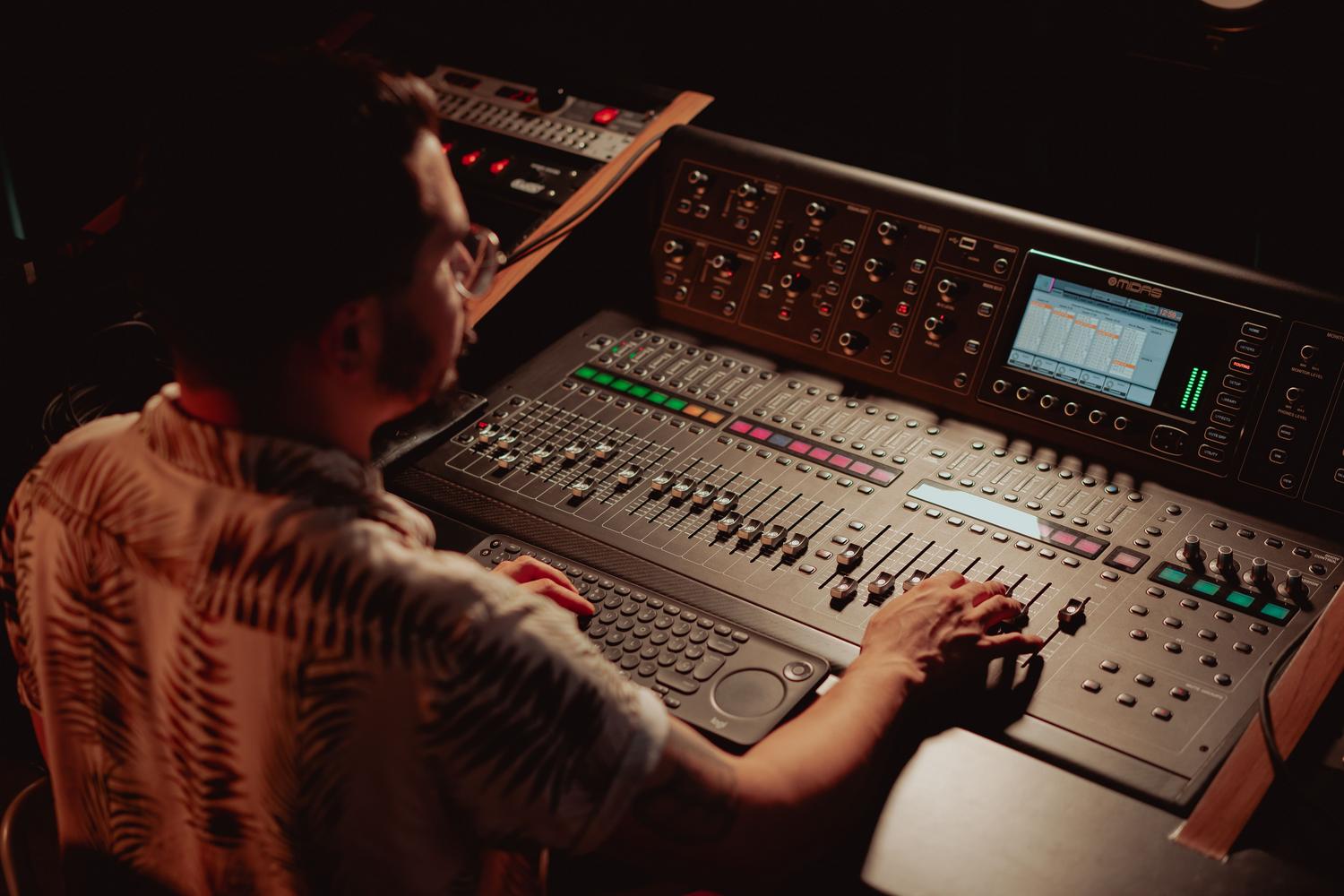
The work of a sound technician is extremely versatile and varies depending on the environment. One of the most demanding and fundamental tasks is the setup and maintenance of the equipment . This involves not only placing the speakers and microphones, but also organizing the cabling to prevent accidents and ensuring that each piece of equipment is optimized. A mistake in the initial setup can ruin an entire event, so meticulousness is essential.
At live events, their role shifts towards real-time control . Here, the sound engineer must play tracks, apply effects, and manage volume levels so the audience can hear everything clearly, preventing the sound from being annoying or distorted. They must also be able to react immediately to resolve unexpected technical issues , such as sudden noises or hardware failures, remaining calm under pressure.

The art of sound design and post-production
Beyond the technical aspects, there's a fascinating creative side: the creation of atmosphere. Sound design aims to amplify the viewer's emotions through the use of sound effects libraries or experimentation with everyday sounds. This is where Foley comes into play, recreating ambient sounds in a studio to lend complete realism to images that couldn't be captured during filming.
Once recording is complete, the post-production phase begins, where the work becomes meticulous and integrates with digital video editing . The technician synchronizes the dialogue with the music and effects, eliminating unwanted noise using room tones. The use of ADR (Automated Dialogue Replacement) is also common; this technique involves mixing the studio-recorded voice with the original to clean the audio of ambient interference.
Specializations within the sound sector
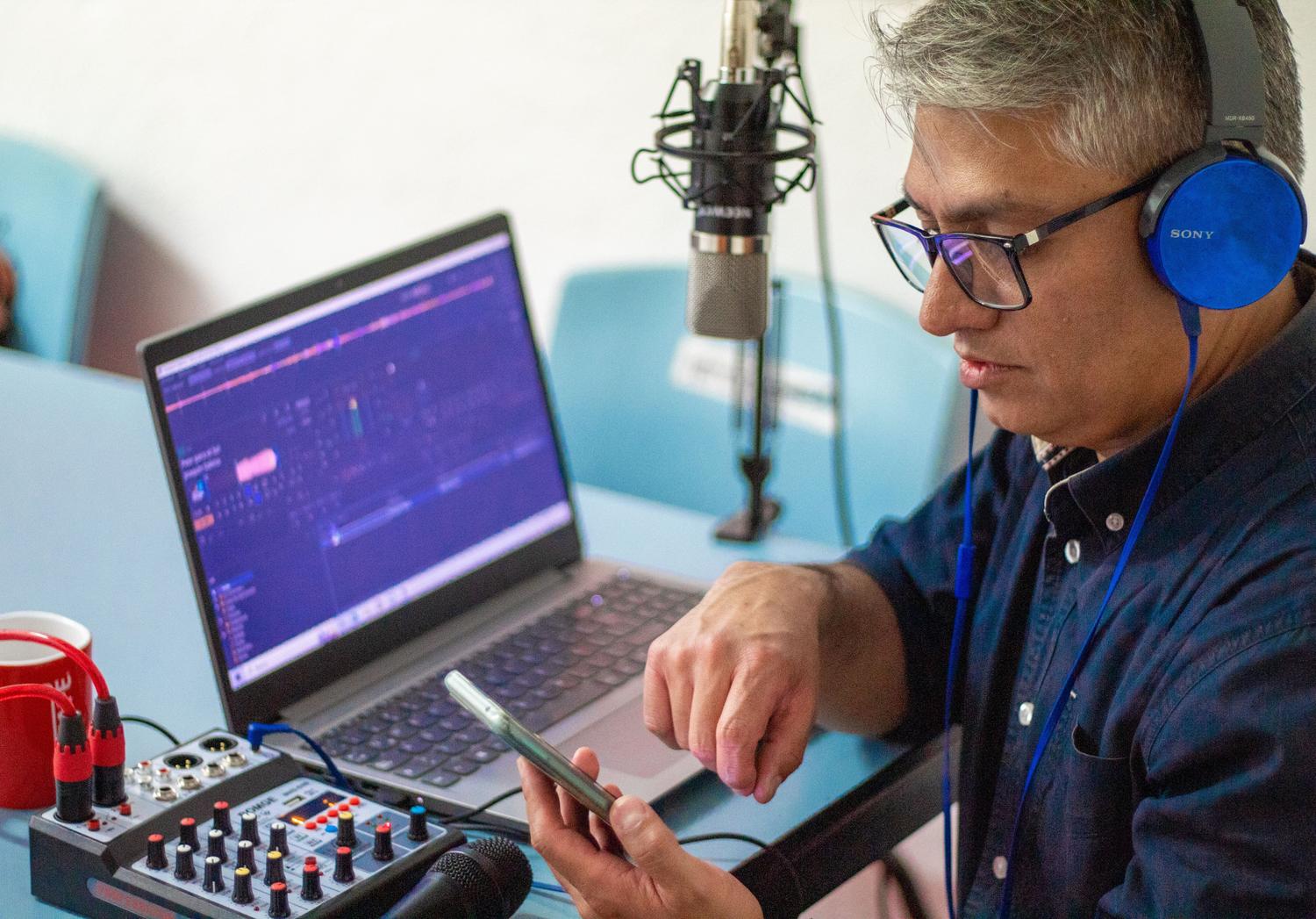
Given the complexity of current productions, the role of the sound engineer has fragmented into various specialties to achieve excellence:
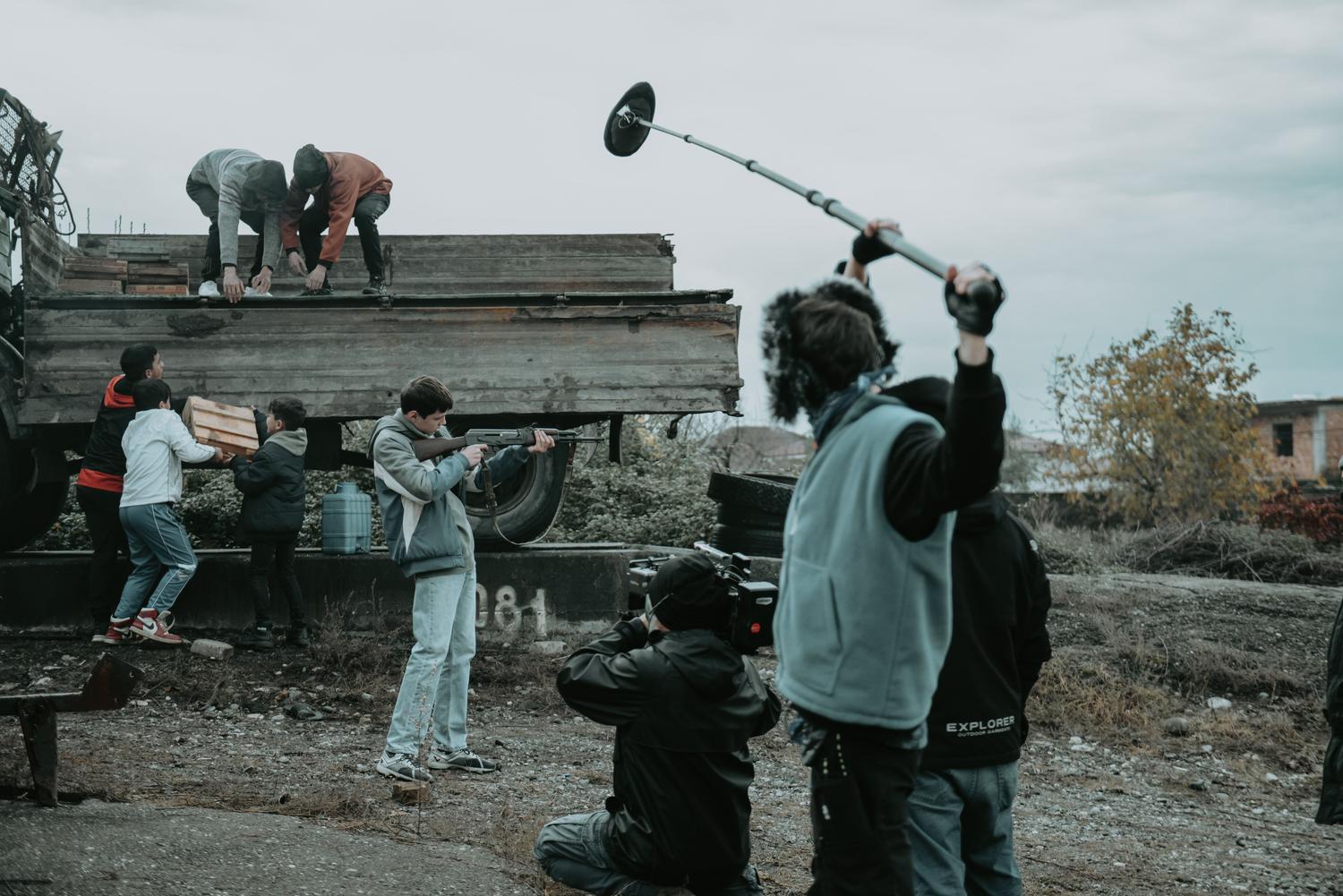
- Microphonist (or boom operator): He is the one who operates the microphone arm on set to capture the voice with the greatest possible purity.
- Dialogue editor: It focuses on polishing the voices in post-production, ensuring that every word is crisp and well-framed.
- Sound designer: It merges technology and art to create immersive sound worlds, whether for film, video games or advertising.
- Sound Engineer: He is specifically in charge of the technical recording of musicians and the final mixing of the stems (tracks divided by elements).

Requirements and skills to succeed in the profession

To pursue this career, simply liking music isn't enough; a solid foundation is essential. Generally, specialized technical training is required , such as sound engineering or music production, along with expert proficiency in professional editing software. However, degrees aren't everything; practical experience in the field is what truly teaches you how to handle the realities of a live performance.
Regarding soft skills, excellent communication skills are vital , as sound engineers must constantly coordinate with producers, directors, and artists, especially when working on a television set . Flexibility is another key point, since one day they might be working in a nightclub and the next outdoors in the rain. Finally, knowledge of legal regulations is essential , particularly concerning permitted decibel limits and the management of copyright licenses such as those from SGAE (the Spanish Society of Authors and Publishers).
The sound engineer's job is a constant balancing act between technical precision and creative intuition, making them indispensable at every stage of the production chain. From the physical deployment of equipment and cable management to the sophisticated mixing of voices and effects in the studio, their goal is always the same: to achieve a transparent and exciting listening experience that serves the narrative purpose of the work.