- Integration of healthcare coaching to improve patient autonomy and the clinical-care relationship.
- Importance of accredited certifications and quality seals for the professional practice of business coaching.
- Use of adaptive digital learning methodologies and multidisciplinary specializations in leadership.

Today, the healthcare sector requires not only impeccable technical excellence but also strong human and communication skills to optimize clinical outcomes. In this context, specialized language training and coaching have become key tools for healthcare organizations to remain competitive in a globalized and demanding environment.
It's not just about learning to speak another language or knowing how to lead a team, but about implementing an adaptive learning methodology and professional support that transforms the organizational culture. Integrating these disciplines allows healthcare staff to improve their relationship with patients and enhance their operational efficiency, making a difference in the quality of care.

Healthcare Coaching as a Driver of Change

Coaching applied to the healthcare field is a meticulously designed academic specialization that enables healthcare professionals to integrate supportive skills into their daily practice. The goal is to strengthen the doctor-patient relationship , shifting the focus towards genuine patient autonomy, where motivation and personal responsibility are the cornerstones of recovery.
For this process to be effective, it's crucial to understand that coaching is not therapy. While therapy often looks to the past for healing, coaching focuses on developing current resources to achieve future goals. It draws on principles such as Deci and Ryan's Self-Determination Theory, aiming to help clients discover their own internal motivators and values.
Technical Keys for Health Support
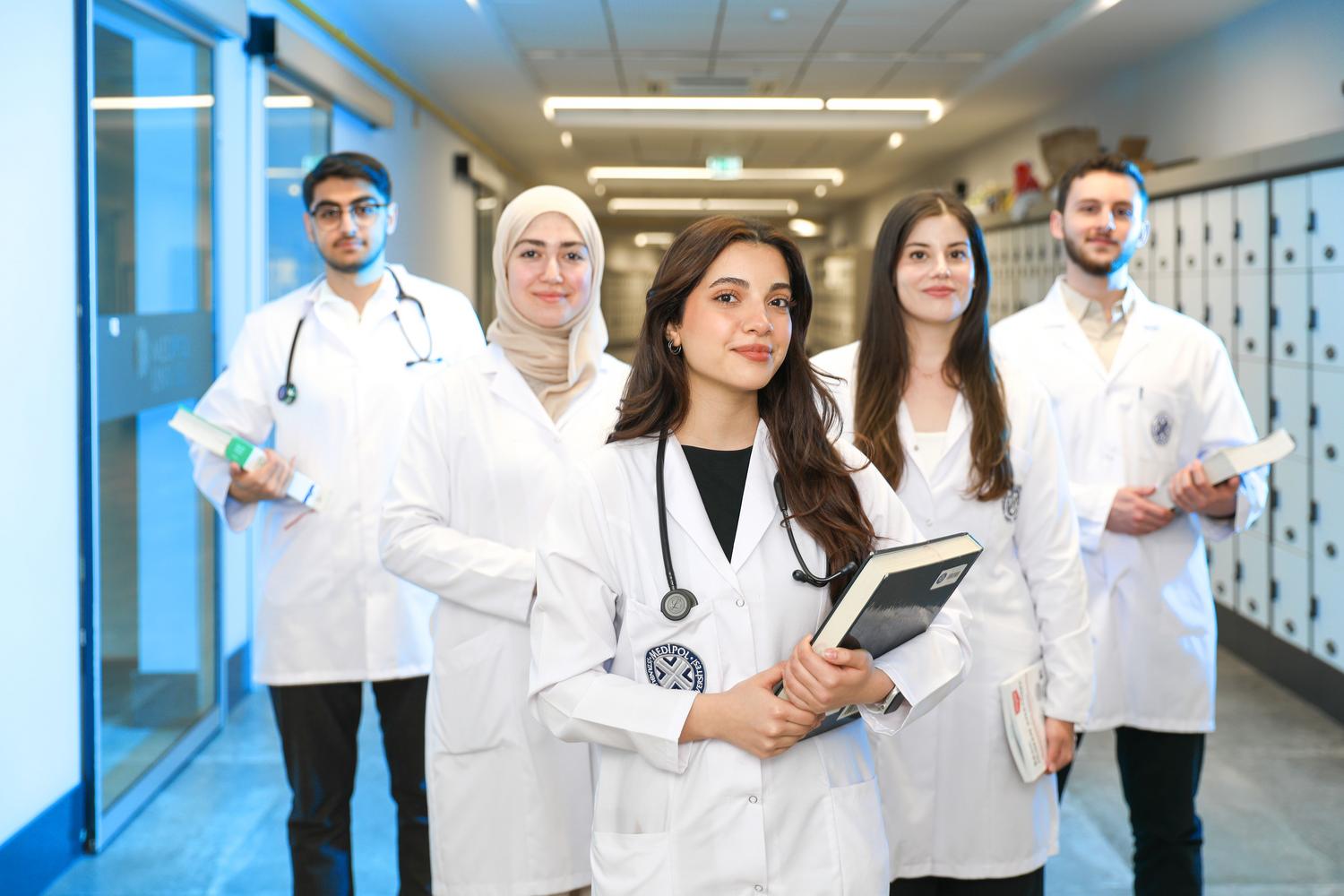
To implement a real change process, there are specific action mechanisms that the professional must master:
- Developing empowering relationships: Create a bond with the patient that fosters their personal growth.
- Promoting self-motivation: Working with the individual's values so that change comes from within.
- Trust buildingCelebrate small, everyday milestones to generate positive awareness.
- Managing the fear of change: Accompany the patient in overcoming errors through self-compassion and understanding of the process.
Furthermore, it is vital to use Prochaska's Transtheoretical Model , which allows us to identify what phase of change the person is in in order to apply the most appropriate starting strategy, always relying on motivational interviewing to correctly differentiate between specific goals and objectives.
Vocational Training and Quality Certifications
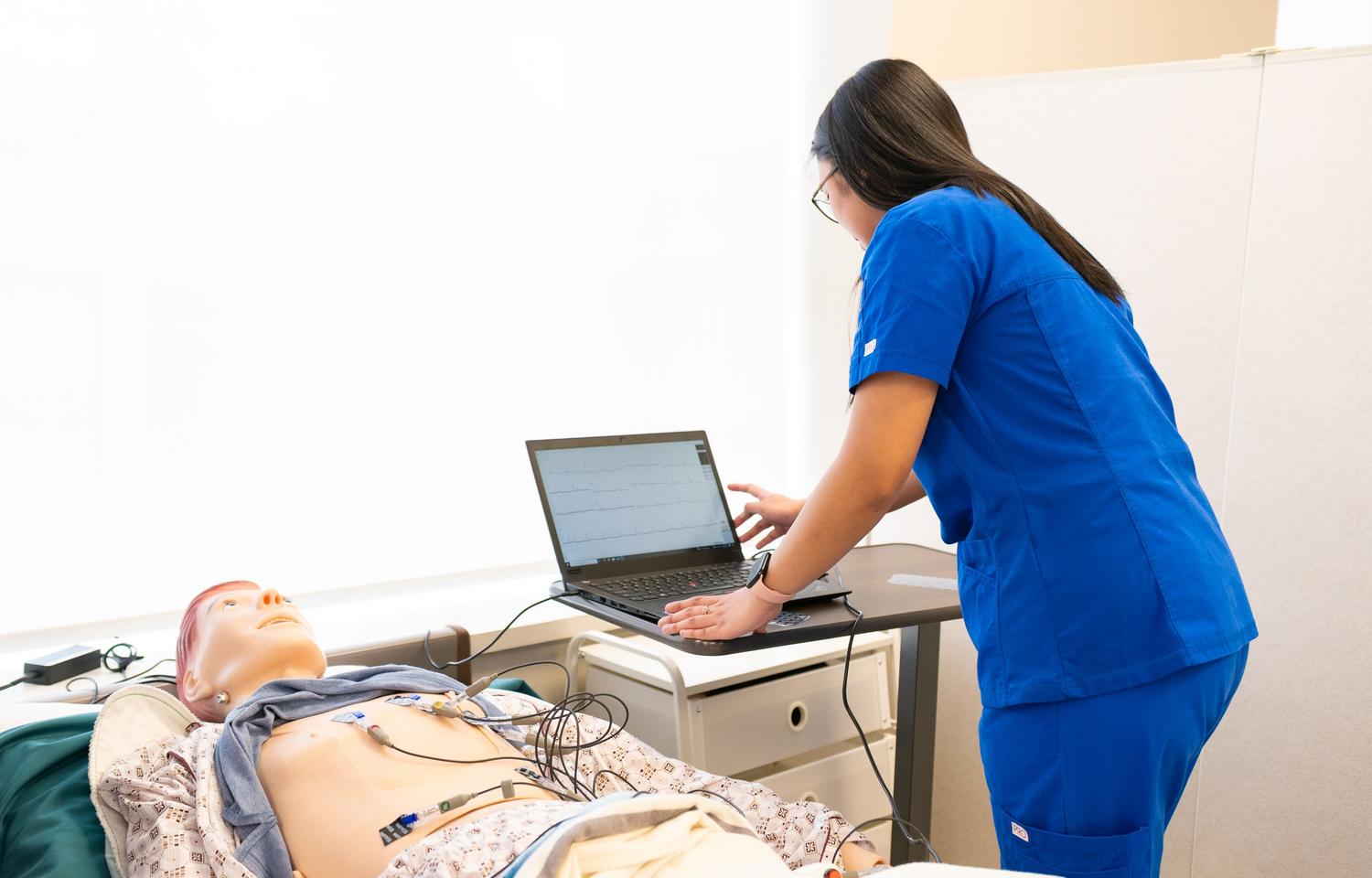
When we talk about training in business and organizational coaching, it's crucial to have quality certifications that validate the knowledge. For example, affiliation with entities like the International Association of Coaching and Mentoring (AICM) guarantees that the instructors and course content meet global standards of excellence.
Obtaining an accredited certification is not just a matter of prestige; it opens doors to job opportunities as an in-house coach in companies and provides access to high-quality networking opportunities. Certified professionals can benefit from visibility in specialized databases, geolocation of their services, and the support of a code of ethics and professional conduct that protects the practice of the profession in the corporate environment.
Innovation in Digital Learning and Specializations

Digitalization has made training much more flexible. Currently, there are innovative platforms with adaptive content and user marketing strategies that facilitate digital learning, allowing professionals to manage their time from home without sacrificing tutorial support.
Beyond healthcare coaching, the range of specializations is very broad, allowing students to diversify their skills in areas such as:
- Educational and sports coaching.
- Team coaching and business leadership.
- Specific approaches in family, child, youth or nutritional coaching.
This versatility, combined with recognition for educational excellence and innovation , ensures that the professional is prepared to lead complex organizations with an international and multidisciplinary vision.
The convergence of language proficiency, digital skills, and specialized coaching creates a professional profile capable of transforming healthcare. By combining academic rigor with emotional and communication management tools , healthcare organizations not only improve their internal operations but also dramatically enhance the well-being and recovery of their patients.