- Child and adolescent psychiatry specifically addresses mental, emotional, and neurodevelopmental disorders from birth to the end of adolescence.
- The evaluation integrates clinical interview, psychometric tests, neuroimaging, genetics and family and school context to achieve an accurate differential diagnosis.
- The treatment combines psychotherapy, psychopharmacology, family support and educational resources, through tiered devices such as consultation, day hospital, admission or home hospitalization.
- Specialized units and programs (ASD, eating disorders, neuropsychology, early childhood) allow for intensive multidisciplinary care adapted to the needs of each child.
Child and adolescent psychiatry has become one of the most sensitive and essential areas of modern medicine for mental health care . We are increasingly aware that children and adolescents are not simply miniature adults, but rather individuals in full development who may experience emotional, behavioral, or neurodevelopmental problems that require specific attention, specialized training, and dedicated support services.
This specialty focuses on the prevention, assessment, diagnosis, and treatment of mental and behavioral disorders that appear from the first months of life through the end of adolescence, integrating biological, psychological, familial, educational, and social factors. Throughout this article, you will find a clear and organized explanation of what child and adolescent psychiatry is, what disorders it addresses, how they are assessed, what treatments are available, and how the services are structured.
What is child and adolescent psychiatry?
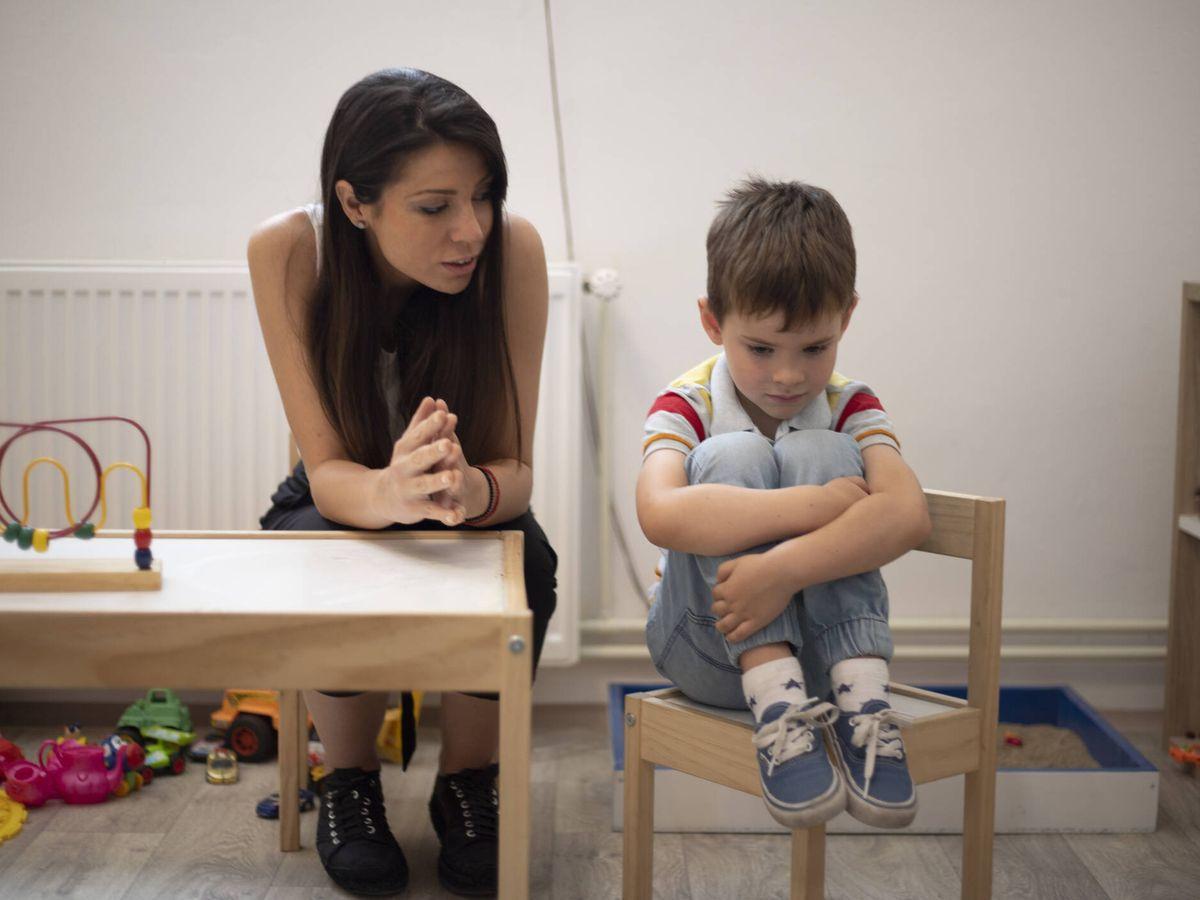
Child and adolescent psychiatry is the branch of medicine that focuses on mental, emotional, and behavioral disorders in children and adolescents, from infancy to adolescence. Its goal is to understand how brain development, personality formation, life experiences, and the family and school environment intertwine in order to detect problems early and treat them as effectively and safely as possible.
International definitions, such as that of the American Academy of Child and Adolescent Psychiatry (AACAP) , describe a child and adolescent psychiatrist as a physician who specializes in the diagnosis and treatment of disorders of thought, emotions, and behavior that affect children, adolescents, and their families. This approach always involves considering the developmental age, stages of maturation, and the context in which the child lives.
Pediatric psychiatry is part of a broader umbrella of child and adolescent mental health, which also includes clinical psychologists, speech therapists, occupational therapists, physical therapists, social workers, educators, and other healthcare professionals . They all collaborate in a coordinated manner to address everything from mild problems to severe or complex psychiatric conditions.
When working with minors, this specialty must have a thorough understanding of the specific cognitive, linguistic, emotional, and social developmental characteristics of each stage. A developmental tantrum at age 3 is not the same as a depressive episode at age 15; hence the importance of highly specific training and age-appropriate diagnostic criteria.
Foundations and principles of child and adolescent psychiatry
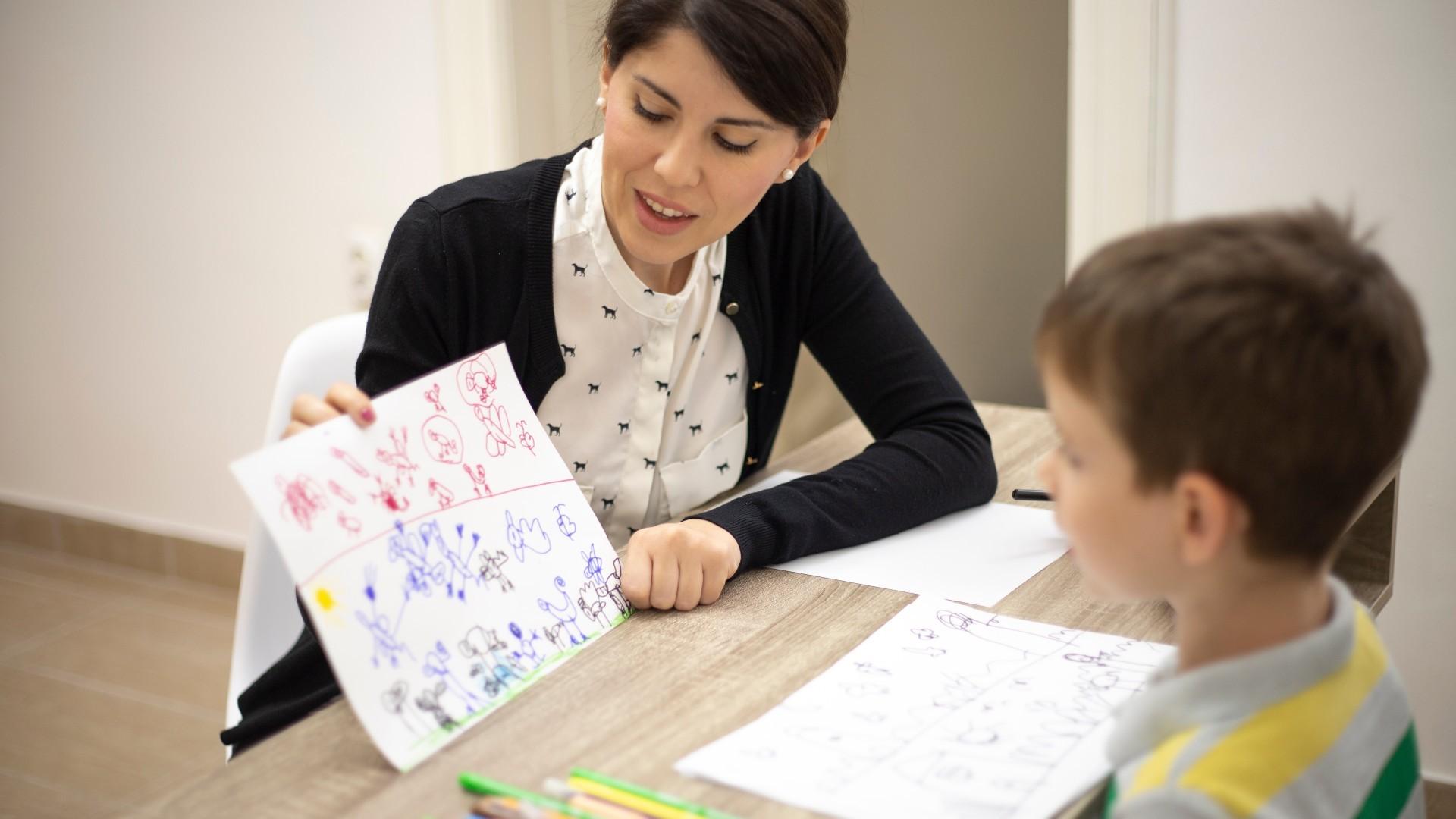
The pillars of child and adolescent psychiatry can be summarized in three main areas: clinical practice, training, and research . Daily clinical practice allows for the detection of problems, the alleviation of suffering, and support for families; training ensures that professionals acquire the necessary skills; and research provides scientific evidence that guides therapeutic decisions and the design of services.
Historically, interest in child psychopathology has grown as our understanding of typical and atypical brain and behavioral development has improved. Advances in neuroscience, genetics, developmental psychology, and social sciences have changed the concept of mental health in childhood, broadening the focus from isolated symptoms to lifelong developmental trajectories.
In this context, the evidence-based approach to psychiatry emerged , which implies that diagnostic and therapeutic interventions are supported by rigorous studies and clinical guidelines. The use of international classifications such as the DSM-5-TR and the ICD-11 allows for a common language, facilitates research, and standardizes clinical practice, although it is always adapted to the development of the child or adolescent.
Ethics plays a central role, given that this field involves working with a particularly vulnerable population. The ethical and legal principles of child and adolescent psychiatry include respect for confidentiality, the need to obtain informed consent from parents or guardians and, whenever possible, the assent of the minor, protection against abuse or neglect, and the obligation to act when there is a risk to the child's life or well-being.
Furthermore, the development of specialized mental health care networks for children and adolescents relies on a community-based and multidisciplinary approach. Coordination between primary care, mental health services, pediatrics, social services, and schools is key to providing comprehensive and continuous care, tailored to the specific needs of each family.
Assessment and diagnosis in children and adolescents
Assessment in child and adolescent psychiatry is not limited to simply assigning a diagnosis; it is a comprehensive process that integrates clinical interviews, developmental assessments, psychometric testing, school data, and family context . All of this is combined to understand what is happening, why the problem has arisen, and how it can be addressed.
In adolescents, the encounter between the professional and the patient focuses on creating a trusting therapeutic relationship , respecting their privacy while also involving the family. Emotional symptoms, substance use, peer relationships, academic performance, technology use , and potential risk behaviors (self-harm, suicide attempts, violence, etc.) are explored .
In younger children, assessment presents an additional challenge. They often cannot express their feelings verbally, and symptoms manifest as behavioral problems, language delays, difficulties playing, or sleep and eating disturbances . The role of parents, caregivers, and teachers is crucial in providing objective information about daily life.
In certain cases, complementary tests such as neuroimaging (CT scans, MRIs, functional studies) or genetic studies are used . These resources help to assess whether there are structural brain abnormalities, genetic syndromes, or associated medical conditions that may explain or worsen the psychiatric symptoms, both in clinical practice and in research.
The assessment also uses standardized and non-standardized instruments: questionnaires for parents and teachers, symptom scales, intelligence tests, attention and memory tests, developmental scales, etc. The goal is to make an accurate differential diagnosis , distinguish between neurodevelopmental disorders, emotional conditions, and adjustment problems, and plan the most appropriate treatment for each case.
Neurodevelopmental disorders
Neurodevelopmental disorders are a major focus of child and adolescent psychiatry. They encompass conditions that originate in the early stages of development and affect communication, social interaction, learning, behavior, and overall functioning . They are characterized by an early onset and a typically chronic course, although significant improvement is possible with appropriate interventions.
Autism spectrum disorder (ASD) is one of the most well-known conditions. It manifests through difficulties in communication and social interaction, repetitive behavior patterns or restricted interests , and in many cases, sensory hypersensitivity or hyposensitivity. Early detection, especially before the age of 6, is a healthcare priority, and for this reason, there are specific interdisciplinary units for diagnosis and early intervention.
Attention deficit hyperactivity disorder (ADHD) is characterized by inattention, hyperactivity, and impulsivity that interfere with school performance, family life, and peer relationships. In addition to clinical diagnosis, neuropsychological assessments, coordination with the school, and long-term follow-up are usually conducted, as its manifestations can change throughout adolescence.
Learning disorders (such as dyslexia, dyscalculia, or writing disorders) are assessed from a clinical and educational perspective, analyzing reading and writing skills, calculation, reasoning, and academic performance , and differentiating them from difficulties due to emotional or educational factors. Differential diagnosis is essential for planning school support and specific interventions.
This group also includes tic disorders and Tourette syndrome , oppositional defiant disorder, conduct disorders, intellectual disability, and other developmental problems. Each presents a particular profile of motor symptoms, oppositional behavior, aggression, or adaptive difficulties that require combined medical, psychological, educational, and family approaches.
Therapeutic recommendations for neurodevelopmental disorders range from family and school psychoeducation, behavioral interventions, speech therapy, and occupational therapy , to the use of medication in selected situations (for example, in ADHD or severe tics). The key is teamwork and continuous monitoring, adjusting the plan as the child progresses.
Emotional and anxiety disorders
Emotional disorders in childhood and adolescence include depression, bipolar disorder, anxiety disorders, obsessive-compulsive disorder, post-traumatic stress disorder, and other affective conditions . Although many of these diagnoses also exist in adults, in children they may present with different and often more subtle symptoms.
Childhood and adolescent depression can manifest as irritability, apathy, poor school performance, social isolation, physical symptoms (stomach aches, headaches), and changes in sleep and eating patterns , rather than as clearly expressed sadness. Bipolar disorder, although less common, requires careful evaluation of episodes of euphoria, extreme irritability, decreased need for sleep, and risky behaviors.
Anxiety disorders range from specific phobias and separation anxiety to panic disorder, generalized anxiety disorder, and social phobia . In children, intense fears of school, sleeping alone, or parental illness are common, as are excessive worry about performance and extreme perfectionism.
Obsessive-compulsive disorder (OCD) is characterized by obsessions (intrusive, repetitive, and distressing thoughts) and compulsions (rituals or actions that the child feels compelled to perform) , which seriously interfere with their daily life. Differential diagnosis must distinguish it from tics, developmental repetitive behaviors, or features of autism spectrum disorder.
Post-traumatic stress disorder (PTSD) develops after experiencing or witnessing potentially traumatic events (abuse, violence, serious accidents, disasters, etc.). Symptoms include flashbacks, nightmares, avoidance of memories, hypervigilance, and mood swings . Assessment should delve into the context, the chronicity of the trauma, and protective factors within the family.
A relatively recent diagnosis in classifications is disruptive mood dysregulation disorder, which presents with chronic and intense irritability, frequent and disproportionate outbursts of anger , and severe difficulties in emotional control. Its management combines psychotherapeutic interventions, family support, and, in some cases, pharmacological treatment.
Suicide, self-harm, and other problems in adolescence
Adolescence is marked by an increased risk of self-harm, suicide attempts, and substance abuse . These behaviors are often just the tip of the iceberg of deep emotional distress, frequently linked to depression, anxiety disorders, traumatic experiences, bullying, or intense family conflicts.
Non-suicidal self-harm (cutting, burning, hitting oneself against objects) can function as a maladaptive way of coping with distress or an attempt to find momentary relief. Even when the adolescent denies any intention to die, it is always considered an indicator of severity that requires specialized evaluation and follow-up.
Psychotic disorders with onset in adolescence, including schizophrenia and other psychotic conditions, have a significant impact on life trajectory. They are often characterized by delusions, hallucinations, social withdrawal, behavioral changes, academic decline, and thought disturbances . Early detection and intensive treatment can significantly improve the prognosis.
Personality disorders at this stage are approached with caution, as personality is still developing . However, patterns of emotional instability, impulsivity, chaotic relationships, or distrustful traits may appear, warranting early intervention to mitigate their progression to more serious conditions in adulthood.
Today's adolescence also presents new challenges related to the misuse of technology, social media, video games, and compulsive digital consumption . These problems are sometimes associated with sleep disorders, isolation, online harassment, or a decline in academic performance, and require specific assessment and treatment programs.
The family environment is a key factor in the mental health of children and adolescents. Abuse, physical or emotional mistreatment, neglect, abandonment, and intense parental conflict are risk factors for psychopathology that can cause or worsen existing disorders.
Parental interference, where conflicts between parents (for example, in contentious separations) are transferred to the children, increases the likelihood of emotional, behavioral, and attachment problems . Intervention in these cases typically involves working with the entire family, mediation, and coordination with social and legal services when necessary.
At the same time, the family is a powerful source of protection and support . That's why many child and adolescent psychiatry programs include parent training and counseling, group psychoeducation, and family therapy. The goal is to increase parenting skills, improve communication, and reduce interaction patterns that perpetuate distress.
School and the social environment are also determining factors. Problems such as bullying, social exclusion, frequent school changes, or contexts of poverty and violence can trigger emotional and behavioral difficulties. Child and adolescent mental health services are increasingly working in coordination with schools and community resources.
Mental health disorders associated with physical problems
In childhood and adolescence, physical and mental health often intersect. Eating disorders, sleep disorders, and psychosomatic disorders are clear examples of this mind-body connection.
Eating disorders, such as anorexia nervosa, bulimia nervosa, or binge eating disorder, can begin at an early age and have a serious impact on growth, nutrition, and social and academic life. Specialized units offer multimodal treatments that combine medical, psychological, family, and educational interventions, with varying levels of intensity (outpatient, day hospital, inpatient, home hospitalization).
Sleep disorders (insomnia, parasomnias, delayed sleep phase syndrome, frequent awakenings, difficulty falling asleep) can be both a symptom of other problems and an additional cause of irritability, lack of concentration, and poor performance. Treatment recommendations combine sleep hygiene, cognitive behavioral therapy, and, in some cases, carefully evaluated medication.
Psychosomatic disorders represent the intersection of the physical and the emotional. Chronic pain, headaches, digestive problems, or dermatological symptoms can be significantly influenced by psychological factors, stress, and emotional difficulties . Consultation between child psychiatry, pediatrics, and other medical specialties is key to comprehensive care.
Therapeutic approach: psychotherapy, medication, and family work
Child and adolescent psychiatric treatment is designed on an individual basis, taking into account the diagnosis, age, context, and family preferences. It typically combines psychotherapy, psychopharmacological treatment, educational interventions, and family support in varying proportions.
Regarding psychotherapy, multiple evidence-based approaches are used : child psychoanalysis and therapeutic play , which allow children to express their conflicts symbolically; cognitive-behavioral therapy (CBT), which helps to identify and modify maladaptive thoughts and behaviors; cognitive restructuring; music therapy; and systemic therapy, which focuses on family dynamics.
Specific psychotherapies for children can be individual, family or group , and cover very wide age ranges: from early intervention programs for 0-3 years, joint parent-baby psychotherapy, to group therapies for adolescents with emotional or behavioral problems.
The use of medication in children and adolescents follows very strict principles of safety and efficacy. Professionals rely on evidence-based psychopharmacology , adjusting doses according to weight and age, evaluating potential side effects, and clearly explaining the expected benefits to the family. Medications used include, among others, antidepressants, mood stabilizers, antipsychotics, stimulants and non-stimulants for ADHD, and anxiolytics in very specific contexts.
Parent training and counseling are essential components of almost any treatment. Many services offer psychoeducational programs for families of children with ADHD, ASD, eating disorders, anxiety, depression, or behavioral disorders. These programs teach strategies for managing behaviors and emotions , improving communication, strengthening skills, and increasing understanding of the disorder.
Organization of child and adolescent mental health services
Child and adolescent psychiatry services are structured at different levels of care, from low-intensity outpatient consultations to full hospitalization facilities , including intermediate resources such as day hospitals or home hospitalization.
Outpatient units provide assessment, diagnosis and treatment for children aged 0 to 17 , including psychiatry and psychology consultations, pharmacological follow-up, individual, family and group psychotherapy, early intervention, clinical child neuropsychology and specific programs such as Intensive Family Outpatient Treatment (TAIF) or Group and Family Outpatient Care Modules (MAG).
Day hospitals are intensive community-based facilities, typically operating for about six hours a day, several days a week , that offer psychiatric, psychological, nursing, occupational therapy, and educational support. They are primarily aimed at children with moderate to severe mental health conditions who do not require full hospitalization, patients being discharged from the hospital, or young children with serious difficulties and available family support.
Short-term hospitalization for children and adolescents is reserved for severe or complex acute conditions that cannot be managed in less intensive settings. The primary goal is medical and psychopathological stabilization , thorough observation, and diagnostic evaluation, aiming to reintegrate the child or adolescent into their environment as soon as possible, with close coordination with outpatient care and the school.
An innovative approach is psychiatric hospitalization at home, which offers hospital-level care in the patient's own home, provided their clinical condition and family environment allow it. This model reduces the impact of hospital admission, improves the generalization of changes, and increases family involvement in treatment, while maintaining a high level of care.
In addition, these services typically include liaison psychiatry and interconsultation programs , attending to children and adolescents admitted to other specialties (neurology, oncology, surgery, etc.) with associated or emerging mental health conditions. This integrates emotional and behavioral aspects into the care of complex physical illnesses.
Specific clinical units and programs
To offer more tailored care, many hospitals and centers have specialized units in specific areas of child and adolescent psychopathology. One of the most developed is the Eating Disorders Unit (UTCA) , with differentiated programs for inpatient hospitalization, home hospitalization, day hospitalization, and outpatient treatment, always with strong family involvement and school coordination.
The Pediatric Clinical Neuropsychology Unit focuses on assessing the impact of neurological, neurosurgical, oncological, and psychiatric conditions on cognitive, behavioral, social, and emotional development. Its functions include monitoring changes following pharmacological or surgical treatments, counseling families, and collaborating in the differential diagnosis of neurodevelopmental disorders.
Another key area is neurodevelopmental psychopathology, with specialized clinics for ASD, ADHD, anxiety and mood disorders, psychotic disorders, and general psychiatry . Within this framework, programs such as UNiTEA (Interdisciplinary ASD Unit) are developed, offering early diagnosis, group psychoeducation for families, intensive early intervention, coordination with the education system, and projects to humanize neurodiversity care within the hospital.
Early childhood programs (e.g., 0-6 years) are organized around comprehensive developmental assessments, early intervention, multidisciplinary support, and collaborative work with families . All of this is geared towards detecting and addressing early signs of risk in attachment, language, emotional regulation, or behavior.
Finally, liaison psychology units and other specialized services work with children and adolescents suffering from chronic or complex medical conditions (cystic fibrosis, inflammatory bowel diseases, rare dermatological syndromes, chronic pain, infant feeding disorders, etc.), to support the emotional impact of the illness and facilitate family adaptation.
Child and adolescent psychiatry integrates biological, psychological, and social knowledge to understand and treat the suffering of children and their families, relying on a network of care facilities, specific programs, and evidence-based treatments. Thanks to early detection, comprehensive assessment, collaboration with schools and social services, and close work with families, continuous care pathways can be offered that improve quality of life, reduce the risk of chronicity, and promote the fullest possible development throughout life.

Table of Contents
- 1 What is child and adolescent psychiatry?
- 2 Foundations and principles of child and adolescent psychiatry
- 3 Assessment and diagnosis in children and adolescents
- 4 Neurodevelopmental disorders
- 5 Emotional and anxiety disorders
- 6 Suicide, self-harm, and other problems in adolescence
- 7 Mental health, family and social context
- 8 Mental health disorders associated with physical problems
- 9 Therapeutic approach: psychotherapy, medication, and family work
- 10 Organization of child and adolescent mental health services
- 11 Specific clinical units and programs