- The process is divided into four biological stages: hydrolysis, acidogenesis, acetogenesis, and methanogenesis.
- Two main products are obtained: biogas (renewable energy) and digestate (organic fertilizer).
- The legality of digestate depends on whether it meets EU criteria to be a product or whether it is classified as waste.
- It contributes to the reduction of greenhouse gases by capturing methane from organic waste.
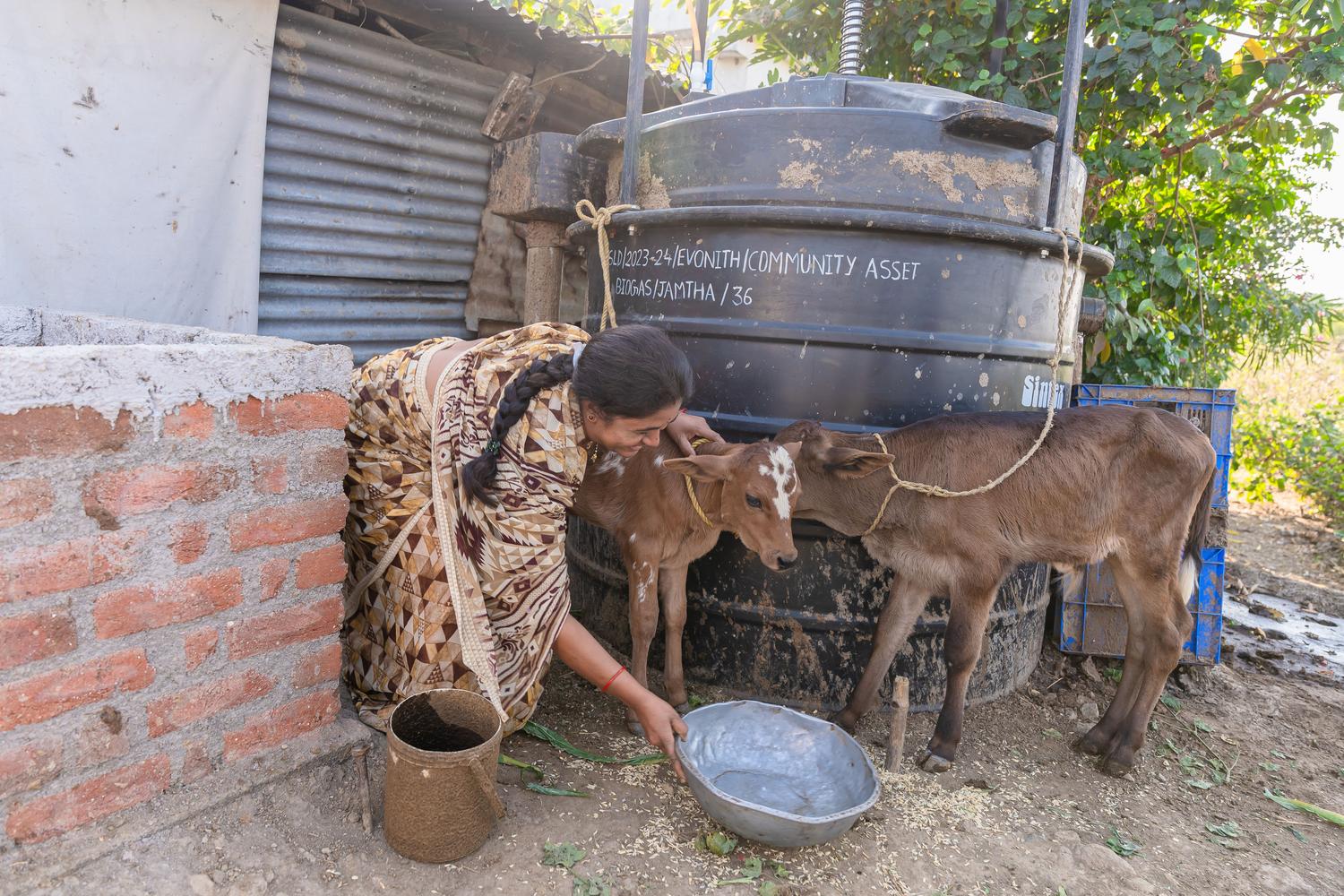
You've probably heard of "swamp gas" or wondered what happens to the food scraps and manure that accumulate in the countryside. Well, all of this is part of a fascinating natural phenomenon called anaerobic digestion, a biological process that, although it seems like magic, is pure chemistry and microbiology working at full speed to transform organic matter into clean energy and top-quality fertilizer.
Although we currently manage it in industrial plants through biomethanization for economic gain, this process occurs spontaneously in oil fields or stagnant waters. Essentially, it involves allowing a legion of microorganisms to feast on the biomass in an environment where oxygen is scarce , resulting in a renewable fuel and a highly nutritious residue for the soil.

The four stages of the biological process
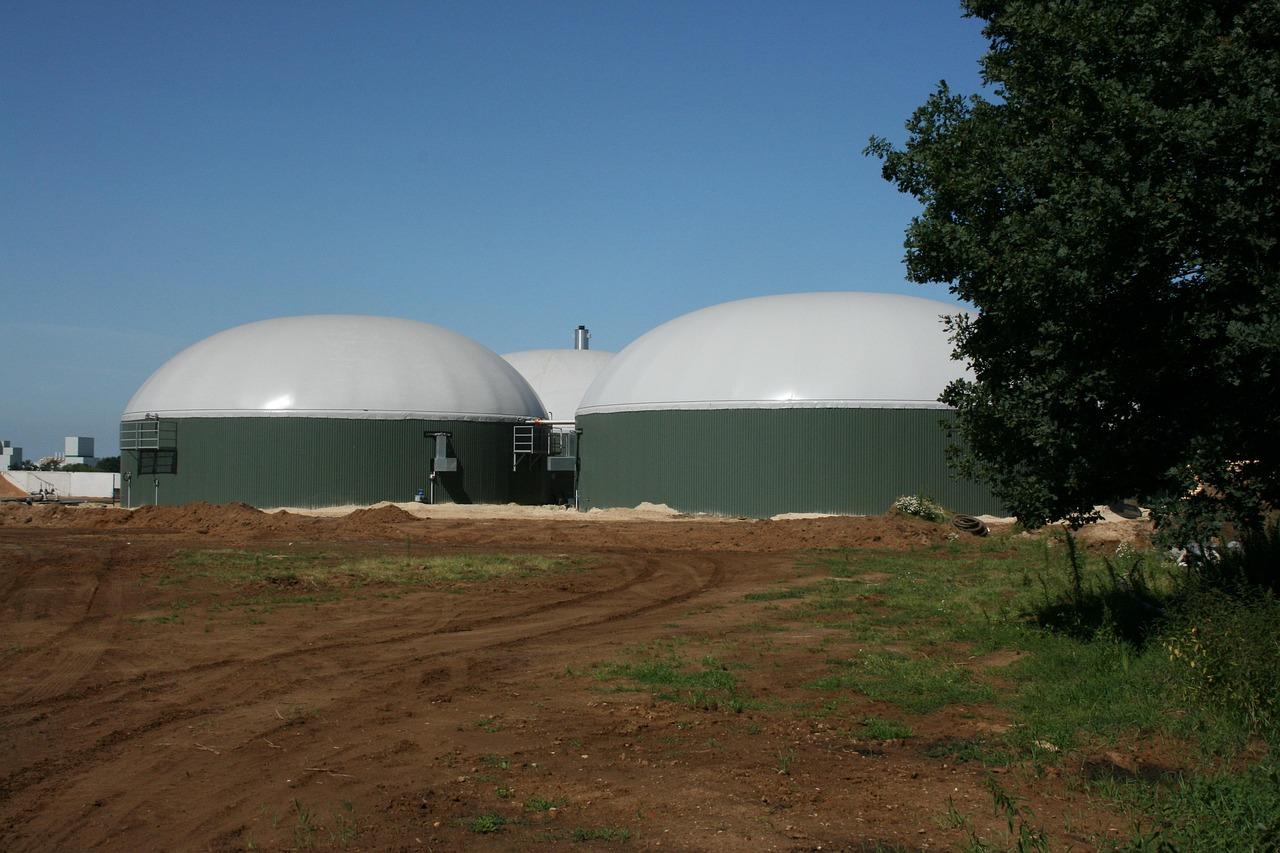
For organic matter to turn into gas, it has to go through a kind of biological "assembly line" made up of four critical phases:
- Hydrolysis: This is the first step, where the most complex macromolecules (such as proteins, lipids, and polysaccharides) are broken down into simpler pieces like sugars or alcohols. Here, the exoenzymes of fermentative bacteria act, which, being facultative, They're not picky about oxygen..
- Acidogenesis: In this phase, the acidogenic bacteria take those simple molecules and convert them into short-chain volatile fatty acids, hydrogen, and carbon dioxide.
- Acetogenesis: Here the process continues to be refined, transforming the previous products mainly into acetic acid, CO2 and hydrogen.
- Methanogenesis: The master seal. Methanogenic bacteria, which are strict anaerobes and very sensitive to temperature changes, transform all of the above into methane and carbon dioxide.
Operation and practical applications
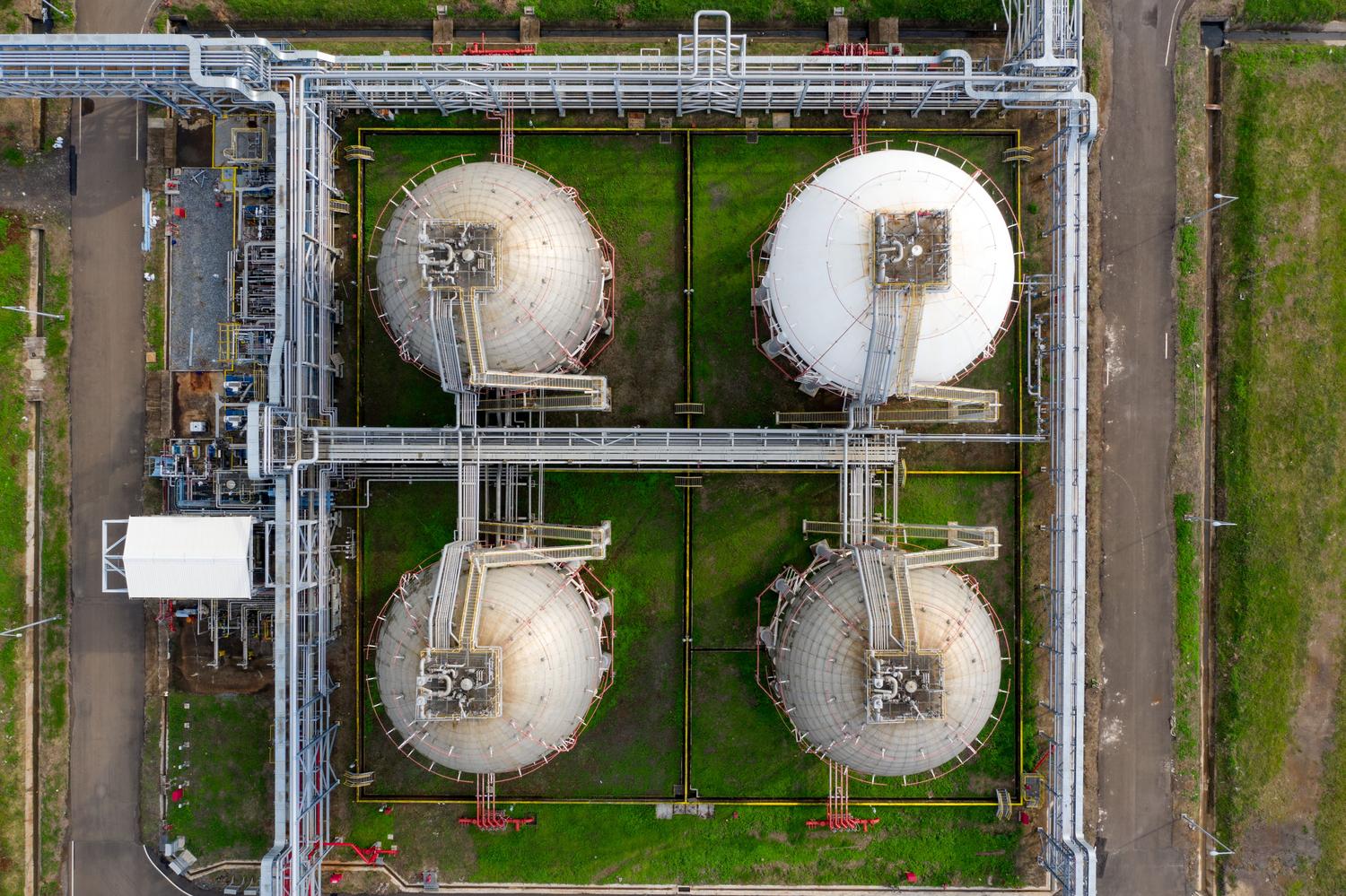
When we want to control this process in a biodigester, an aerobic phase occurs first, where microorganisms consume the available oxygen. Once the medium becomes airtight and devoid of air, anaerobic bacteria come into play. This system is incredibly efficient, as it utilizes 90% of the energy available in the mixture, allocating only 10% to bacterial growth.
This method is the ideal solution for managing waste from the livestock industry (slurry and manure), urban waste, and surplus from the agri-food industry. From this process, we obtain two flagship products:
- Biogas: A mixture typically composed of 70% methane and 30% carbon dioxide, with traces of hydrogen sulfide. It can be used in boilers or electric motors. If it undergoes an upgrading process, we obtain... biomethane, which is virtually identical to natural gas fossil but renewable.
- The Digest: It is the resulting liquid or pasty residue. Being rich in nitrogen, phosphorus, and potassium, it functions as a fast-absorbing organic fertilizer which helps to recover soils damaged by intensive cultivation.
The legal framework and classification of the digestate
It's not all biology; there's paperwork involved too. In Spain, anaerobic digestion is a treatment operation coded as R0302 under Law 7/2022. Depending on what is being digested, such as animal by-products not suitable for human consumption (ABP), specific administrative authorizations are required to operate legally.
A key point is whether digestate is considered a product or waste. To be considered an EU fertilizer product , it must comply with Regulation (EU) 2019/1009 (specifically category CMC5). If it does not meet these standards, it is classified as waste under the relevant EWC code and must be managed properly by an authorized waste management operator.
It is essential not to confuse digestate with biostabilized material . The latter comes from mechanical-biological treatment plants for mixed waste and, unlike digestate, cannot be considered a fertilizer or product, remaining strictly classified as waste under EWC code 19 06 99.
Environmental and economic advantages
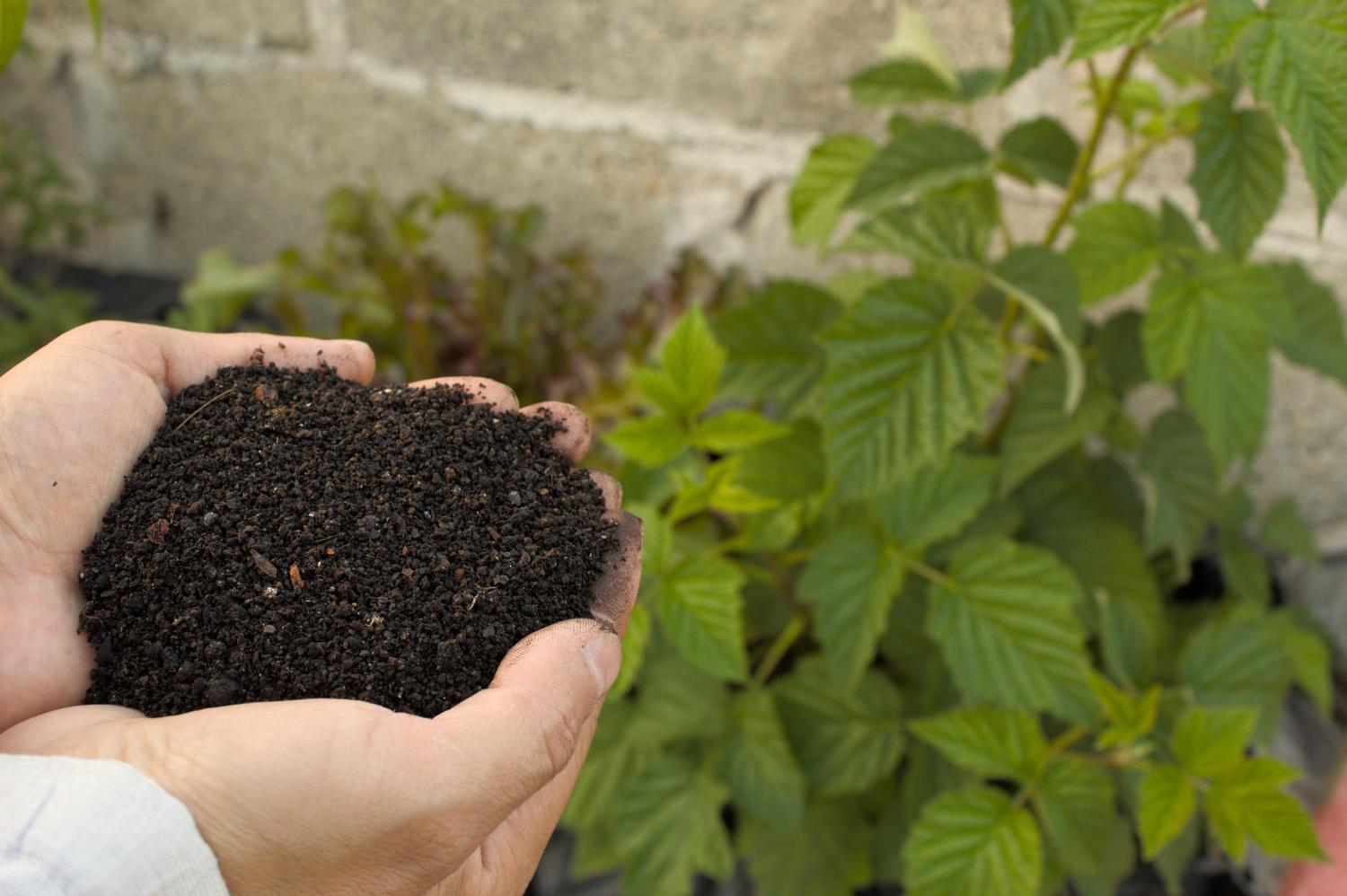
Implementing these plants not only helps comply with regulations, but also has a tremendous positive impact. By capturing methane that would normally escape into the atmosphere, we drastically reduce greenhouse gases . Furthermore, the nitrogen in digestate is much more readily available to plants than that in chemical fertilizers, which accelerates crop growth and prevents erosion of fertile soils.
Biomethanization represents a golden opportunity to close the carbon cycle, turning a problem (waste) into an energy and agricultural solution that allows companies to save operating costs and improve their ecological footprint in a sustainable way.
This comprehensive biological system allows organic matter to undergo phases of hydrolysis, acidogenesis, acetogenesis, and methanogenesis to generate biogas and digestate. While the former serves as a versatile fuel or injectable biomethane, the latter acts as a powerful organic fertilizer, provided that legal and environmental regulations are met to prevent it from being treated simply as waste.