- Online music education offers total flexibility in terms of time and location, allowing you to combine training with your work life.
- There are specialized itineraries in composition, arrangement and musical production using advanced technological tools.
- This approach democratizes access to internationally renowned teachers and significantly reduces economic costs compared to conservatories.
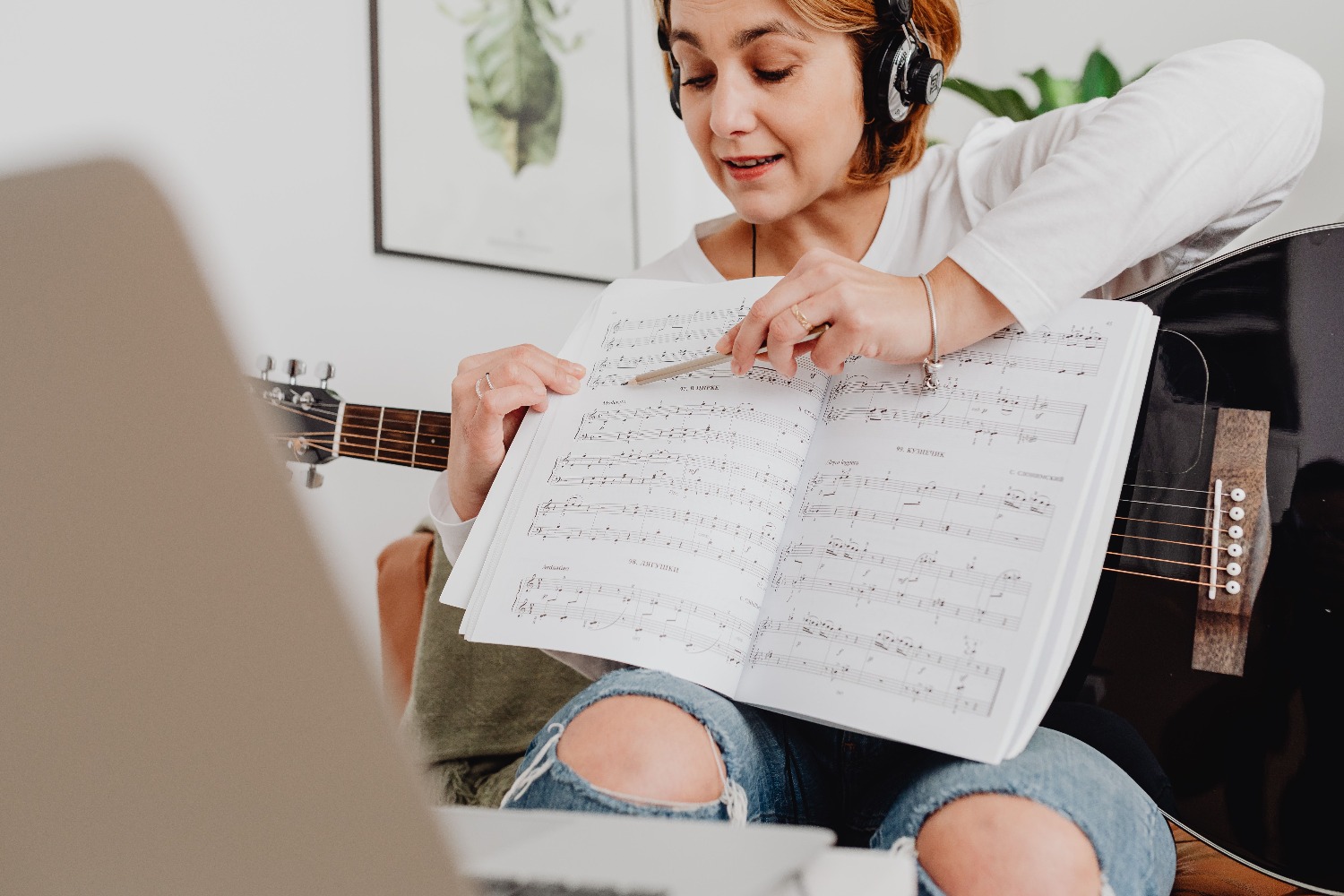
The way we learn solfège, harmony, or composition has undergone a complete transformation thanks to technology. You no longer need to move to a capital city or adhere to the rigid schedules of a traditional conservatory to achieve top-level training; now, studying music remotely is a completely viable and effective option for anyone.
This digital revolution has opened doors for thousands of students who, whether due to work or living in remote areas, previously lacked access to an arts education. The key lies in the fact that musical learning no longer depends on a physical classroom, but rather on digital resources and an internet connection , allowing a passion for art to flourish without geographical barriers.
Benefits of online music training
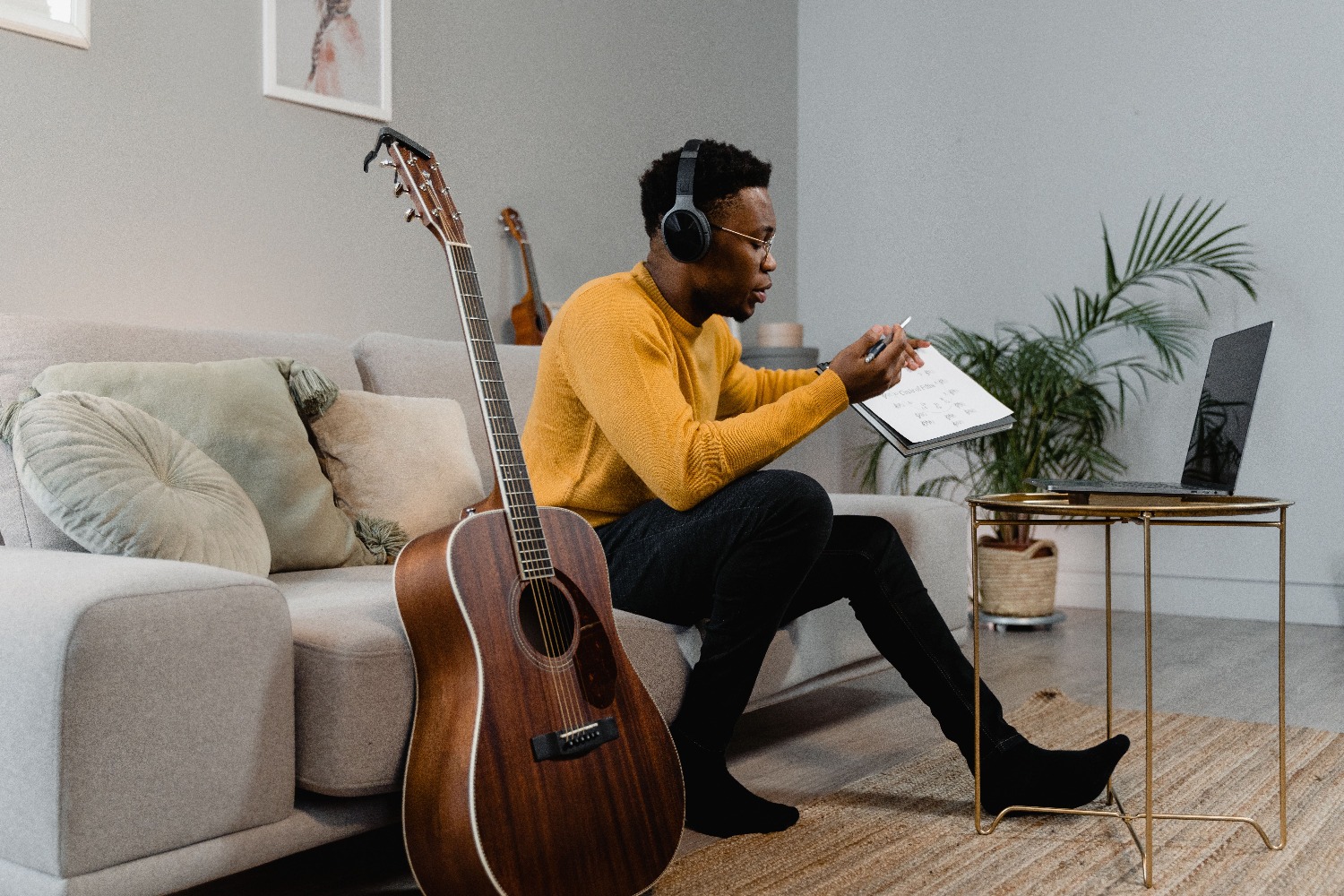
One of the biggest advantages is undoubtedly time management. With on-demand content, you can progress at your own pace, which is a relief if you have a busy schedule. Some prefer to dedicate a few hours a week to keep the hobby alive, while others commit intensively to become professionals in the field.
Furthermore, it's quite affordable. Online academies are usually much cheaper than in-person ones, sometimes costing a fraction of the usual price. This allows more people to access teachers with extensive teaching experience who would otherwise be inaccessible due to distance.
Available methodologies and specializations
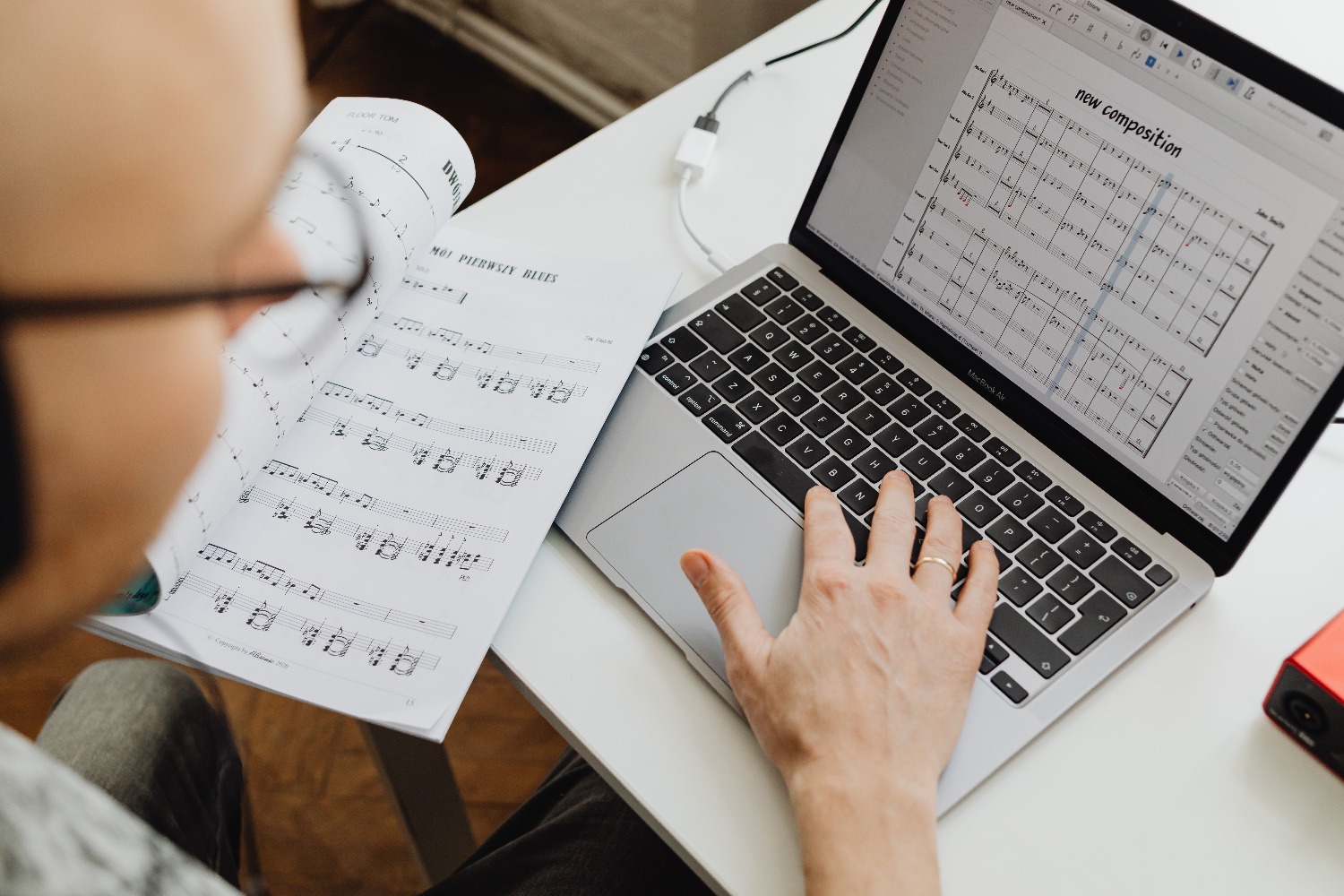
Current programs go beyond theory, integrating practical experience through the use of editing software and interactive learning platforms. Many institutions offer clear specialization pathways, particularly emphasizing music production and arrangement , essential skills for anyone wanting to work in today's industry.
The study dynamic typically combines synchronous activities, such as live classes to answer questions in real time, and asynchronous activities, where students manage their own materials. This approach fosters autonomous and collaborative learning , utilizing virtual labs and cutting-edge technological tools to create original works.
Online music for young people and beginners
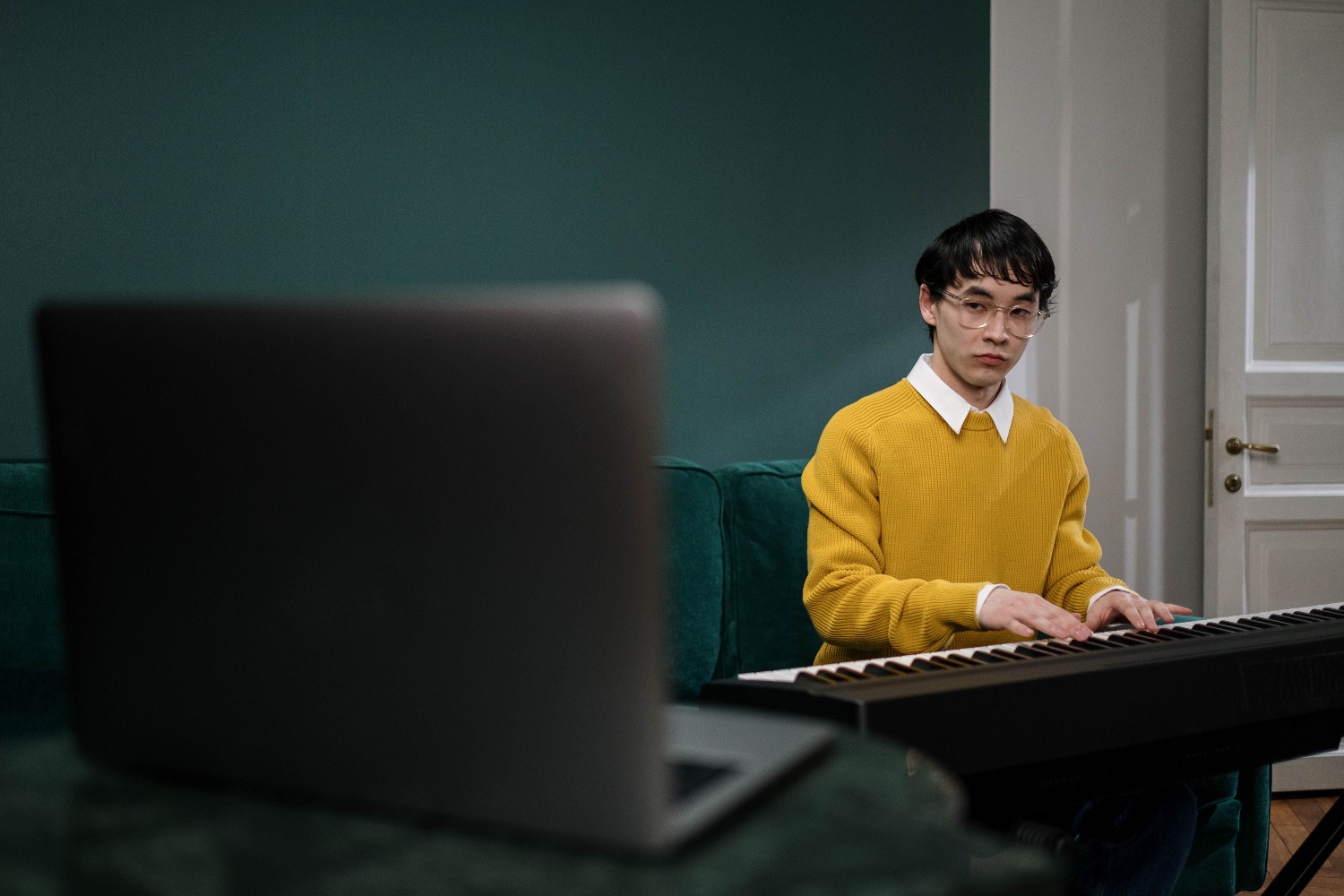
For parents wondering if this format is suitable for their teenagers, the answer is that it's often an excellent alternative. Young people today handle technology with astonishing ease, which facilitates a fluid and motivating exchange of knowledge. These platforms often serve as the perfect springboard for entering demanding conservatories, providing a solid and diverse foundation.
Even if you're not pursuing a professional career, studying music online is ideal for those who want to treat art as a serious hobby. It allows you to develop your own musical projects and experiment with different genres without the pressure of a demanding academic curriculum.
Basic technical requirements
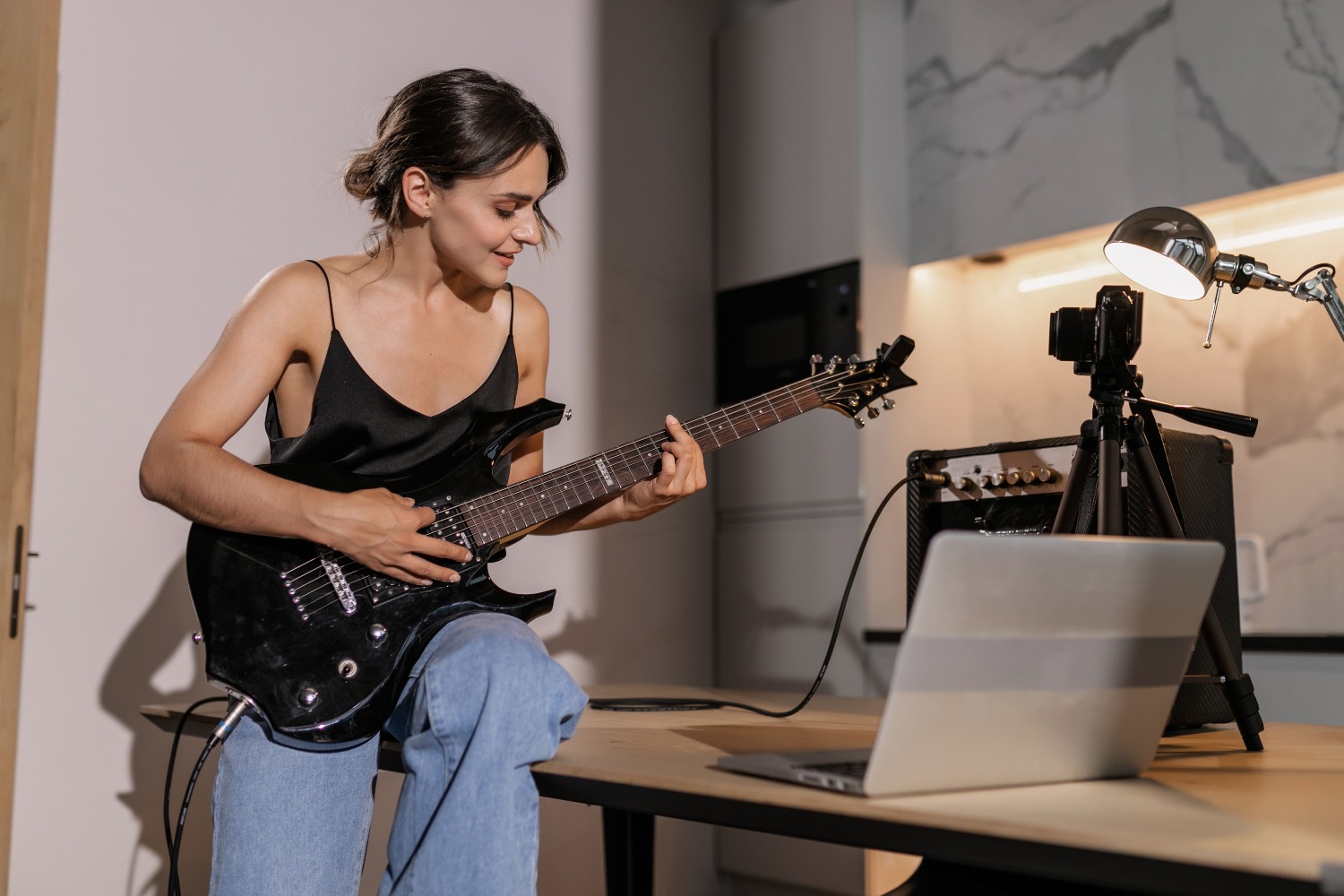
To begin this journey, you don't need a professional home recording studio. The essential thing is to have an electronic device, whether it's a computer or a mobile phone, and of course, the instrument you wish to master. While a mobile phone can work, having a computer greatly facilitates the use of specialized software and the management of educational content.
The democratization of music education means that today anyone, regardless of their location in the world, can transform their talent into a professional skill. The combination of flexibility, cost savings, and access to experts makes distance learning the smartest way to develop artistically in the digital age.
FAQ
What materials do I need to start studying music online?
It is essential to have a musical instrument and a device with an internet connection, preferably a computer to better manage the digital tools.
Is it possible to obtain a professional qualification by studying remotely?
There are university and academic programs that offer degrees and specializations in music production and composition with official validity.
Is online music education recommended for teenagers?
It is a very good option because it takes advantage of young people's technological skills and serves as preparation for accessing traditional conservatories.
How does online music differ from live music in terms of cost?
Distance learning is usually considerably cheaper, eliminating travel expenses and offering more affordable monthly fees.
Can I choose my own study schedule?
Most of these training programs allow you to consume the content on demand, adapting study hours to the student's personal availability.
What specializations can be studied in virtual mode?
Students can focus on various lines of study, the most common being music production, composition, and music analysis.
