What is the Day of Non-Violence and Peace?
The International Day of Non-Violence and Peace is observed every January 30th and is an essential date on the world calendar. This commemoration was established by the United Nations General Assembly in 2007 to promote a culture of peace and non-violence, especially among young people. The date was chosen to honor Mahatma Gandhi , an icon of the peaceful struggle for human rights and social justice.
The figure of Mahatma Gandhi
Gandhi, known as the father of the Indian nation , was a leader who advocated passive resistance to oppression. His philosophy of Satyagraha —a form of nonviolent resistance—left a profound mark on civil rights movements worldwide. His legacy continues to inspire generations striving for a more just and peaceful world.
Violence remains a critical challenge in many contemporary societies. This day is an opportunity to reflect on the root causes of violence and promote peaceful methods of conflict resolution. A culture of peace encompasses not only the absence of war but also the promotion of social justice , respect for human rights, and the dignity of every individual.
Violence in a Global Context
Violence can manifest itself in many ways, from armed conflict in war zones to domestic violence and online harassment. According to data from the World Health Organization , millions of people are affected by violence every year, underscoring the urgent need for a shift in cultural and social practices. Raising awareness about the harmful effects of violence is crucial for building a better future.
Peace Education
A comprehensive approach to combating violence is values education. Schools play a fundamental role in this regard. Peace education should be promoted through programs that teach conflict resolution skills, empathy, and respect for others. Implementing educational initiatives in classrooms can sow the seeds of positive change in society.
Activities and Celebrations on the Day of Non-Violence and Peace
Various activities are organized around the world to commemorate this day. Educational institutions, government agencies, and NGOs often participate in these initiatives aimed at promoting peace.
Demonstrations and Marches
In many cities, peaceful demonstrations and marches are taking place, demanding a life free from violence. These activities allow communities to unite for peace, raising awareness about violence and its devastating effects.
Talks and Forums
In addition to the demonstrations, talks and forums are organized where experts discuss violence and its repercussions, as well as effective strategies for achieving positive change. These educational activities help to spread awareness of the importance of nonviolence and to propose sustainable solutions.
Artistic activities
Artistic expressions, such as theater, music, and dance , also play a vital role in the commemoration. These activities not only foster a spirit of unity among people but are also a powerful means of conveying messages of peace and solidarity . Creating murals, art exhibitions, and cultural performances are just some of the ways this day is celebrated.
Examples of Successful Initiatives at a Global Level
There are numerous initiatives around the world that have had a positive impact on promoting peace. These examples serve as inspiration and models for other countries and communities to follow.
Non-Violence Pacts in Communities
Some communities have implemented nonviolence pacts, where members commit to resolving their conflicts peacefully. These agreements have significantly reduced rates of violence in regions with a history of social conflict.
Global Social Media Campaigns
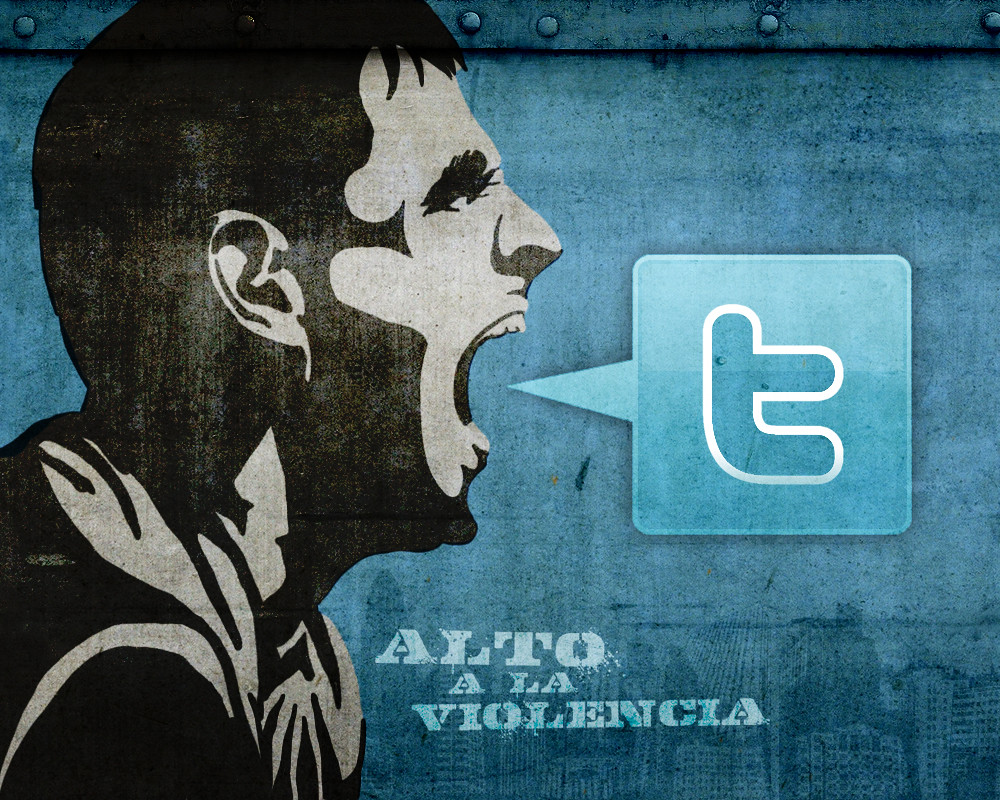
Social media platforms have also played a vital role in promoting the International Day of Non-Violence and Peace. Viral campaigns using hashtags like #NoViolence and #PeaceForAll have reached massive audiences, raising awareness and fostering discussions about the importance of peace in today's world.
Collaboration between Governments and NGOs
Collaboration between different social actors is key to creating successful and lasting programs. Governments and NGOs have worked together to implement training programs in conflict resolution and mediation, providing communities with the necessary tools to manage their differences without resorting to violence.
How You Can Contribute
Every individual can make a difference in their environment. Here are some concrete ways you can contribute to promoting nonviolence and peace:
Get involved with your community
Participating in local initiatives and joining groups that promote peace is a great way to get involved. This can include everything from cultural activities to awareness-raising campaigns.
Continuing Education
Education is fundamental. Learning about the impact of violence on society, as well as strategies for resolving conflicts peacefully, can empower individuals to take an active role in promoting peace.
Responsible Use of Social Media
Social media can be a powerful tool for promoting peace . Use these platforms to spread messages of support for nonviolence and build a more positive digital environment.
Dialogue and Listen
Fostering dialogue and practicing active listening are essential skills. You can contribute to creating peaceful spaces by opening channels of communication that allow for discussing difficult topics without resorting to confrontation.
The Day of Non-Violence and Peace is more than just a date on the calendar; it's a call to global action. Every step taken toward promoting peace and non-violence is critical to building a better world. From institutions to every individual, we all have a role to play in this important mission.
Mutual understanding and respect are the foundations upon which peaceful societies are built. Celebrating this day implies committing to eradicating violence in all its forms and working together for a future where peace is the norm, not the exception.
