- The Faculty of Experimental Sciences offers quality training in geology, environment and chemistry, combining theory and practice.
- Its history begins in the old Geology Section of La Rábida and has evolved with new qualifications and adaptation to the European Area.
- The center has modern facilities on the El Carmen Campus, including specialized laboratories and the Galileo Maxiaulario.
- The faculty is distinguished by its commitment to applied research, the protection of biodiversity, and close attention to the student.
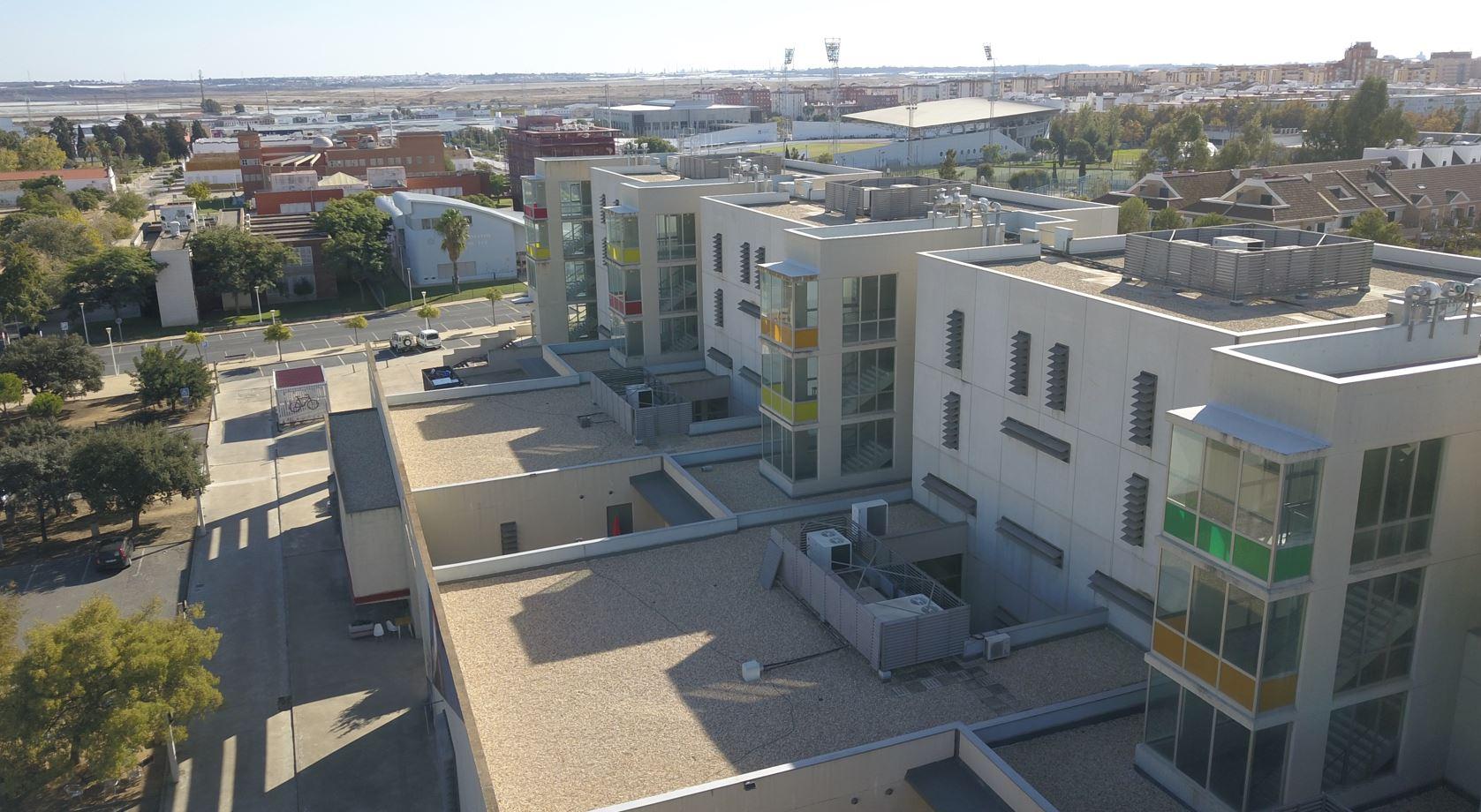
La Faculty of Experimental Sciences It is much more than a building full of classrooms and laboratories: it is a vibrant environment where scientific curiosity, cutting-edge research, and the training of future professionals in fields as relevant as geology, the environment, and chemistry come together. In this space, work is done every day to offer up-to-date, rigorous education closely aligned with the social and professional realities that await students upon graduation.
With a career that combines historical experience and adaptation to new knowledge modelsThe faculty is also conceived as a meeting point, not only for students, but also for professors, administrative and service staff, and all those interested in the experimental sciences. The center's website acts as a key communication tool, facilitating access to academic information, relevant news, and activities, as well as inviting visitors to learn more about the daily life of the faculty.
Why choose the Faculty of Experimental Sciences?
Choosing a science degree is no small decision, and the choice of university makes a significant difference. This faculty is committed to offering a comprehensive, high-quality training with standards of excellenceDesigned to meet the current needs of society and the scientific and technological challenges ahead, the curriculum is developed with careful consideration of labor market demands, emerging research areas, and new teaching methodologies.
Teaching at the Faculty of Experimental Sciences combines in a balanced way the theoretical classroom instruction combined with intensive practical training in laboratories and real work environments. The goal is for students to develop solid scientific skills, learn to operate advanced instruments, and become familiar with solving complex problems, from the first year to the final phase of their degree or master's program.
Another pillar of the center is its commitment to the constant renewal of knowledge and teaching innovationContinuous updating of programs, the introduction of digital resources, and the use of active learning methodologies are encouraged. This allows subjects to remain aligned with scientific and technological advances, and empowers students to take a leading role in their own learning process.
The faculty also takes special care of the close support for the studentDirect contact with faculty, personalized tutoring, and the accessibility of administrative and support staff make it easier to resolve doubts, guide academic paths, and support students during key moments in their university experience. All of this contributes to creating an atmosphere of trust and cooperation within the university.
Furthermore, the faculty's website has been configured as a permanent channel of dissemination and communication with the university community. This portal publishes news, important announcements, information on administrative procedures, schedules, calls for proposals, and scientific or cultural activities. This digital tool reinforces transparency and keeps everyone connected to the faculty informed.
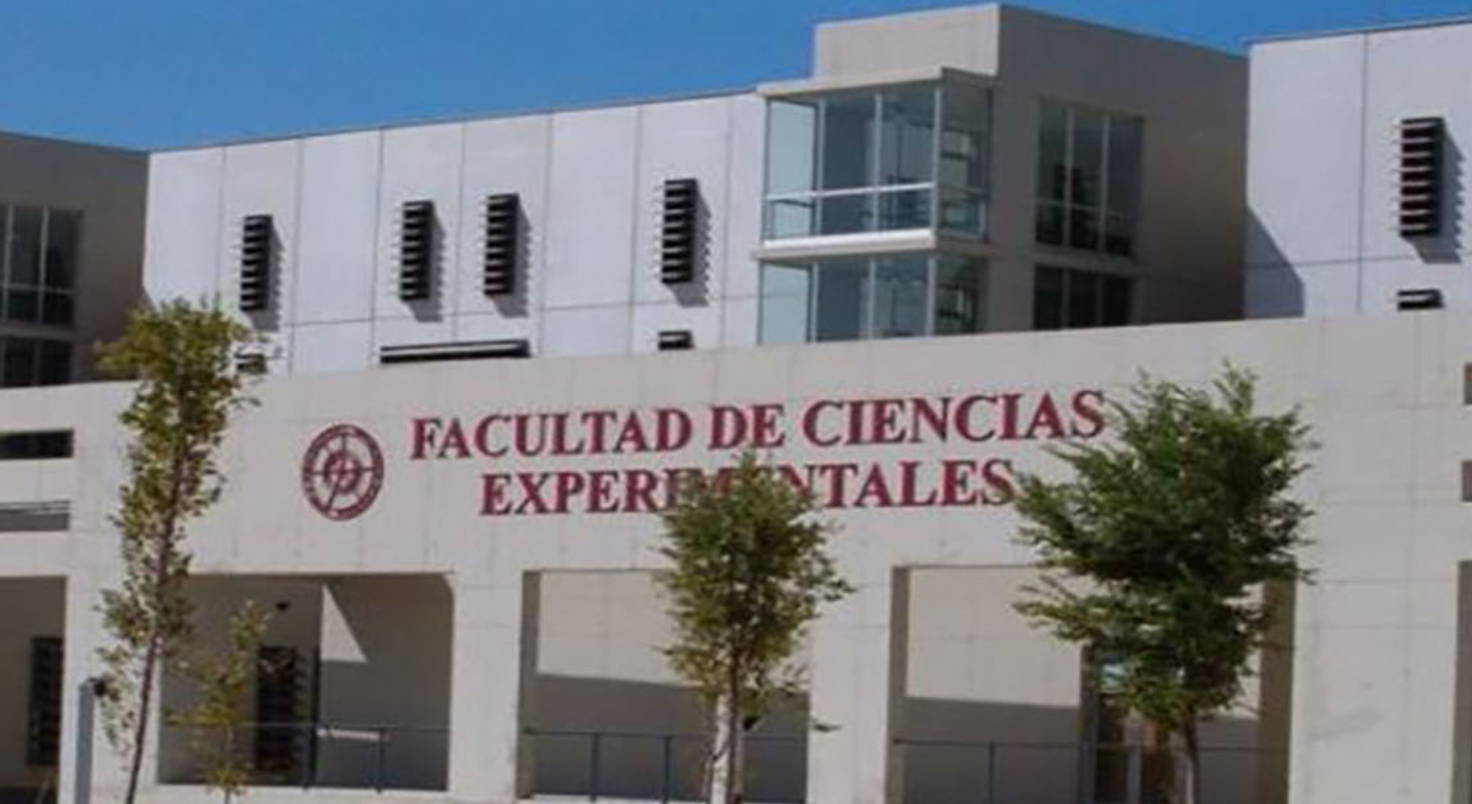
ACCUA visit and accreditation of the Master's Degree in Biodiversity Conservation
Among the faculty's most significant milestones is the work related to the evaluation and accreditation of their official qualificationsIn this context, the visit of the evaluation body ACCUA takes on special relevance, framed within the process of renewing the accreditation of the Master's Degree in Biodiversity Conservation, taught at the Faculty of Experimental Sciences.
This visit, scheduled for the Wednesday 25 of February of 2026This process is integrated into the official procedures for ensuring the quality of university education. During the evaluation, external evaluators analyze the master's program plan, the faculty profile, material resources, academic results, and the level of satisfaction among students and graduates, among other key indicators.
The renewal of the accreditation of Master's Degree in Biodiversity Conservation It is not merely an administrative formality. It represents recognition of the program's scientific, teaching, and organizational quality. Furthermore, it certifies that the studies meet the official criteria established by quality assurance agencies and the European Higher Education Area, which is essential to guaranteeing the academic and professional value of the degree.
This master's program responds to the growing social and scientific concern about the biodiversity protection and the sustainable management of natural resourcesThroughout the program, students acquire advanced knowledge of ecosystem, species, and habitat conservation, as well as environmental legislation, assessment tools, and management strategies. ACCUA's visit confirms that this content is taught rigorously and that the master's program's academic structure enables students to achieve the intended learning outcomes.
The faculty's involvement in these types of quality processes strengthens the confidence of prospective students, employers, and partner institutions. Active participation in the external evaluation of university teaching It demonstrates a clear commitment to continuous improvement and transparency. In this way, the center positions itself as a solid option for those who wish to specialize in fields where a strong scientific foundation and academic rigor are essential.
History and evolution of the Faculty of Experimental Sciences
The history of the Faculty of Experimental Sciences is rooted in the Former Geology Section of La Rábidawhich began its journey in the 1981/1982 academic year, offering a Bachelor's Degree in Geology. From that initial experience, a broader academic project was developed, with a commitment to growth and specialization in different branches of the experimental sciences.
The decisive step occurred in the year 1989, with the formal creation of the facultyThis milestone marked a turning point, consolidating a specific university center dedicated to teaching and research in basic and applied sciences. Since then, the development of new degree programs and the expansion of its academic offerings have been constant, adapting to the evolution of science and the needs of society.
After the start-up of the University of HuelvaThe center underwent a remarkable transformation. Starting in the 1996/1997 academic year, the following was incorporated: Enviromental science degreeBroadening the focus from geology to the understanding and management of the environment in a comprehensive sense, this new degree program addresses the growing demand for professionals specializing in impact assessment, land-use planning, conservation, and sustainability.
The expansion process continued in the 2004/2005 academic year, when the Degree in chemistryThis reinforced the importance of basic sciences within the center. Chemistry, as a central discipline in multiple industrial, pharmaceutical, environmental, and technological sectors, contributed to further diversifying the educational profile and attracting students interested in research and applied innovation.
With the adaptation to the European Higher Education Area and the implementation of undergraduate degrees, the faculty faced a new structural and academic challenge. Starting in the 2009/2010 academic year, the following were implemented: Bachelor's degrees in the three main areas of the center, reorganizing the study plans and adjusting them to the ECTS credit structure, transversal skills and European quality standards.
This evolution from the old geology section to the current multidisciplinary faculty highlights a sustained adaptability over timeThe center has successfully updated its programs, integrated new disciplines, and consolidated an educational and research project that has expanded without losing its scientific identity or its connection with the environment.
Location, building and teaching facilities
The main headquarters of the Faculty of Experimental Sciences is located in the El Carmen CampusA modern university setting that concentrates much of the academic activity of the University of Huelva. This location offers good accessibility, complementary services, and a dynamic student atmosphere that fosters university life both inside and outside the classroom.
The building that houses the faculty was inaugurated in the 2002/2003 academic year It is the work of the architect Tomás Curbelo from Huelva. The building, approximately 13.000 square meters in size, was designed to meet the specific needs of teaching and research in experimental sciences, with a layout intended to facilitate circulation, laboratory work, and interaction between departments.
The building's structure is organized into six differentiated blocks or nucleiThe building houses the various departments and areas of expertise. This modular configuration allows for more efficient space management, better organization of services, and greater flexibility for teaching and research. Each block includes classrooms, offices, common areas, and specialized laboratories, tailored to the needs of each discipline.
Complementing the main facilities is the Galileo MaxicularThis is a dedicated space where much of the theoretical instruction for degrees related to the Faculty of Experimental Sciences takes place. This large lecture hall complex features spacious classrooms equipped with audiovisual and technological resources, designed to accommodate large groups without compromising the quality of the teaching experience.
The combination of the main building and the Galileo Maxiaulario guarantees that the theoretical and practical teaching is developed under optimal conditionsWell-equipped classrooms, modern laboratories, study rooms, and meeting spaces make for a complete university experience. The architectural design also maximizes natural light and creates walkways and rest areas that encourage interaction between students and staff.
Beyond classrooms and laboratories, the faculty has administrative and service areas where students can complete procedures, request information, manage academic records, or handle matters related to scholarships and mobility programs. This administrative support is key to ensuring the smooth and efficient daily operation of the center.
Teaching, research and community engagement
The Faculty of Experimental Sciences is defined as a center clearly oriented both to university teaching as well as scientific researchIts activities revolve around the study of issues particularly relevant to the province of Huelva, with a strong emphasis on geology, chemistry, and the environment. This specialization is supported by the center's privileged location, surrounded by natural areas, mineral resources, and industrial environments that provide a unique context for study.
In the field of teaching, the faculty offers undergraduate and master's degrees that combine a solid theoretical foundation with intensive practical trainingLaboratory sessions are an essential part of the curriculum and allow students to become familiar with analytical techniques, advanced instrumentation, and research methodologies. In addition, external internships in companies and institutions, which bring the student closer to the professional world.
From a research perspective, the departments linked to the faculty develop projects in key areas such as applied geology, environmental chemistry, soil pollution and restoration, water quality, or industrial impact assessmentWork is also underway on the development of new materials, more sustainable chemical processes, and biodiversity conservation strategies adapted to local and regional realities.
The close connection with the immediate environment makes the faculty a relevant actor in the analysis of Environmental problems and sustainability challenges in the province of HuelvaThe presence of mining areas, protected natural spaces, and industrial activities makes this territory a veritable open-air laboratory, where the scientific knowledge generated at the university can be translated into concrete proposals for management and improvement.
Furthermore, the center fosters collaboration with other institutions, companies, and public bodies through agreements, joint projects and research contractsThese synergies facilitate knowledge transfer, applied innovation, and the job placement of graduates. They also open doors to internships, undergraduate and master's theses linked to real-world needs in the social and productive environment.
The faculty does not limit itself to its strict academic work, but also participates in activities of science outreach and bringing science closer to the publicConferences, talks, guided tours, workshops, and collaborations with educational centers are some of the initiatives that allow us to showcase the work done in laboratories and awaken scientific vocations among young people.
Student support, services and digital environment
One of the aspects most carefully considered by the faculty is the personalized attention to the studentFrom day one, students have access to information about tutoring, academic advising services, and administrative support. This accessibility makes it easy to resolve any questions about enrollment, study plans, internships, or international mobility quickly.
The teaching staff also plays a very active role in the monitoring academic progressIndividual or group tutorials allow for reviewing content, clarifying concepts, providing guidance on choosing electives, and supporting the student at key moments such as exam preparation. final degree project or master's thesisThis close relationship is especially valuable in scientific degrees with a high practical component.
From a service perspective, the faculty and campus make the following available to the university community library, study rooms, group work areas, cafes and outdoor spacesfostering a balanced environment for study and interaction. The library, in particular, has specialized collections in experimental sciences, access to databases, scientific journals and updated electronic resources.
In the digital sphere, the faculty's website fulfills a key function as information and management platformThrough it, important announcements are communicated, news about academic or scientific activities is published, documents of interest are shared, and links to useful resources for students and staff are provided. This tool makes it easy to stay up-to-date on everything happening at the center.
The university, including the faculty, uses First-party and third-party cookies for analytical and browsing personalization purposesThe cookie policy clearly explains how this data is used and what options the user has. The website itself allows users to accept or reject the use of cookies, and even provides instructions for adjusting browser settings, thus ensuring that each person's preferences are respected.
In addition to institutional information, the center's digital environment also serves as a showcase to give visibility to research projects, academic achievements, collaboration agreements and outreach activitiesThis online presence strengthens the faculty's image and helps attract new students, research partners, and external collaborators.
The entire range of services, both in-person and online, is designed to ensure that the university experience at the Faculty of Experimental Sciences is comprehensive, accessible and adapted to current needsFrom the quality of teaching to administrative management, including research and campus life, the center works to remain a benchmark in scientific training and in the generation of knowledge linked to its environment.
Thanks to its history, its academic offerings, its connection with the local area, and its commitment to quality, the Faculty of Experimental Sciences is today positioned as a a privileged space to study, research and develop a professional career in the sciencesCombining tradition and modernity in a university context that looks fully towards the challenges of the present and the future.