- Climate change alters air, water, food, and housing, generating direct and indirect impacts on physical and mental health.
- The most vulnerable people and regions suffer disproportionately from the health effects of the climate crisis.
- The health sector must be climate resilient and reduce its own carbon footprint by integrating climate information and clean energy.
- Mitigating emissions and adapting systems brings great health and economic benefits, especially by reducing air pollution.
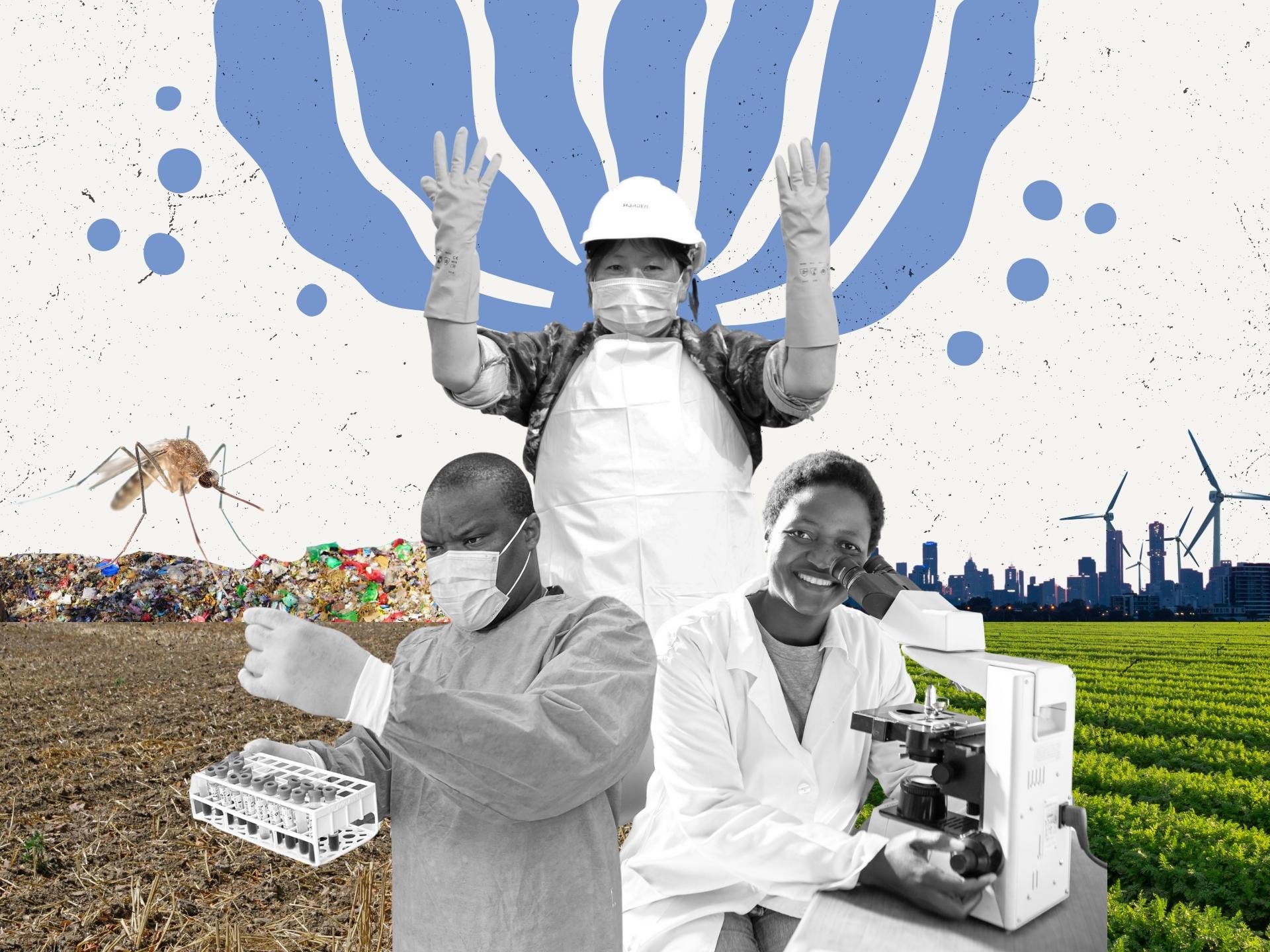
La The climate crisis has become one of the greatest challenges to human health.We are no longer talking about something distant or abstract, but about a phenomenon that is altering the planet's climate and, with it, the basic conditions we need to live: breathable air, safe water, sufficient food, and habitable environments. Every heat wave, every flood, or every drought leaves behind a direct or indirect impact on the health of millions of people.
At the same time, Healthcare systems are both part of the problem and part of the solutionThe health sector consumes many resources and generates greenhouse gas emissions, but it also has enormous potential to lead change, reduce its own climate footprint, and protect the most vulnerable populations. A thorough understanding of the relationship between climate and health is key to designing public policies, planning healthcare services, and making everyday decisions that can make a difference.
What is climate change and why does it affect health so much?

The international community defines climate change as the climate change attributable directly or indirectly to human activity which alters the composition of the atmosphere, adding to the natural variability of the climate. Since the early 1990s, organizations such as the United Nations and the Intergovernmental Panel on Climate Change (IPCC) have warned that global warming is not only an environmental problem, but also a major health risk.
The IPCC, created in 1988, is responsible for review the available scientific, technical and socioeconomic evidence on climate and publish consensus reports approximately every five years. In its early documents, health was barely mentioned, but from the mid-nineties onwards, specific chapters began to be dedicated to the health effects of global warming, consolidating the idea that health should occupy a central place in climate policies.
The IPCC's third report, published in 2001, summarized the main mechanisms through which climate alters healthSince then, various subsequent reports, including the fourth assessment in 2007, have reinforced the conclusion that many of the most significant impacts on people will come from indirect effects: less water availability, food insecurity, and an increase in disasters associated with extreme weather events.
Climate change affects the basic requirements for a healthy life: clean air, drinking water, sufficient food, and safe housingAs temperatures rise and the climate becomes more unpredictable, these pillars weaken, particularly in less resource-poor regions, widening inequalities and further complicating access to basic health services.
Direct impacts of climate change on health
When it comes to health and climate, the direct effects are the most visible: heat waves, cold waves and extreme weather events such as floods, violent storms, cyclones, or wildfires. These events can cause immediate deaths, serious injuries, and a sudden surge in demand for healthcare that overwhelms hospitals and health centers.
Intense heat waves are associated with a increased mortality from heat stroke, cardiovascular and respiratory problemsThis is especially true for the elderly, those with chronic illnesses, infants, and those living in poorly insulated homes. Conversely, episodes of extreme cold also lead to an increase in deaths from heart attacks, strokes, and respiratory illnesses, particularly in homes without adequate heating.
Floods and severe storms cause drownings, injuries, power outages and damage to healthcare infrastructureFurthermore, the destruction of homes and basic services leaves many people without a safe place to live, increasing the risk of infections, mental health problems, and the worsening of pre-existing conditions that go untreated.
Forest fires, which are becoming more frequent and devastating, generate large amounts of smoke and fine particles These smoke plumes exacerbate respiratory conditions such as asthma and COPD, and are also associated with cardiovascular effects and increased hospital admissions. Their impact is not limited to the directly affected areas, as the plumes can travel hundreds of kilometers.
Indirect effects: air, water, food, and infectious diseases
Beyond the immediate impacts, climate change slowly alters essential systems and causes indirect health effects These changes often go unnoticed, but collectively they can be even more significant and long-lasting. Among them are changes in air, water, and food quality, as well as the spread of communicable diseases.
First, global warming alters the air quality and the concentration of allergens such as pollenHigher temperatures and seasonal changes lengthen or shift pollination periods, increasing respiratory allergy symptoms in many people. Furthermore, increased tropospheric ozone and other pollutants worsen asthma and other respiratory ailments.
Secondly, a increase in waterborne and foodborne illnessesHigh temperatures favor the proliferation of bacteria and other pathogenic microorganisms, increasing the risk of gastroenteritis, diarrhea, and outbreaks of foodborne infections, especially in areas with poor sanitation and limited access to clean water.
Another key aspect is the modification of the geographical distribution and seasonality of infectious diseases transmitted by vectors, such as mosquitoes or ticks. As temperatures and rainfall patterns change, these vectors can establish themselves in regions where they previously could not survive, expanding the risk area for diseases such as malaria, dengue, or Zika.
Finally, prolonged droughts, loss of farmland, and flooding generate forced displacement of population towards urban areasoften in precarious conditions. This fosters overcrowding, hinders access to health services, and increases vulnerability to multiple health threats, from infections to mental health disorders.
Inequalities and especially vulnerable groups
The climate crisis does not affect everyone equally: The most vulnerable people and communities suffer the worst consequencesThe poorest and most densely populated regions, such as much of Africa or Southeast Asia, are already disproportionately experiencing the impact of droughts, floods, and changes in agricultural productivity.
Within each country, certain social groups bear a particularly heavy burden: women, children, the elderly, people with disabilities, indigenous peoplesOutdoor workers, people living in poverty, or those living in remote areas often have less access to healthcare, safe housing, clean water, or resources to protect themselves from extreme weather events.
For example, it has been observed that People with disabilities are up to four times more likely to die in disaster situationsThis is due to physical, communication, and social barriers that hinder their evacuation and care. Similarly, pregnant women, newborns, and children—especially girls—face a high risk from disease, malnutrition, and exposure to extreme heat.
Climate change also poses a challenge for those living with HIV or other chronic illnessesDisruptions to health services caused by floods, pandemics, or other climate-related risks can cut off access to essential medication, regular check-ups, and follow-up treatments, exacerbating existing inequalities.
This set of factors creates a vicious cycle of inequality and vulnerabilityThose who have contributed least to greenhouse gas emissions are, in many cases, those who suffer the most from their effects. Therefore, climate and health policies must incorporate equity as a central principle and ensure that no one is left behind.
Global burden of disease, mortality and mental health
The World Health Organization estimates that, between 2030 and 2050, Climate change could cause around 250,000 additional deaths per year due to malnutrition, malaria, diarrhea, and heat stress. To this must be added the direct healthcare costs, estimated in the billions of dollars annually, not counting the indirect economic losses from reduced productivity or damage to infrastructure.
From an economic point of view, it is expected that the direct healthcare costs associated with climate change These costs could range from $2 billion to $4 billion annually by 2030. This figure does not include other financial impacts resulting from the destruction of homes, crops, or transportation networks, which also affect people's health and well-being.
The climate crisis not only affects physical health, but also... mental health and emotional well-beingExposure to extreme weather events, forced displacement, loss of livelihoods, famine, and malnutrition generate anxiety, depression, post-traumatic stress, and other psychological disorders that can last for years.
Even without directly experiencing a disaster, many people experience eco-anxiety and a feeling of chronic uncertainty facing the future of the planet and their own lives. This emotional burden can especially affect young people and teenagers, who perceive the climate crisis as a constant threat and, at times, as a generational injustice.
The combination of physical, psychosocial, and economic problems makes the climate crisis is one of the greatest threats to global health in the 21st centuryThis issue has already been addressed in numerous scientific analyses and is on the agenda of international organizations. Hence the urgency of adopting decisive measures for both mitigation and adaptation.
The role of the health sector: resilience and low emissions
The healthcare sector has two sides: on the one hand, it must to protect the population from the impacts of climate changeAnd on the other hand, to reduce their own climate footprint resulting from their operations. Hospitals and healthcare facilities consume large amounts of energy, materials, and resources, and are responsible for a significant portion of global emissions.
In 2020 it was estimated that the The health sector generated around 4,6% of global greenhouse gas emissionsFurthermore, one in three health facilities lacks sufficient resources to properly manage its waste, increasing environmental and health risks, both locally and globally.
Build resilient health systems Integrating climate and meteorological information into health surveillance involves connecting data on temperature, rainfall, air quality, and extreme weather forecasts with systems that monitor climate-sensitive diseases, allowing for risk anticipation and early warnings.
Resilience also requires adapting health infrastructure and operations to withstand extreme eventsHospitals, health centers, and emergency services need contingency plans, backup power sources, safe water supply systems, and designs that minimize vulnerability to floods, heat waves, or storms.
But a resilient system cannot be sustained without people: they are fundamental Invest in healthcare professionals trained in climate and healthStrengthening community interventions and supporting local climate action improves equitable access to health services and ensures that care truly reaches those who need it most, even in the context of climate crisis.
Decarbonizing and "greening" healthcare
In addition to being resilient, the healthcare system must move towards a low emissions and high environmental performance modelThis encompasses everything from the choice of energy sources to the purchase of supplies, waste management, and the design of buildings and medical equipment.
One of the key lines is the transition to renewable energy in health centersby replacing fossil fuels with electricity from sources such as solar or wind power. This simultaneously reduces carbon emissions and local air pollution, with direct benefits for patients, healthcare staff, and nearby communities.
Another priority is the greening of the healthcare supply chainPromoting environmental criteria in the procurement of medicines, medical supplies, devices, and services. This includes reducing single-use products, choosing options with a lower carbon footprint, and requiring suppliers to make strong sustainability commitments.
The best of the Energy Efficiency and the proper management of healthcare waste It is equally essential. Well-insulated buildings, efficient lighting, optimized climate control systems, and rigorous waste segregation, treatment, and recycling plans help reduce both climate impact and operating costs.
During COP26 in 2021, several countries pledged to reduce emissions from their healthcare systems and achieve climate neutrality towards the middle of the century. To support these efforts, the World Health Organization has promoted initiatives such as the Alliance for Transformative Action on Climate and Health (ATACH), which offers technical support and coordinates climate policies linked to health.
Experiences in Latin America: carbon footprint and green hospitals
In various Latin American countries, specific projects have been launched to measuring and reducing the climate footprint of the healthcare sectorThese experiences show that it is possible to move towards more sustainable and resilient health systems, with environmental, economic and social benefits.
In Ecuador, for example, the Ministry of Public Health and specialized organizations collaborated on a project to Estimate the carbon footprint of 35 health facilitiesThe participating centers received technical assistance to collect consumption and emissions data using a climate impact monitoring tool, which made it possible to identify the main emission sources.
Following this process, results were presented and an offer was made specific training to develop climate action plans in each institution. The recommendations included measures to support compliance with national emissions reduction commitments and to design decarbonization and resilience strategies in the health sector at the national level.
In Colombia, a collaboration agreement was signed with the Ministry of Health and Social Protection to calculate the climate footprint of the healthcare system at the facility scaleA sampling methodology was developed, Health Service Provider Institutions (HSPs) were selected, and more than 400 centers completed online training on the use of the climate monitoring tool.
Subsequently, the so-called "Huellatones" were organized, in-person and virtual sessions for to support centers in calculating their emissionsThe analysis of the data made it possible to estimate emissions from selected sources in the Colombian health sector and formulate concrete recommendations to reduce them, the results of which were publicly presented in 2023.
In Peru, in collaboration with the Ministry of Health, dozens of establishments began the process of joining the Global Network of Green and Healthy HospitalsSome centers participated in pilot projects to quantify their greenhouse gas emissions and guide mitigation strategies, while other countries in the region, such as Mexico and Chile, have developed similar training programs for groups of public establishments.
Fossil fuels, air pollution and health
The main driver of climate change is burning fossil fuels such as coal, oil and gasThis process releases large quantities of carbon dioxide and other greenhouse gases. At the same time, this combustion generates air pollutants that directly harm health, creating a double threat: global warming and deteriorating air quality.
Pollutants produced by coal-fired power plants, diesel vehicles, and other similar sources include fine particles (PM2,5), nitrogen oxides and toxic compoundsThese pollutants have been shown to contribute to the development of asthma, chronic respiratory diseases, heart disease, stroke, lung cancer, diabetes, and pregnancy complications.
A World Bank analysis concluded that particulate matter from the combustion of fossil fuels is among the most harmful pollutants to healthassociated with a large number of premature deaths. It is estimated that eliminating these fuels could prevent around 1,2 million deaths annually linked to exposure to environmental particles resulting from their use.
The global cost of health damage related to air pollution is around $8,1 trillion a year, equivalent to more than 6% of global GDPTherefore, progressively reducing the use of coal, oil, and gas in favor of renewable energies generates a double benefit: it improves public health and helps to curb climate change.
In the field of transport, the solution lies in betting on electric vehicles powered by clean energy and promoting active commuting —walking and cycling—. Those who cycle daily emit a much lower amount of carbon than those who use the car for their usual journeys, and also obtain direct benefits on their physical and mental health.
Food, climate and health: towards more sustainable diets
What we eat and how food is produced, processed, and transported has a huge impact on the climate and our health. It is estimated that Around one third of global greenhouse gas emissions are linked to the food systemfrom food production to food waste.
Most of these emissions come from land-intensive production of animal-based foodsExamples include red meat farming, some dairy products, and certain forms of aquaculture. These systems typically require large areas for pasture or feed crops, as well as high energy inputs, resulting in a significant climate impact.
On the contrary, plant-based foods —fruits, vegetables, legumes, nuts and whole grains— They tend to require less land, water, and energy, and generate fewer emissions per calorie or gram of protein produced. From a health perspective, plant-rich diets are associated with a lower risk of obesity, cardiovascular disease, type 2 diabetes, stroke, and some types of cancer.
Adopting more balanced eating patterns, with greater prominence of plant-based products and lower consumption of red and processed meatIt simultaneously reduces the climate footprint and the risk of chronic diseases. This is especially relevant in high-income countries, where the consumption of calories and animal protein is generally higher than actual needs.
However, in low-income contexts, the Animal products can be an important source of protein and micronutrientsespecially in diets with little diversity. Therefore, recommendations must be adapted to each situation, always seeking to improve health without exacerbating food insecurity or compromising the nutrition of vulnerable populations.
In homes, the use of polluting cooking fuels—such as firewood, coal, or kerosene— It causes more than 3 million premature deaths annually, in addition to contributing to emissions of carbon dioxide and black carbon, one of the components of fine particulate matter with the greatest climate impact. Replacing these fuels with clean solutions, such as improved cookstoves or solar energy, protects respiratory health and helps mitigate global warming.
Mitigation and adaptation: health benefits of climate action
The science is conclusive: Reducing greenhouse gas emissions is an investment in healthLeaving fossil fuels behind and promoting more sustainable transportation, food production and energy generation systems has immediate and long-term positive effects for people and the planet.
Mitigation policies that align with the goals of the Paris Agreement can Prevent nearly one million deaths annually by 2050 simply by reducing air pollutionIf all the health benefits derived from reduced exposure to pollutants, healthier diets, and increased physical activity are taken into account, the economic value of these gains could be approximately double the cost of the necessary climate policies.
Adaptation strategies, on the other hand, focus on reduce the vulnerability of natural and human systems in the face of the already inevitable impacts of climate change. This includes strengthening public health systems, improving epidemiological surveillance, adapting infrastructure, protecting water resources, and planning responses to climate emergencies.
International organizations insist that these measures must be intersectoral and involve the whole of societyIt is not enough to act only in the health sector: coordinated policies are needed in energy, transport, urban planning, agriculture, education and social protection, always with equity and the precautionary principle as fundamental pillars.
As heat waves, droughts, and other extreme events intensify, it becomes essential integrating health into all climate policiesDoing it right not only prevents deaths and illnesses, but also strengthens the resilience of communities and contributes to building fairer and more sustainable societies.
The relationship between climate and health permeates virtually every aspect of daily life: from how we move around the city to what we eat or what type of energy hospitals use. Understanding this connection and acting accordingly allows us to... climate action becomes a powerful lever for improving public healthto reduce inequalities and ensure that future generations can live in a habitable and healthier environment than the one that worries us today.