- Inclusive signage combines visual, tactile, audio, and technological resources to provide independent guidance.
- UNE 170002, RD 1/2013, RD 505/2007 and Directive 2019/882 set the legal and technical framework.
- Key typologies: directories, directional signs, and confirmation signs; plus pavements, Braille, and audio.
- Validation with common users and criteria (pictograms) guarantee understanding and consistency.
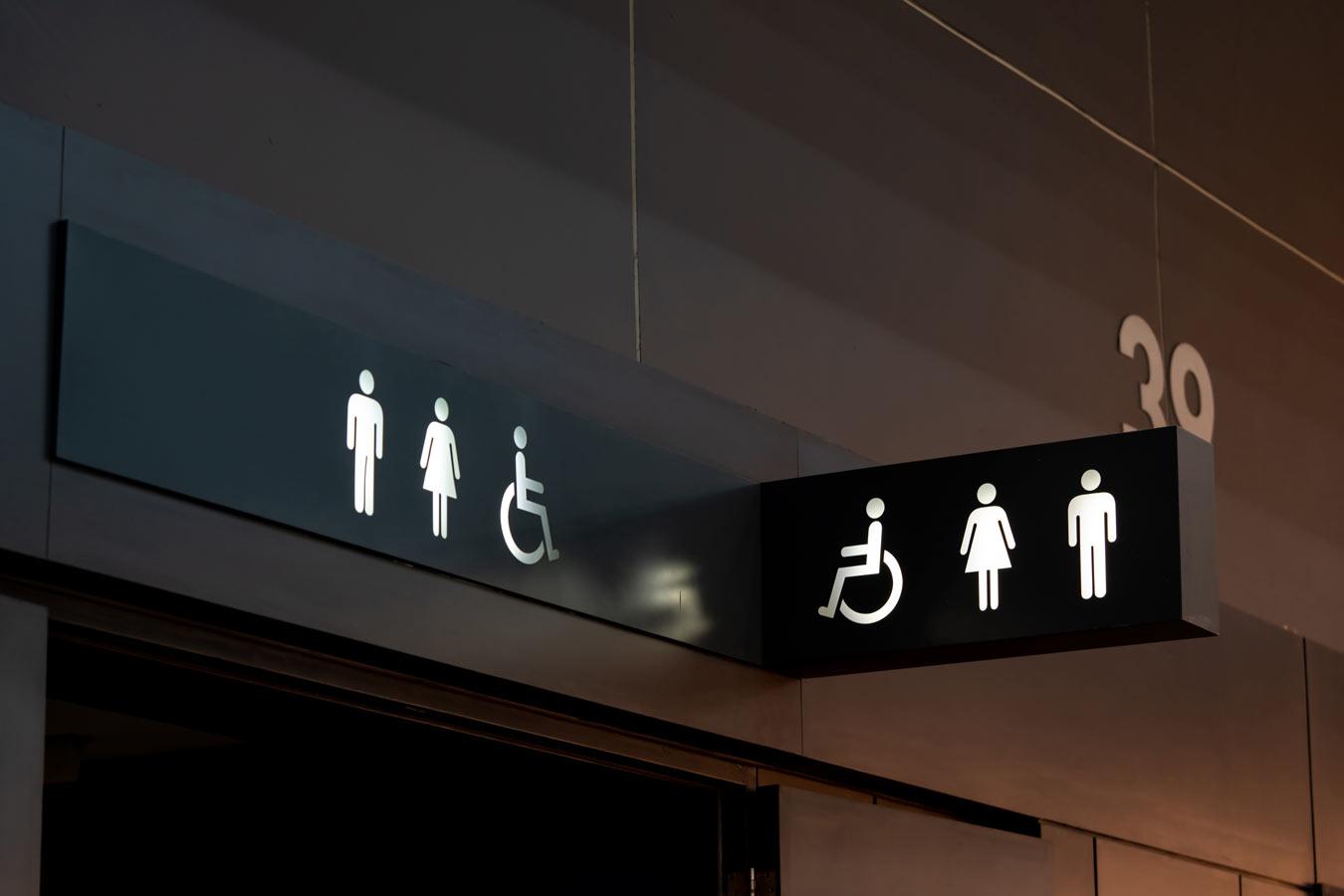
In recent years, the discussion about accessibility has gone from being optional to becoming a cross-cutting priority. In public buildings, hospitals, schools, shops, urban spaces or sports centers, signage can no longer be limited to "indicating"; it must ensure that any person, regardless of their sensory, cognitive or motor abilities, can orient themselves and move around autonomously and safely.
In short, we're talking about accessible and inclusive signage. It's an approach that combines design, regulations, and technology to eliminate barriers to information and orientation. And, although it may sound complex, a significant portion of these solutions are viable and scalable: from the correct use of color contrasts and legible fonts up to the incorporation of Braille, high relief, validated pictograms or sound systems and magnetic loops.
What is accessible signage and why it matters
Accessible signage encompasses all spatial communication resources designed to be clear, understandable and usable by all citizensIts goal is to make information immediately perceptible and a useful guide for making decisions in environments that are often complex or crowded.
This approach relies on visual, tactile, auditory, and digital strategies that work together. It's not enough for the signs to be "visible": They must be able to be read, heard or touched according to the user's needs. Thus, a sign is truly inclusive when it doesn't require excessive effort to locate, pay attention to, or understand.
Key components of an inclusive system
- Visual resources: high chromatic contrast, unambiguous iconography, legible fonts (preferably sans serif) and sizes sufficient for distance reading.
- Tactile resources: standardized Braille, raised texts, and tactile strips or surfaces to guide routes and warn of changes.
- Audible signaling: audible messages or beacons that help identify access points, elevators, or changes in direction, especially useful for people with visual impairments.
- Accessible technology: QR codes that expand information, magnetic induction loops on counters, and apps that offer personalized instructions or step-by-step guidance.
Practical examples that work
- Braille and high relief plaques to identify offices, bathrooms, rooms or elevators without relying on vision.
- Contrast and legible fonts following parameters such as those of UNE 170002, which facilitate reading for people with low vision.
- sound indication on subway, train, or elevator platforms, with floor and direction announcements, providing reliable guidance.
- Universal pictograms standardized and recognizable, used in public buildings (for example, in various facilities in Madrid) to facilitate understanding for people with cognitive difficulties or language barriers.
Regulations and standards you should know
Accessibility in signage is not a "nice to have": it is a legal and ethical requirement. In Spain and the EU, there are regulatory and technical references that guide the way, such as the UNE 170002, the Royal Legislative Decree 1/2013 or Royal Decree 505 / 2007, among others.
La UNE 170002 Standard It sets out universal accessibility requirements for signage: from design and materials to installation and maintenance, with the aim of enabling anyone, including those with visual or cognitive disabilities, to understand and use sign systems.
El Royal Legislative Decree 1/2013 establishes the framework of equal opportunities and non-discrimination of people with disabilities, and the Royal Decree 505 / 2007 It establishes basic conditions of accessibility and non-discrimination in urbanized public spaces and buildings, for independent and safe use.
La European Directive 2019/882 (European Accessibility Act) sets out requirements for accessible products and services that promote inclusion at the Community level. Complementarily, the recommendations from ONCE and other specialized entities They provide useful criteria on tactile, visual and audible signaling.
In terms of certification, it should be noted that the AIS 1/2023 It contemplates a modality for Unique or Protected Buildings, which opens avenues to act on historic buildings through solutions compatible with their asset value.
Real impact: autonomy, compliance and image
The implementation of inclusive signage promotes personal autonomy: People can navigate, locate services, and make decisions without outside assistance. This benefits users with disabilities, but also the elderly, families with children, visitors who don't speak the language, or those with time limitations.
At the corporate and administrative level, accessibility avoid legal risks, facilitates certifications and, in many cases, opens doors to financing or improvement programs. In addition, it has a direct effect on the overall experience: the clearer the system, the smoother and the journey is satisfactory.
Finally, investing in inclusive environments reinforces the social responsibility and reputation of public and private organizations. Well-integrated accessibility is often perceived as an attribute of useful and human innovation.
Information architecture: types of signals that cannot be missed
A robust system combines multiple levels of signage to guide the user from the entrance to their destination. In complex environments (such as hospitals), this is critical. The Clear Code® Method, developed by PMMT Forward Thinking Healthcare Architecture after years of research, systematizes these needs from the relationship between functional diversity and architectural space.
Disseminated by Blanca Fernández (architect and Clear Code Manager) in 2018, among others, the Clear Code® approach demonstrates that a substantial part of universal accessibility depends on signaling systems. It considers the behaviors and habits of users grouped into 13 functional profiles And remember a key fact: nearly 40% of the population experiences some permanent or temporary limitation throughout their lives.
In this context, three main categories can be distinguished: milestones or directories (in access, receptions and landings of the plant), organizational signage and directional arrows (to remember the route and support decision making) and destination confirmation signals (to verify that we have arrived at the right place).
To avoid accessibility gaps between areas, it is advisable to add secondary systems: guided pavements, tactile strips and directional guides, as well as the use of different textures and colors to distinguish areas and highlight points of interest. Marking and highlighting obstacles along the route is another essential practice.
In vertical scrolling elements, the Elevators must integrate tactile and audible signaling, and evacuation routes must be kept clearly identified with minimal lighting and visual continuity. In addition, to enhance the overall sensory experience, buildings benefit from audiovisual and sound reception enhancement systems.
Inclusive signage in sports spaces: the case of a weight training area
Applying inclusive criteria to a gym or training area requires thinking about flow, safety, and clarity. First of all, directional signs They must clearly mark entrances, exits and routes, avoiding interference between those who are moving and those who are training.
Secondly, it is advisable to include interpretive signs next to drinking fountains, rest or stretching areas, and each machine, with direct and localized information. Thirdly, the identifying signs They serve to delimit sections (warm-up, cardio, strength, stretching) and help to position oneself within the group.
Finally, the regulatory signals They include usage and safety rules for each piece of equipment and reinforce hygiene and social distancing habits. This system, by prioritizing safety and guidance, improves the experience for all users. regardless of language or level of familiarity with the room.
As for typography, the sports context calls for clear letters that perform well from a distance: sans serif families such as Helvetica, Roboto or Montserrat They offer clean geometries and high legibility. Appropriate sizes, good line spacing, and sufficient contrast should be used.
Color plays a strategic role. We can use blue for general indications, green for stretch or calm areas, red for high intensity areas or to highlight hazards, and yellow for warnings and precautionsThis encoding facilitates instant reading of the environment.
The iconography, better minimalist and universal, works well with pictograms of human silhouettes that represent exercises or actions, useful for beginners or people with reading difficulties. The key is to maintain visual consistency and validate comprehensibility.
Regarding materials, signal structures are usually resolved in stainless steel or aluminum for its durability, while the floor uses non-slip paints. For furniture, treated wood or recycled plastic can be options depending on the climate and use.
Technology multiplies reach: codes QR with video tutorials, low-consumption LED lighting (including solar) to maintain nighttime visibility and, if applicable, alarm systems or cameras aimed at ensuring the security of the surroundings.
A typical material proposal would include heavy duty metal plates, with laser engraving for long-term readability, and high-adhesion non-slip horizontal signage. All of this, when well executed, provides durability, safety, and efficiency in daily operations.
Pictograms and cognitive accessibility: towards common criteria
In addition to the physical and sensory level, cognitive accessibility is crucial for information to be easy to understand. A good example is the Good Practice Guide for Accessible Signage in Buildings presented in Seville, which brings together 150 accessible pictograms to unify criteria in Andalusian spaces and facilitate consistent signage of similar facilities.
This guide, presented at the Caixaforum Auditorium with the participation of cognitive accessibility specialists and user representatives, seeks to break down barriers of understanding, propose cognitive enhancement techniques and serve as a basis for public and private buildings. It is intended as a universally accessible and living document: if new pictograms are required, they can be designed using the same criteria. creation and validation.
In entities with multiple locations or different types of facilities, the disparity of signs and spatial arrangement affects the daily lives of users. common and consistent criteria makes environments more welcoming and predictable for professionals, families, and people with disabilities, improving orientation and reducing cognitive load.
Myths and realities about accessibility that should be dispelled
There are widespread misconceptions that hinder the implementation of inclusive measures. The first is cost. Realidad: Many improvements are low cost (good signage, furniture adjustment, non-slip materials) and, in addition, their return is high by expanding the user base, increase satisfaction and reduce risks.
"Only people with disabilities need accessibility." Realidad: benefits everyone. Families with strollers, tourists, seniors, or those with a temporary injury benefit from clear routes, pictograms, audio, and tactile signals.
"Adapting an old building is impossible." Realidad: It requires sensitivity and tailored solutions, but it is feasible. The AIS 1/2023 certification includes a specific option for unique or protected properties. making accessibility and heritage compatible.
"Accessibility equals building ramps." Realidad: Accessibility is comprehensive and includes adapted bathrooms, adequate passage widths, lighting, acoustics, Braille and haptic signage, and cognitive measures as easy reading or pictograms.
"People with visual impairments do not need signage." Realidad: They need it, and lots of it. Braille, high relief, audible alerts, and tactile feedback are key to moving around independently in complex buildings.
"Complying with the regulations is enough." Realidad: Standards are the minimum. Going beyond and evaluating real-life experience with diverse users is what ensures that the space is truly usable.
"People with disabilities prefer not to go out." Realidad: What limits presence in public spaces is not preference, but barriers. When an environment is accessible and intuitive, participation increases significantly.
"Accessibility ruins aesthetics." Realidad: A good design integrates accessibility without sacrificing visual appeal. In fact, it is often invisible when well designed, and only you can tell when it's missing.
"It's something only for public spaces." Realidad: It's also essential in offices, educational centers, healthcare and courts, and retail. Inclusion spans work life, learning, health, and leisure.
"Once it's built, there's nothing left to do." Realidad: There is a wide scope for improvement with subsequent interventions: clear signage, lighting adjustments, tactile and audible labels, accessible routes and suitable furniture.
Practical keys to implementing a system that works
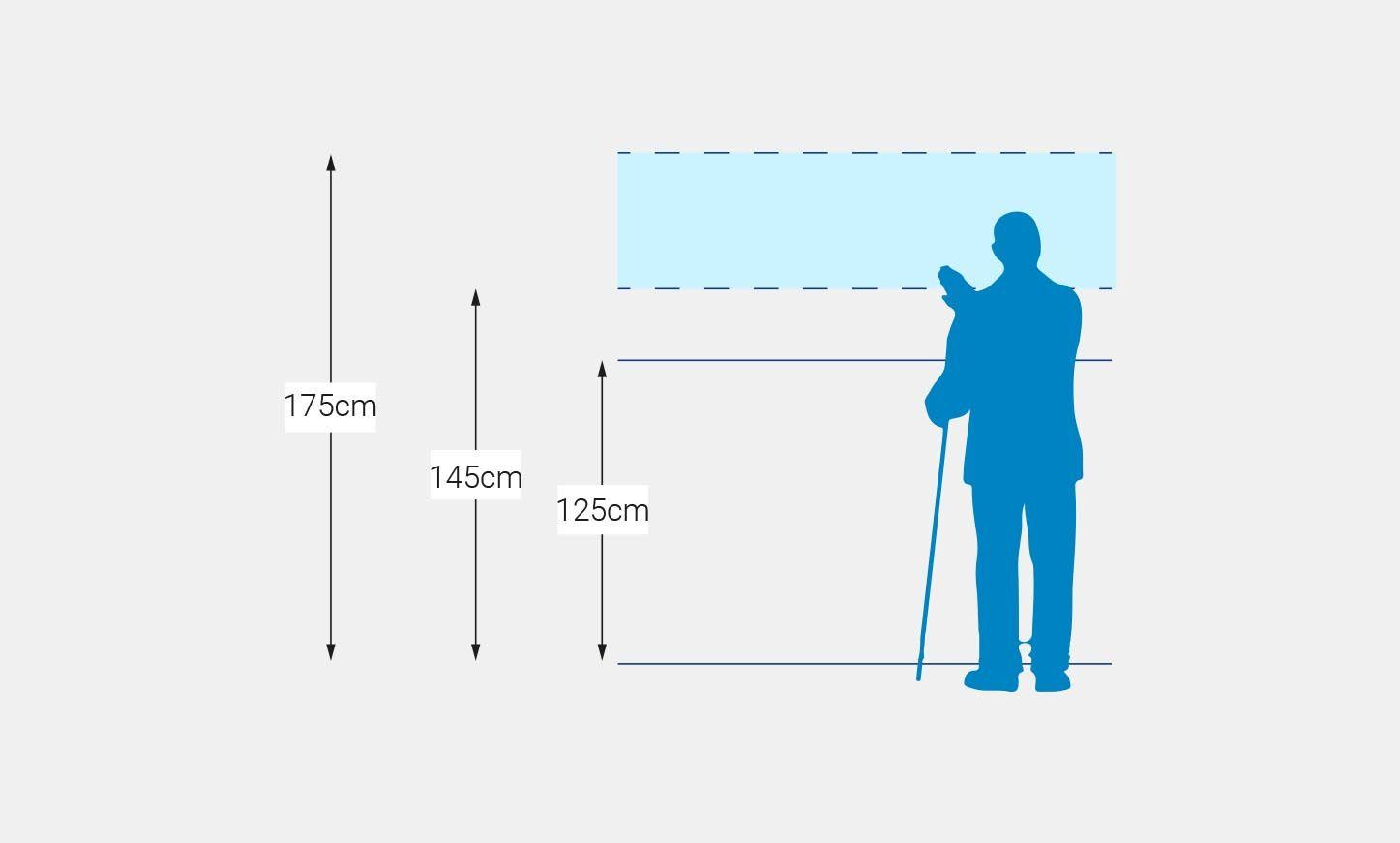
Start with one strategic location Signals: at decision points (access points, intersections, elevator hubs, floor changes), at standard heights and with guaranteed visibility. Eliminate visual obstacles and maintain safe distances.
Choose approved and resistant materials Fire, corrosion, and vandalism resistant. Prioritize sturdy supports and anti-reflective finishes. For tactile signage, pay attention to the relief, installation height, and Braille legibility.
Validated with real users. Involves people with visual, hearing, motor and cognitive disabilities in the usability testing of prototypes and in the final review. Adjust sizes, contrasts, messages, and locations based on that evidence.
Integrate technology wisely. QR codes should point to accessible content (easy-to-read, subtitled audio or video), and induction loops Counters should be well-marked. If you use apps, make sure they offer step-by-step navigation and are compatible with screen readers.
Specialized services and community work
For many projects, having teams with specific training in accessibility provides assurance. Inclusive design firms and architectural studios with experience in accessible signage plans They can coordinate audits, design, manufacturing and installation.
Collaboration with social entities and validation groups composed of people with different capacities (as occurs in projects promoted together with specialized foundations) allows us to ensure that communication is adequate, understandable and verifiableIn addition, certain regulatory frameworks may provide funds or programs that support the creation of inclusive spaces.
From the administration, initiatives such as the guide of 150 accessible pictograms promote the unification of criteria and offer reusable templates. These types of resources, conceived as universally accessible documents, facilitate addressing cognitive accessibility in both public and private buildings and allow the pictogram library to be expanded using the same design and validation method.
The reality of the associative movement illustrates another lesson: when multiple venues with disparate signage coexist, the result is a less friendly and more confusing environment. Taking the time to organize spaces, homogenize icons and messages, and consolidating a consistent system has an immediate impact on the daily experience of professionals and users.
Those who work in healthcare, education, or retail know this well: inclusive signage is a tool for empathy and social responsibility. Beyond the technique, its success lies in listening to needs, observing behaviors, and translate the complexity of space into useful and actionable information. With a clear regulatory foundation, proven design criteria, and user engagement, any environment can move toward true inclusion.