- Breathing, muscle relaxation, and visualization are the foundation for calming your body and mind during key study moments.
- Physiological and cognitive benefits: less heart rate, better focus, better sleep, and more confidence in problem-solving.
- Daily practice for 10-15 minutes and strategic use before and during exams will boost results and reduce blockages.
- Rely on healthy habits and, if necessary, on professionals for comprehensive management of academic stress.
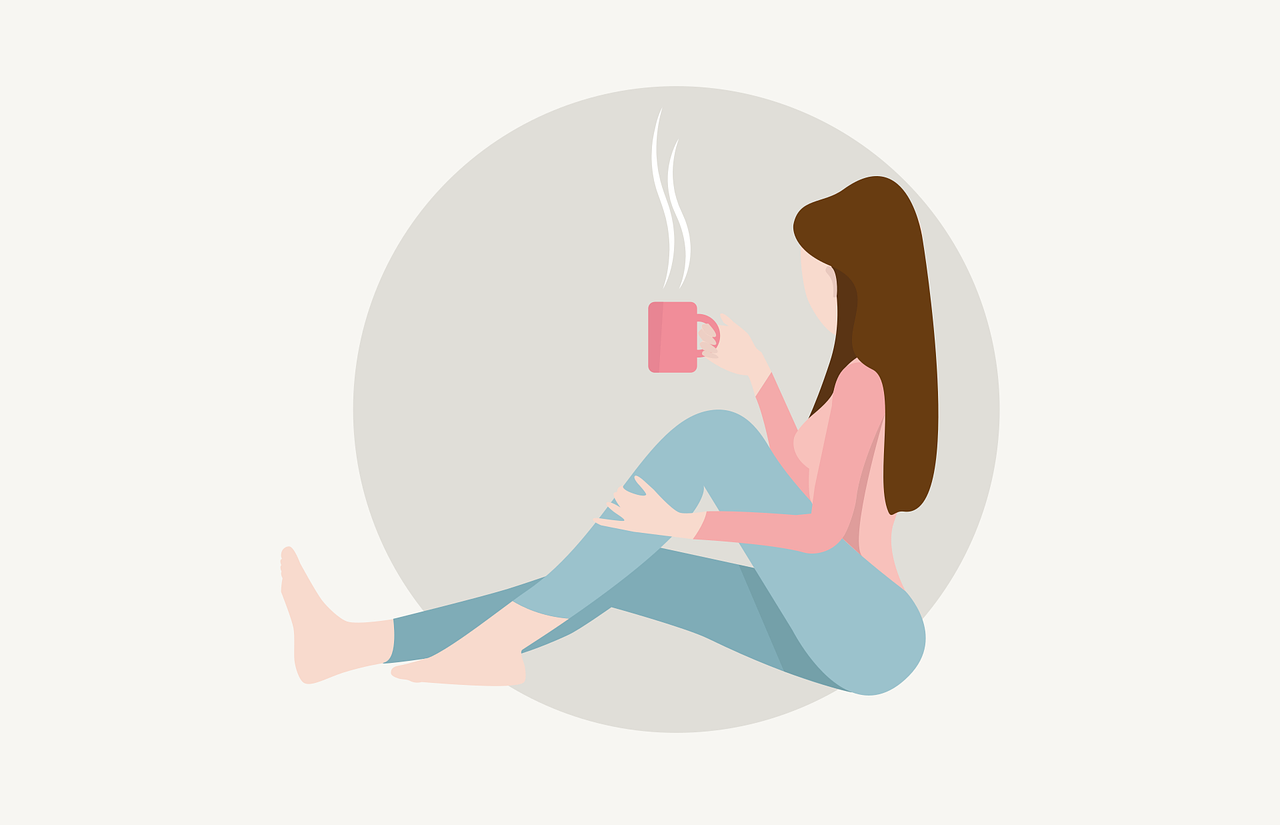
Studying demands mental and emotional energy, and when assignments, exams, and expectations pile up, it's not uncommon for nerves to set in. Relaxation techniques for students are a practical resource for reducing physical and mental arousal , regaining focus, and facing the day with more calm.
We're not just talking about "being calm" for a while; we're talking about specific exercises that reduce muscle and mental tension and the physiological response to stress . With guided breathing, visualizations, muscle relaxation, mindfulness, or meditation, you can train your nervous system to respond more calmly at home, in class, or even sitting at your desk before an exam.
What are relaxation techniques in the study?
Essentially, these are simple activities or sequences that reduce arousal and physical and mental tension in demanding situations, such as an exam, a presentation, or an intense afternoon of studying. Their strength lies in their adaptability to different ages and contexts: bedroom, library, schoolyard, or classroom.
Furthermore, although we might think of it in an academic context, these techniques also work in other areas of life : personal worries, conflicts, or periods of heightened emotional intensity. Learning to apply them makes you more independent and gives you a "first-aid kit" of resources to use when you need it.
To begin, it's best to choose 2-3 techniques and practice them daily for 10-15 minutes; combining this with organizing your study time helps prevent overload; repetition creates familiarity and allows you to quickly activate them when nerves strike . And yes, you can do them discreetly before an exam, without even getting up from your seat.
The idea is for you to identify which techniques work best for you: perhaps diaphragmatic breathing calms you in class, while muscle relaxation is more suitable at home . This self-awareness makes all the difference in the long run.
Benefits you can expect
Practicing relaxation regularly doesn't just help you "on exams." It produces measurable physiological and cognitive changes that improve well-being and concentration in everyday life.
- Lower heart and respiratory rates, with a feeling of calm and control.
- Decreased blood pressure and the activity of stress hormones (e.g., cortisol).
- Better digestion and glucose regulation, promoting sustained performance.
- Increased blood flow to large muscle groups, reducing tension and chronic pain.
- Greater mental clarity and improved mood, with greater attentional focus.
- Better quality sleep, less fatigue and less irritability.
- Greater confidence in solving problems and break negative thought loops.
To enhance these effects, complement the techniques with healthy habits: constructive thinking, a sense of humor, problem-solving, time management, exercise, a balanced diet, adequate rest, contact with nature, and social support . Everything adds up and reinforces each other.

Step-by-step techniques (and how to adapt them to your studies)
Diaphragmatic or abdominal breathing
It's the basis of almost everything. Breathing with the diaphragm makes the abdomen move more than the chest , which activates the parasympathetic system (the physiological stress brake).
How to do it: Sit comfortably or lie down, place one hand on your chest and the other on your abdomen . Inhale through your nose for a count of 4, hold for 2, and exhale slowly through your mouth for 5-6 counts. Repeat for 2-3 minutes, making sure the hand on your abdomen moves more.
Application in exams: perform 2-3 discrete cycles at your desk before starting , lowering your heart rate and focusing your attention on the first question; if you are going to take the university entrance exam, review tips on taking the university entrance exam.
Listen to your breathing
A minimalist variation. Close your eyes, breathe at a comfortable pace, and focus your attention on the sound of your air going in and out. Ten minutes is enough to notice a clearer mind.
If you get distracted, gently bring your attention back to the sound and sensation of the air on your nose and lips , without judgment. It's normal for your mind to wander; the "training" is in bringing it back.
Jacobson progressive muscle relaxation
A classic from the 20s. It consists of gently tensing and then relaxing muscle groups to become aware of the difference between tension and calm.
Step by step: Start with your feet (tense for 5-10 seconds) and release for 15-30 seconds . Continue with your calves, thighs, abdomen, chest, hands, arms, back, neck, jaw, face, and scalp. Breathe slowly and coordinate each movement.
Practical tip: Do it lying down in a comfortable chair, in a quiet environment . You can find audio guides on YouTube if they help you get into the rhythm.
Koeppen Technique (fun version for teenagers)
Very useful if you find it difficult to "stop" with formal techniques. Try tensing and releasing different muscles as if you were squeezing a ball : hands, feet, legs, abdomen, and face.
Coordinate each phase with your breathing: inhale while tensing, hold for 2 seconds, and exhale slowly while relaxing . Turning it into a game makes it easier to stick with.
Schultz autogenic training
Self-induction calming method created in the 30s. It is based on evoking sensations of weight, warmth, pulse and respiratory regulation through internal phrases and passive focus.
Brief suggestion: mentally repeat “my right arm is heavy, it is warm, my breathing is calm ,” and scan your body in sections. Dedicate 5-7 minutes to the beginning and gradually increase the time.
Visualization or guided imagination
The mind doesn't fully distinguish between imagining and perceiving. Choose a scene that brings you calm (a beach, a forest, a park at sunset) and relive it with sensory detail.
Practical guide: After 1 minute of deep breathing, create the scene with sight, hearing, touch, smell, and temperature . Mentally walk through that place and, after a few minutes, let it fade away as you become aware of your breathing again.
Simple meditation with mantra
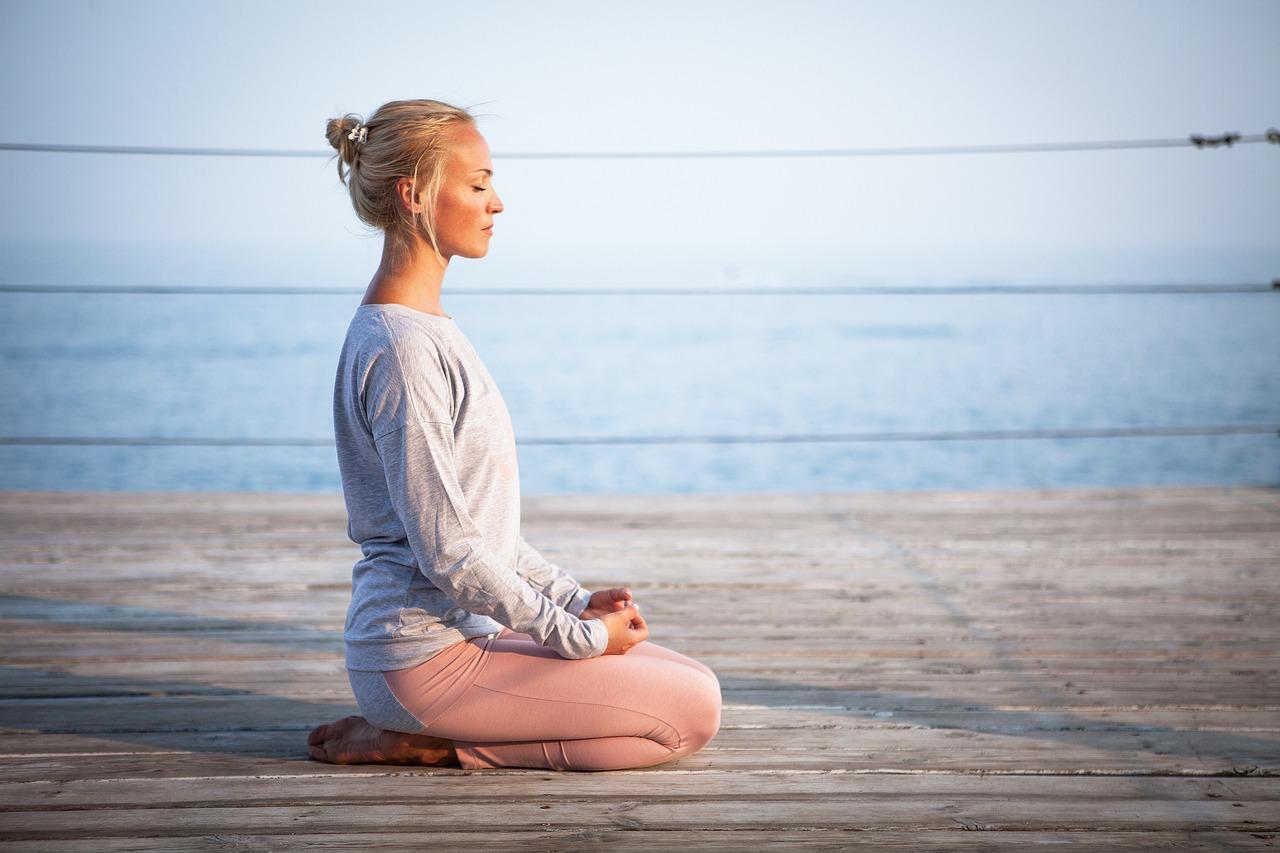
You don't need complicated positions. Sit comfortably with your back straight, breathe in through your nose and exhale gently through your mouth . Focus on the air going in and out.
With each inhale, repeat a short, positive phrase (e.g., "I relax," "I am capable"), and as you exhale, mentally release what you don't need ("out with stress," "I release anxiety"). Ten minutes a day works wonders.
Mindfulness or mindfulness
The idea is to train your attention in the present moment without judgment. In class, observe the shape of the window, the scratching of the pencil, the rustling of paper . Or practice using your breath as an anchor.
This approach cuts through rumination because if your attention is focused on what's happening now, it doesn't feed the mental "alarm ." Start with 3-5 minutes and gradually increase the time.
body scan
With your eyes closed, scan your body as if a light were slowly descending from the crown of your head to your feet (or vice versa), pausing to notice sensations without changing them.
If you feel tension, gently relax that area with a slightly longer exhalation . Finish with three deep breaths and open your eyes gently.
“Quick” anchoring relaxation
To be used several times a day. Choose a frequently seen object (for example, your water bottle) and, each time you see it, take 3-4 deep breaths, relaxing your shoulders and jaw.
This repeated micro-habit installs a calming reflex that you can activate in seconds , perfect before starting to study or when sitting down for the exam.
Yoga, stretching and physical activity
Mindful movement helps regulate arousal. A yoga class (live or with a tutorial) improves body awareness and reduces tension , as well as promoting concentration.
If yoga isn't your thing: take a walk outdoors, practice tai chi or Pilates, or do a short routine of neck and shoulder stretches (gently turn your head from side to side and perform controlled bends; avoid straining). Exercise releases endorphins, your stress-relieving ally.
Relaxing music
Chosen thoughtfully, music improves concentration and mood . Use it to accompany breathing exercises, visualizations, or study sessions with minimal text.
Make sure it's instrumental and without lyrics that you can understand; this will prevent your mind from getting "hooked" on following the song instead of the subject matter.
Hydrotherapy, aromatherapy, massage and biofeedback
Additional benefits include: a warm shower or bath relaxes the muscles and prepares you for sleep , and a massage releases tension points.
Aromatherapy (e.g., lavender) plays a subjective role; if you find it pleasant and it doesn't distract you, it can be integrated into your routine . Biofeedback, with a professional, teaches you to regulate bodily signals (breathing, pulse) with real-time feedback.
Affirmations to calm the mind
Inner dialogue matters. Repeating kind and realistic phrases in the morning and before bed trains self-compassion and combats self-sabotage.
Examples: “I am learning and improving every day,” “today I am giving my all,” “I am capable of facing this exam .” Write them down and put them where you will see them.
Digital supports that help
Some tools make consistency easier. Apps and channels with guided breathing and meditation exercises can support you daily.
Familiar options: Headspace and Calm offer introductory resources , and podcasts like "This is Mindfulness" share exercises for being in the present moment. Use them as a guide, always prioritizing what feels right for you.
When to use them and what to keep in mind
You don't have to be "in terrible shape" to practice; they're also preventative and helpful during periods of high stress . It's advisable to prioritize them when you notice persistent anxiety affecting your quality of life.
Typical times to use these techniques include several days of interfering nerves, exam periods, bereavement, academic stress, or family problems . If bullying or conflict is present, combine these techniques with measures to stop the situation and seek support.
Frequency and duration: 1-2 times a day, 10-15 minutes, works very well . If possible, practice after waking up or before going to sleep, in a quiet place, wearing comfortable clothes, and without interruptions.
Warning signs: In people with trauma or serious mental health problems, some practices can stir up emotions . If you feel unwell, stop and consult your healthcare professional (counselor, psychologist, or doctor).
And if, despite your efforts , nothing seems to alleviate the stress, seek professional help without waiting for the next exam . Sometimes a couple of guidance sessions make all the difference.
Study tips that reduce stress (and multiply the effect of your techniques)
Organization first. Plan in realistic blocks, alternating 45-50 minute study sessions with 5-10 minute breaks , and leave gaps for review. Order reduces anxiety.
Take care of your environment: minimize noise and distractions near your study space . If you can't, use earplugs or soft white noise. Adequate lighting and a comfortable chair also reduce stress.
Before you begin, take 2-3 deep breaths and briefly relax your shoulders and hands . During the exercise, try micro-stretches and return to your breathing when you feel your heart racing.
During the exam itself: practice the 4-2-6 breathing technique for 30-60 seconds while reading the instructions . Visualize yourself answering calmly and clearly. If you get stuck, breathe and start with a question you know well.
Restructure your thoughts: avoid overthinking the test (“my life depends on this”). Remember the concept of eustress: a little activation helps you perform . When an overwhelming thought arises, say “STOP” and redirect it to something useful (e.g., “What’s the next step?”).
Lifestyle: Getting enough sleep, eating a balanced diet, and moving around every day stabilizes your nervous system and makes the techniques more effective. A walk in the fresh air is a simple yet powerful antidote.
Resources and support: If you're motivated, subscribe to reliable newsletters or guides on stress management and consult quality materials. There are even general medical reference works on pain and tension relief that, while not study-specific, teach useful principles for stress management.
With consistent practice, these techniques become automatic responses that bring you back to your center when your nerves are on edge . Your performance improves because your mind and body learn to cooperate instead of fighting each other.

Table of Contents
- 1 What are relaxation techniques in the study?
- 2 Benefits you can expect
- 3 Step-by-step techniques (and how to adapt them to your studies)
- 3.1 Diaphragmatic or abdominal breathing
- 3.2 Listen to your breathing
- 3.3 Jacobson progressive muscle relaxation
- 3.4 Koeppen Technique (fun version for teenagers)
- 3.5 Schultz autogenic training
- 3.6 Visualization or guided imagination
- 3.7 Simple meditation with mantra
- 3.8 Mindfulness or mindfulness
- 3.9 body scan
- 3.10 “Quick” anchoring relaxation
- 3.11 Yoga, stretching and physical activity
- 3.12 Relaxing music
- 3.13 Hydrotherapy, aromatherapy, massage and biofeedback
- 3.14 Affirmations to calm the mind
- 3.15 Digital supports that help
- 4 When to use them and what to keep in mind
- 5 Study tips that reduce stress (and multiply the effect of your techniques)