- Sustainable consumption balances environmental, social, and economic impact throughout the entire life cycle of products and services.
- It involves moving from a use and discard model to one based on repair, reuse, proximity and waste reduction.
- The future Sustainable Consumption Law will strengthen the right to repair, transparent labeling and the fight against planned obsolescence.
- The everyday decisions of consumers are crucial in promoting more responsible production and consumption models.
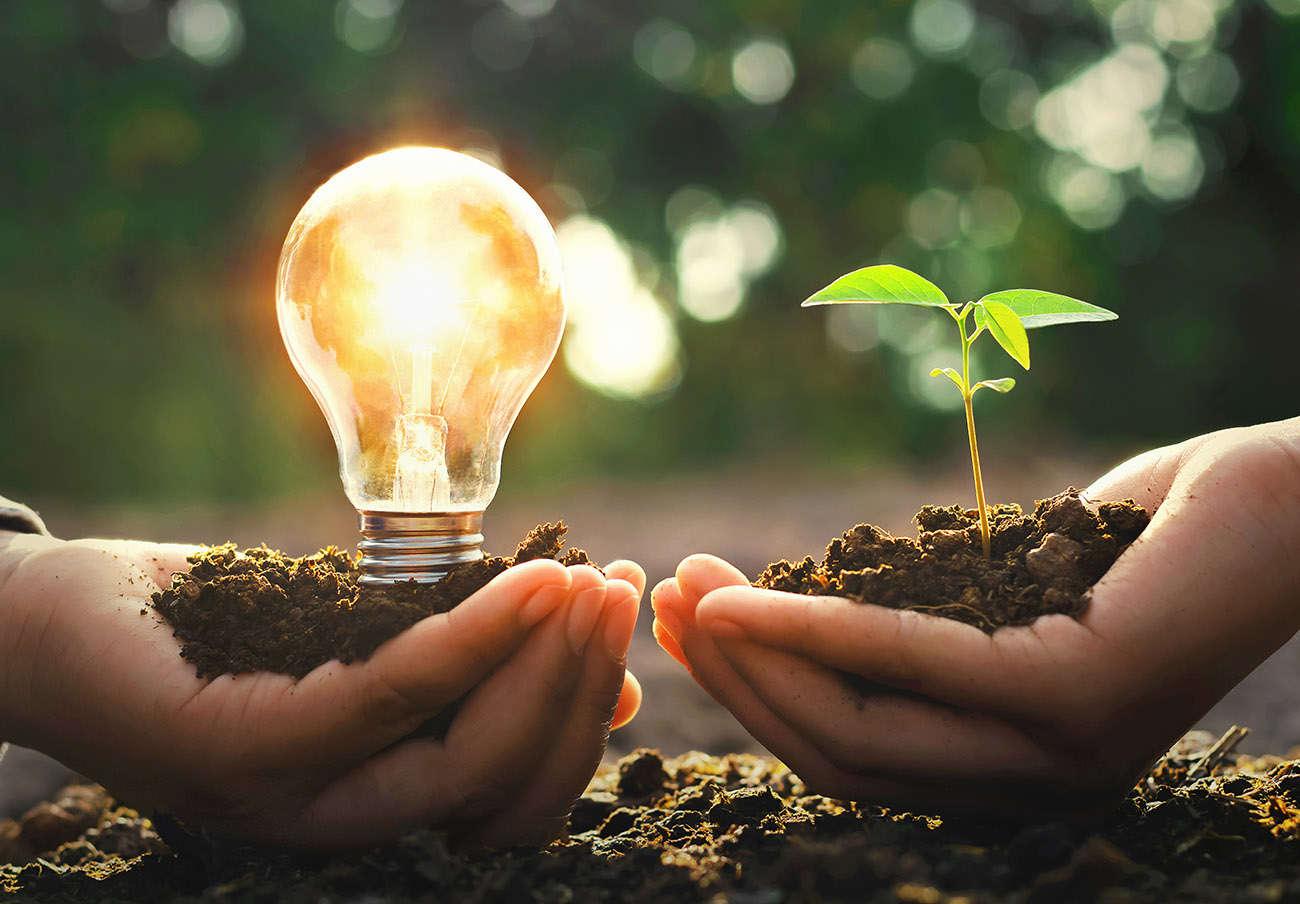
Sustainable consumption has become one of the major issues of our time : every purchase we make, every product we use and discard, leaves a mark on the planet and on society. With a growing population, limited resources, and an increasingly unstable climate, we can no longer look the other way; it's time to rethink how we live and what consumption model we want to support.
Far from being a passing fad or something reserved for very "eco-conscious" people , sustainable consumption and production are a key part of the international agenda. They form part of the United Nations Sustainable Development Goals (specifically SDG 12) and are being integrated into laws such as the upcoming Sustainable Consumption Law in Spain. Understanding what we're talking about, what it means in practice, and what role we play as consumers is essential for making informed choices.
What is sustainable consumption and how does it differ from traditional consumption?
When we talk about sustainable consumption, we're referring to a way of consuming that seeks to meet our needs without depleting the planet's resources or violating human or labor rights. It's not just about buying less, but about buying better, integrating environmental, social, and economic criteria into every decision.
Responsible or conscious consumption involves asking ourselves the whole story of what we buy : who produced it, under what conditions, with what materials, what impact it has on the environment, how long it will last, whether it can be repaired or recycled, and what will happen when it is no longer useful to us. It is an approach that tries to "do more and better with less," decoupling economic growth from environmental degradation.
In contrast to the "use and discard" model based on overproduction and accelerated consumption , sustainable consumption focuses on extending the useful life of products, reducing waste, making the most of materials, and promoting a circular economy where what is waste today can become a resource tomorrow.
The UN defines sustainable consumption as the use of goods and services that meet basic needs and improve quality of life, minimizing the use of natural resources, toxic substances and the generation of waste and polluting emissions throughout the product's life cycle, without jeopardizing the possibilities of future generations.
For a product, service, or business model to be truly sustainable , it must balance three dimensions, often represented as three overlapping circles: environment, society, and economy. The intersection of these three dimensions results in true sustainability.
The environmental pillar focuses on the responsible and efficient use of natural resources : water, energy, soil, forests, minerals, biodiversity… This includes issues such as reducing the ecological footprint, minimizing waste and emissions, opting for renewable energies and promoting the circular economy, where materials are kept in use for as long as possible.
The social pillar relates to respect for human and labor rights throughout the entire value chain : decent working conditions, fair wages, job security, gender equality, absence of child labor, as well as support for local communities through local consumption and the guarantee of equitable access to essential goods and services.
The economic pillar focuses on long-term viability and value creation , promoting business models that integrate sustainability into their strategy: more durable and efficient products, less resource-intensive production processes, innovation in materials and services, and a vision that prioritizes future stability over quick profit.
If one of these pillars fails or is severely weakened, we cannot speak of complete sustainability . A product can be environmentally friendly but manufactured in violation of labor rights, or highly ethical from a social perspective but designed to have a short lifespan and generate uncontrolled waste. Sustainable consumption seeks that delicate balance between these three pillars.
Limited resources and types of resources: why our consumption is limited
Much of the current problem lies in the fact that we consume as if the planet's resources were infinite , when in reality many of them are finite or regenerate very slowly. The consumer goods we use daily depend on plant, animal, mineral, water, and energy resources that have physical limits.
Non-renewable resources, such as certain minerals or fossil fuels , cannot regenerate at the rate at which we consume them. Once extracted and used, they are either depleted or so costly to recover that, in practice, they cease to be a viable option. Their overexploitation drives up the price of raw materials and jeopardizes access for future generations.
Even renewable resources, such as freshwater, forests, or certain fishing grounds , have a limited capacity for regeneration. If we use them beyond that rate, they degrade or collapse. Sustainable consumption emphasizes using renewable resources within their renewal capacity, avoiding squeezing them beyond what nature can sustain.
This pressure on resources translates into very concrete impacts : loss of biodiversity, deforestation, depletion of aquifers, pollution of soils and oceans , increased waste, climate change… All of this also has social and economic consequences, such as increased product prices, conflicts over water, or forced migrations.
Sustainable development, life cycle and sustainable products
The concept of sustainable development was popularized by the UN's Brundtland Report in 1987 , which defined it as development that meets the needs of the present without compromising the ability of future generations to meet their own needs. This idea is closely linked to environmental science and the way we produce and consume.
When we talk about sustainable goods and products, it's not enough to focus solely on the point of purchase . It's necessary to analyze the entire product lifecycle: from obtaining raw materials, transportation, manufacturing, packaging, and distribution, to use, maintenance, and what happens afterward (reuse, recycling, recovery, or final disposal).
Each of these phases has environmental, social, and economic impacts that can be measured and reduced . Many companies use life cycle assessments (LCAs) to evaluate whether it is worthwhile to bring a product to market, especially those with ethical codes and social and environmental responsibility policies.
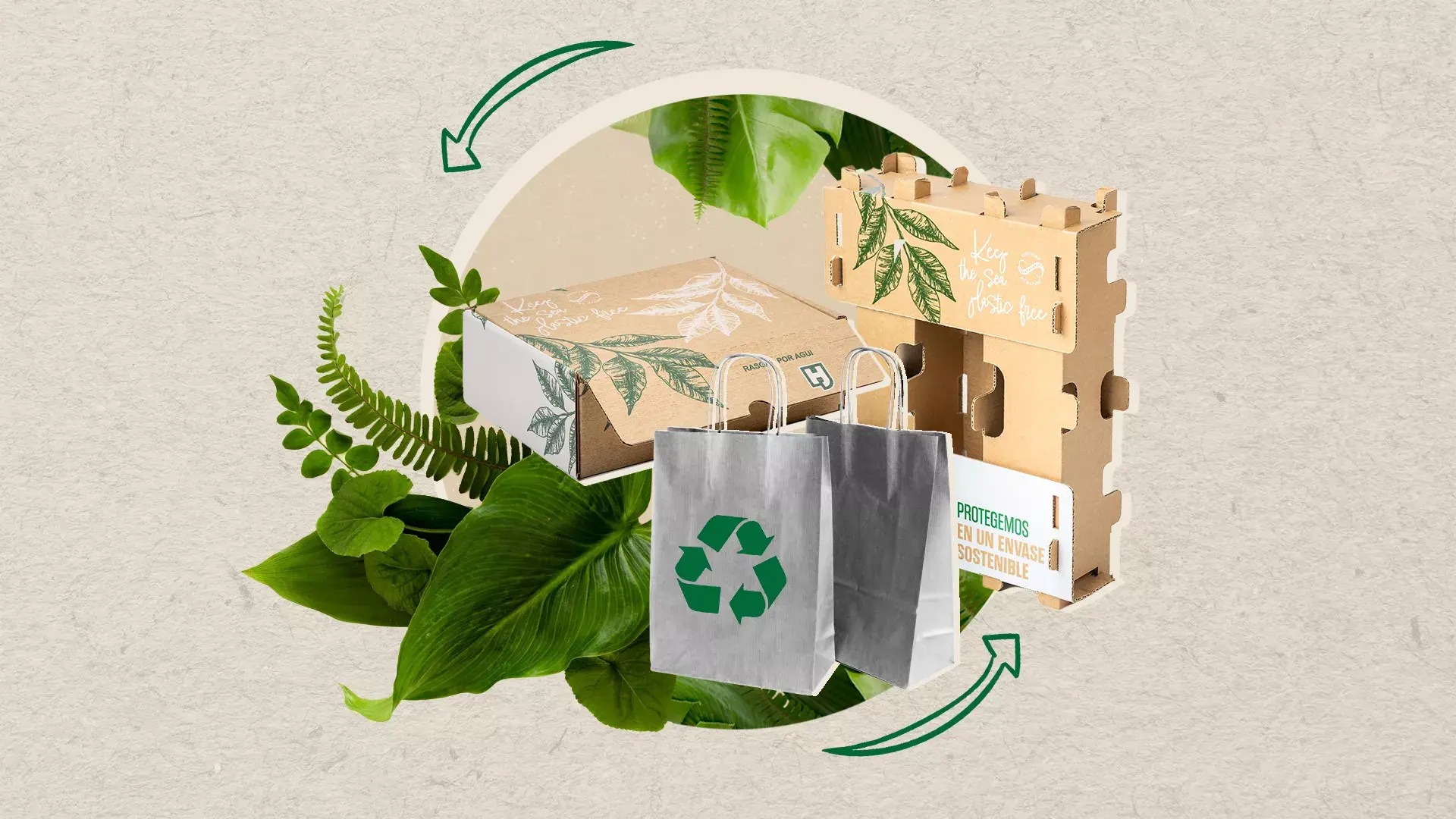
Sustainable products, therefore, tend to share certain key characteristics : they are designed to last, be repairable and efficient in the use of energy and materials; they use, where possible, renewable or recycled raw materials; they minimize packaging; and they facilitate their recycling or reuse at the end of their useful life.
However, the market presents a rather confusing landscape : labels such as "eco", "natural", "artisan" or "sustainable" are not always well regulated, there are many seals with very different meanings and, in some cases, companies themselves create tailor-made certifications to self-approve without independent control.
One of the major risks of the rise of sustainable consumption is so-called greenwashing , which occurs when a company exaggerates or outright fabricates its environmental commitment to appear more responsible than it actually is. They use "green" messages, images, or labels that don't reflect their real practices.
In addition to greenwashing, other types of reputational makeup have emerged : socialwashing, when a brand presents itself as highly committed to social causes without that commitment being reflected in its business model; feminismwashing, when it appropriates feminist discourses to sell more without applying equality in its own organization; or healthwashing, which presents products as "very healthy" without a solid basis.
For consumers, this presents a significant challenge : distinguishing which labels and certifications offer genuine guarantees and which are pure marketing. The key lies in being well-informed, comparing sources, being wary of overly vague messages, and prioritizing brands that provide concrete and verifiable data on their social and environmental impact.
Choosing local, seasonal, and regional products is often a more reliable strategy , as it reduces transportation-related emissions and makes it easier to understand traceability: where the product comes from, who produced it, and under what conditions. Asking questions, carefully reading labels, and not being swayed solely by advertising are basic steps in conscious consumption.
Sustainable consumption and production on the international agenda
Concern about sustainable consumption is not new, although it has gained much visibility in recent years . As early as 1992, at the United Nations Conference on Environment and Development (UNCED), the concept was included in Chapter 4 of Agenda 21, as part of the path towards more balanced development.
In 1994, the Oslo Symposium proposed one of the most cited definitions of sustainable consumption , focusing on the use of goods and services that satisfy basic needs and improve the quality of life by minimizing the use of natural resources, toxic materials and emissions throughout the product's life cycle, without compromising future needs.
From the mid-nineties onwards, the issue began to gain traction in various international organizations : in 1995 the UN Economic and Social Council promoted its inclusion in the Guidelines for Consumer Protection; in 1997 the OECD published a relevant report on sustainable consumption; and in 1998 the United Nations Environment Programme (UNEP) launched a specific program, also mentioned in UNDP reports.
In 2002, at the World Summit on Sustainable Development in Johannesburg , a ten-year program on sustainable consumption and production (SCP) was agreed, which later led to the so-called Marrakech Process, coordinated by UNEP and the UN Department of Economic and Social Affairs to advance international frameworks and actions.
At the same time, institutions and research centers have emerged that delve deeper into these issues , such as the Centre for Sustainable Production and Consumption or the Institute for Sustainable Consumption at the University of Manchester, launched in 2007 with significant private funding from the Tesco supermarket chain.
“Weak” and “strong” sustainable consumption: efficiency and changing habits
In academic and political debate, a distinction is often made between "weak" and "strong" approaches to sustainable consumption . The weak approach focuses primarily on improving efficiency: doing the same thing, but with fewer resources, thanks to technological innovation and eco-efficiency.
Technological improvements allow us to reduce the use of energy, water, or materials per unit of product , which is absolutely necessary. However, if the total volume of consumption continues to grow unabated, these improvements can be neutralized by the so-called "rebound effect": we save on the one hand, but end up using more things or consuming more services.
A strong focus on sustainable consumption goes a step further, proposing changes in consumption patterns and, where necessary, a reduction in consumption levels , especially in the most industrialized countries. It's not just about "consuming green," but also about questioning what we truly need and what kind of life we want to sustain.
This robust approach places great emphasis on the social dimension of well-being : quality of life is not necessarily synonymous with possessing more things, but rather with having basic needs met, enjoying leisure time, relationships, health, and healthy environments. Assessing long-term risks, both environmental and social, is a fundamental part of this perspective.
To move towards strong sustainable consumption, changes are needed both in infrastructure and in the choices of consumers : smart cities designed for sustainable travel, accessible repair systems, rental and second-hand alternatives, public policies that incentivize circular models… In many political debates, however, the weaker approach focused almost exclusively on efficiency still predominates.
The key role of consumers: the gap between attitude and behavior
In theory, citizens have a leading role to play in the transition to more sustainable consumption . Purchasing decisions could steer the market towards more responsible models: if the demand for ethical and ecological products increases, companies have more incentive to adapt.
However, numerous studies have detected a significant gap between what people say and what they actually do : many people declare themselves concerned about the environment or social justice, but that concern does not always translate into concrete changes in their consumption patterns.
The reasons for this attitude-behavior gap are varied : lack of time to find out, difficulty in comparing options, higher prices of certain sustainable products, information overload and mental effort to make each decision, inertia of habits, social pressure or lack of real alternatives in certain contexts.
Research such as that by Young and other authors has identified common barriers , such as the feeling that individual impact is insignificant, distrust of certain "green" messages, and the perception that sustainable consumption is complicated and expensive. Overcoming these barriers requires public policies, education, corporate transparency, and also cultural changes.
Habits and concrete examples of sustainable consumption in everyday life
Although the challenge is enormous, there are many everyday decisions we can adjust without having to change everything overnight . It's about gradually incorporating new habits, realistically, so they stick over time.
In the home
The home is one of the easiest places to make changes towards more responsible consumption . Adjusting heating and air conditioning to efficient temperatures (around 20-21ºC in winter and 24-25ºC in summer), improving insulation, and ventilating properly reduces both bills and emissions, and improves energy efficiency.
Using energy-efficient lighting, such as LED bulbs, and making a habit of turning off lights and appliances when not in use is another simple gesture with a significant cumulative impact. Avoiding standby mode on televisions, computers, and other devices also helps.
Repairing before replacing is one of the basic principles of sustainable consumption . Trying to fix appliances, mobile phones, furniture, or clothing (whether on your own, at technical services, or in collaborative repair shops) helps extend their lifespan and reduce electronic and material waste.
When it comes to water usage, small measures such as installing aerators on faucets, taking shorter showers, or preventing the water from running unnecessarily can significantly reduce consumption, as outlined in several water-saving tips . Reusing containers, jars, and other receptacles for new purposes also helps reduce the amount of waste we generate.
In shopping
Planning your shopping trips, both for food and other items, helps avoid impulse purchases that you'll hardly use. Going with a list, checking what you already have at home, and prioritizing what you really need is a good starting point; for example, consulting guides can help you do it more efficiently.
Choosing quality over quantity is usually a smart investment : more resistant and durable products, even if they cost a little more, reduce the need to constantly replace them and save money and resources in the medium term.
Choosing local and seasonal products reduces emissions associated with transportation and supports the local economy . A clear example is fruit: mangoes grown in Malaga will generally have a much lower transportation impact than those that have traveled from Brazil in refrigerated trucks that consume large amounts of energy.
Reducing unnecessary packaging is also key : opt for bulk products whenever possible, carry reusable bags, and avoid items with excessive packaging. At the same time, choosing brands with clear environmental and social commitments (robust certifications, transparency regarding their supply chain, emissions reduction targets, etc.) reinforces the demand for more responsible practices.
In transport and mobility
The way we get around has a huge impact on our environmental footprint . Prioritizing sustainable mobility , such as public transport, cycling, scootering, or simply walking for short journeys, reduces emissions and also improves our health.
When using a car is unavoidable, sharing a ride through carpooling services or with friends helps optimize journeys. Efficient driving (avoiding sudden acceleration, maintaining a moderate speed, checking tire pressure) also reduces fuel consumption.
The rise of remote work and hybrid models offers an opportunity to reduce daily commutes . Agreeing to certain days of remote work, when the position allows it, can lead to a significant reduction in emissions from regular transportation.
In feeding
Food is another area where small decisions add up to a lot . Planning weekly menus and adjusting your shopping to what you're actually going to eat helps reduce food waste, one of today's biggest problems.
Choosing fresh, seasonal, and locally sourced products reduces environmental impact and is generally healthier . Reducing the amount of ultra-processed foods in your shopping basket is good for both the planet and your personal health.
Incorporating more plant-based foods and moderating meat consumption, especially meat from intensive industrial sources , is one of the strategies most recommended by experts to reduce the carbon footprint and the use of resources such as water or soil.
Using leftovers to create new recipes and freezing what won't be consumed in the short term are simple practices that allow you to get the most out of food and prevent it from ending up in the trash while still in good condition.
Examples of responsible and irresponsible consumption
Clear examples of responsible consumption include actions such as using reusable bottles instead of buying bottled water daily, opting for second-hand clothing or clothing from brands with sustainability criteria, contracting electricity from renewable sources, or choosing appliances with high energy efficiency.
Other practices aligned with sustainable consumption include repairing electronic devices before replacing them , using collaborative economy applications to share or rent instead of buying, or planning meals to avoid food waste.
On the other hand, examples of irresponsible consumption include impulse buying things that will hardly be used , throwing away perfectly good food, changing your mobile phone just to have the latest model, or abusing single-use products such as disposable cups and cutlery.
Other common but unsustainable behaviors include leaving lights on unnecessarily , keeping devices on standby for hours, forgetting to turn off the tap, or not properly separating waste, especially the most dangerous items such as batteries, electronic devices, or expired medications.
Practical steps to move towards a sustainable consumption model
Beyond the examples above, there are a number of very specific measures that help to change the model . One of the main ones is to abandon the "use and discard" mentality and extend the life cycle of household appliances and electronic devices as much as possible, resorting to repair whenever feasible.
Reusing and giving a second life to all kinds of goods that allow it (furniture, clothing, packaging, DIY materials, etc.) is at the heart of the circular economy. The secondhand market and exchange platforms facilitate this reuse.
Choosing products made from recyclable materials and with minimal packaging reduces pressure on virgin resources and simplifies waste management. Buying quality items, even if it involves a larger initial outlay, usually pays off in the long run, both economically and environmentally.
Proper waste separation and disposal is equally essential . Placing each material in its corresponding container (organic waste, packaging, paper and cardboard, glass, general waste) facilitates recycling. For special waste such as batteries, electronic devices, or expired medications, taking them to recycling centers, ecoparks, or specific collection points like SIGRE collection points at pharmacies prevents serious damage to ecosystems.
Finally, giving preference to less polluting means of transport and reducing the use of private cars when reasonable alternatives exist, as well as supporting brands that demonstrate a clear commitment to reducing emissions and sustainable practices in their production, are additional steps to align our lifestyle with more conscious consumption.
The future Sustainable Consumption Law in Spain
Alongside individual changes, public policies are beginning to take action . In Spain, the draft Sustainable Consumption Law aims to adapt the legal framework to the current challenges of climate change, overproduction, biodiversity loss, and a lack of transparency in many business practices.
This regulation incorporates two key European directives : the Consumer Empowerment for the Green Transition Directive and the Right to Repair Directive. The common objective is to strengthen consumer rights and promote more durable, repairable, and transparent products.
The law aims to reduce waste, the extraction of raw materials, and emissions associated with mass production , promoting repair over disposal. It will also limit communication practices that reinforce fossil fuel-intensive models, such as advertising for these fuels and vehicles that run exclusively on them.
It also contemplates restrictions on advertising short flights when there are less polluting alternatives whose duration does not exceed two and a half hours more than that of the plane, and addresses other consumer protection issues, such as controlling abusive price increases in the resale of tickets to cultural or sporting events or requiring that information be clearly provided about "reducflation", that is, when the quantity of product decreases but the price remains the same.
The draft bill was approved by the Council of Ministers on July 1, 2025, and it is expected that, after its passage through Parliament and the business adaptation periods, it could come into force sometime during 2026, although this will depend on the final legislative schedule.
Central objectives of the Sustainable Consumption Law
The proposed law aims to transform the dominant consumption model , heavily based on a throwaway culture, into one that is more environmentally friendly and socially just. To achieve this, several key objectives have been established.
First, strengthen consumer protection by ensuring that people have clear and reliable information on product durability, repairability, access to repair and maintenance services, and broader and more effective legal guarantees.
Secondly, to promote the circular economy and alternative business models , favoring reuse, repair rather than replacement, the design of more durable and recyclable products, as well as the rise of formulas such as rental, refurbishment or second-hand sales.
Another key objective is to combat planned obsolescence . The regulation will expressly prohibit designing products to fail prematurely, require manufacturers to guarantee the availability of spare parts for several years, and facilitate access to technical services and repair manuals. It will also prevent the concealment of relevant information about software updates that impair a device's functionality or the presentation of such updates as essential when they are not.
The law also promotes much clearer labeling of the environmental and social impact of products , in line with European initiatives such as the Digital Product Passport. It is expected to include information on carbon footprint, labor conditions in production, recycled content, and recycling possibilities, among other relevant data.
Finally, it aims to foster a more conscious and responsible consumer culture through information campaigns, educational programs in schools, and support for local projects that promote sustainable practices. The idea is to equip citizens with more tools to challenge greenwashing or "fear-mongering" messages that manipulate emotions to encourage unnecessary purchases.
How will the Sustainable Consumption Law affect consumers?
The new law places consumers at the center as agents of change . It will provide them with more information, more rights, and greater power to influence the types of products offered on the market.
One of the most significant changes will be access to key data before purchase : the estimated lifespan of products, their repairability (ease of repair, parts availability, etc.), and their environmental and social impact will be indicated. This will allow for a more informed comparison of alternatives.
The right to repair will also be strengthened , attempting to break with the logic that it is cheaper to buy new than to repair. Manufacturers will be required to offer spare parts and technical assistance for a longer period, and repair will be prioritized over replacement under warranties.
Legal guarantees will be extended, potentially reaching up to five years in certain cases , which will incentivize companies to design more durable products. At the same time, the new mandatory labeling will more transparently demonstrate the durability, repairability, and environmental and social performance of each item.
With these tools, citizens will be better positioned to demand transparency and consistency from brands , avoiding falling for deceptive practices such as greenwashing or alarmist advertising that exploits fear. Supporting companies that are already committed to quality, eco-design, and social responsibility will help spread a consumption model more aligned with the planet's limits.
Sustainable consumption, in short, combines personal changes, more demanding legal frameworks and a profound business transformation ; it is not an all or nothing thing nor something reserved for a few, but a progressive path in which every decision - from fixing an appliance to choosing a local product with less packaging - adds up so that our current well-being is not built at the expense of the future of those who come after us.
Table of Contents
- 1 What is sustainable consumption and how does it differ from traditional consumption?
- 2 The three pillars of sustainability: environmental, social, and economic
- 3 Limited resources and types of resources: why our consumption is limited
- 4 Sustainable development, life cycle and sustainable products
- 5 Greenwashing, socialwashing and other image "washing"
- 6 Sustainable consumption and production on the international agenda
- 7 “Weak” and “strong” sustainable consumption: efficiency and changing habits
- 8 The key role of consumers: the gap between attitude and behavior
- 9 Habits and concrete examples of sustainable consumption in everyday life
- 10 Practical steps to move towards a sustainable consumption model
- 11 The future Sustainable Consumption Law in Spain
- 12 Central objectives of the Sustainable Consumption Law
- 13 How will the Sustainable Consumption Law affect consumers?
