- The teacher acts as a facilitator bridge between knowledge and the student, prioritizing active listening and personalized learning.
- Pedagogical mediation requires a teaching profile capable of fostering self-management, self-regulation, and critical thinking in the student.
- The process is based on five key dimensions: psychological, philosophical, political, pedagogical, and technological.
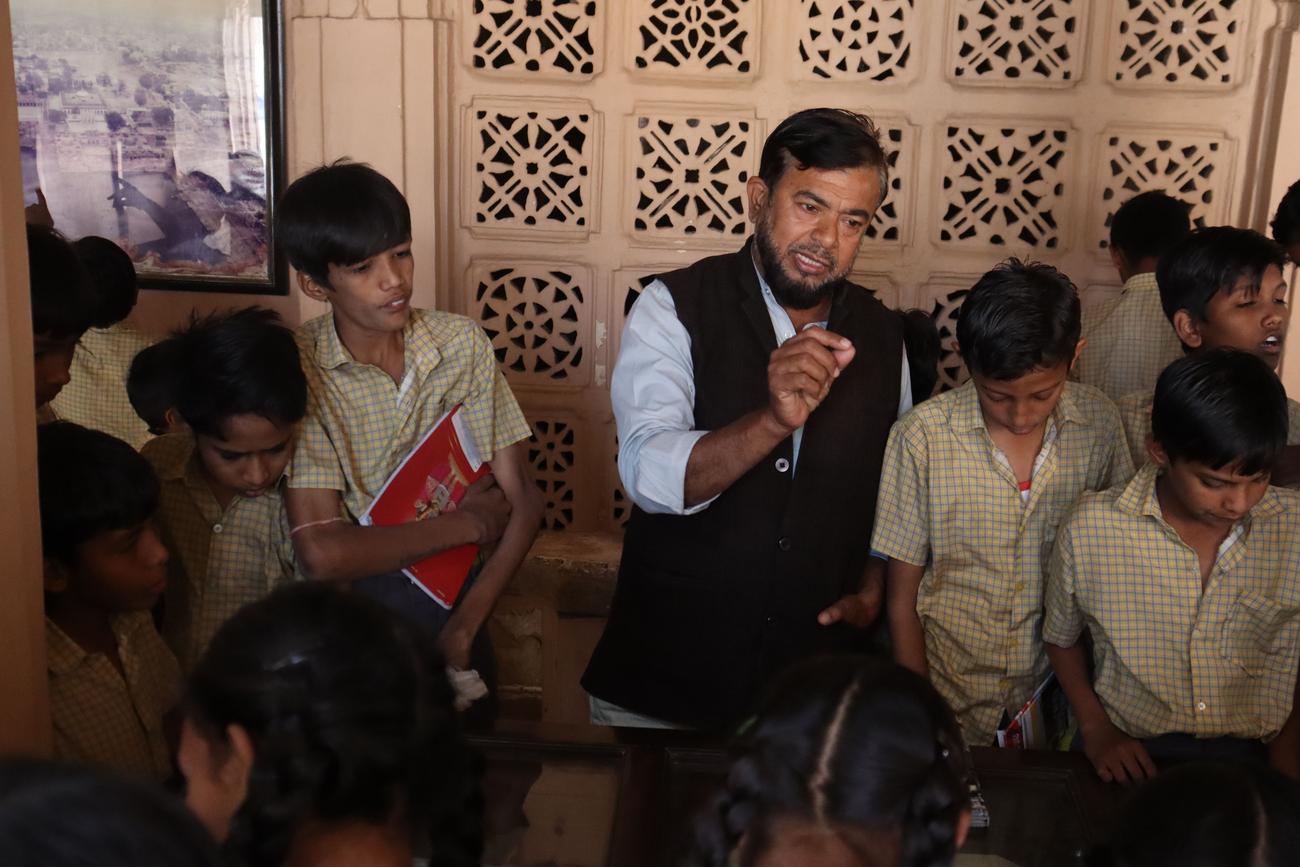
When we talk about teacher mediation, we're not simply referring to giving a lecture and that's it, but rather to the art of building bridges between the student and knowledge. It's essentially the teacher's ability to make knowledge not something distant or boring, but a useful tool that the student can integrate into their own life and context.
For this to work, the teacher must stop being the center of the educational universe and become a guide who accompanies the learning process . It's not just about delivering facts, but about understanding the student, their motivations, and helping them discover how to learn for themselves, transforming the classroom into a space where coexistence and respect are the norm.
The role of the teacher as an active mediator
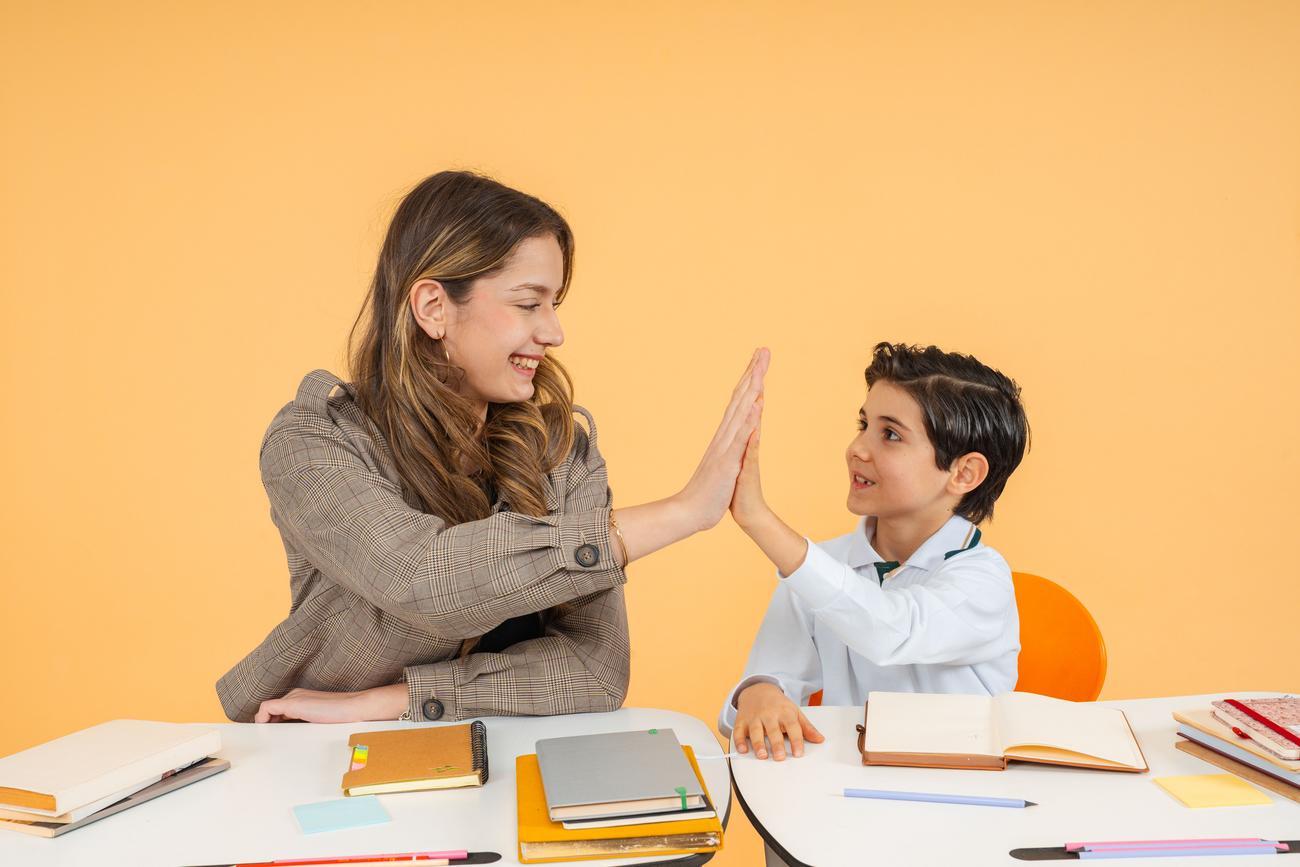
The teacher who chooses to mediate fully understands the student's perspective to establish genuine and effective communication . This involves truly listening, not just hearing, in order to offer constructive feedback. By applying diverse pedagogical strategies, the teacher ensures that the content is tailored to each student's needs, making learning meaningful and personalized , and moving away from the industrial model of teaching the same thing to everyone.
This mediating role acts as a vital connector between what the student already understands and what they still don't know, linking their personal experiences with complex theoretical concepts. Ultimately, the goal is for the student to develop a critical perspective on their environment , understanding their reality in a much deeper and more mature way.
What does pedagogical mediation really consist of?
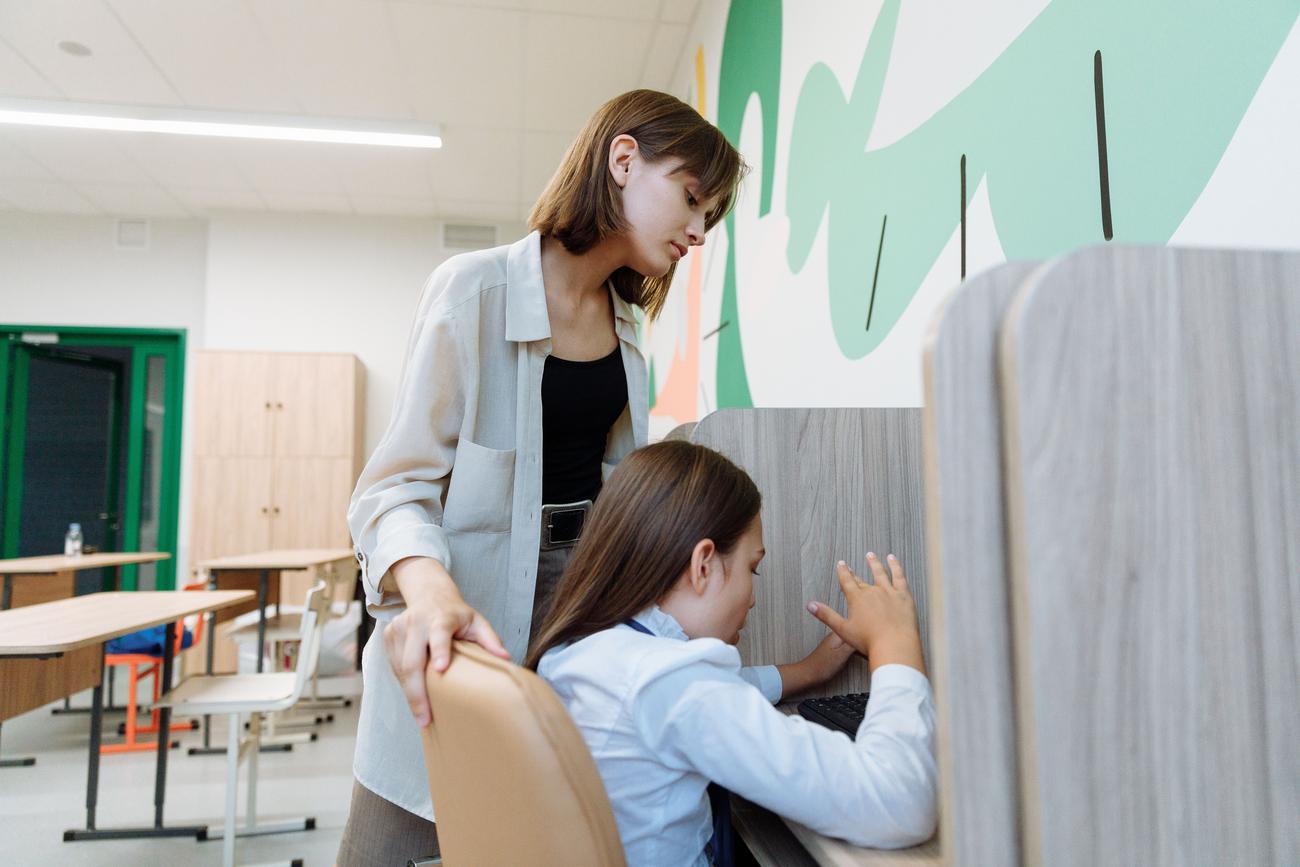
This methodology is a total commitment to human development, both for the teacher and the learner. It moves away from rigid education to embrace a humanistic vision of teaching , which requires the teacher to evolve and adopt a much more versatile and dynamic profile.

For a teacher to be a top-tier mediator, they need to possess several key qualities:
- Un solid domain of matter which he teaches, but without that preventing him from being flexible.
- The spark needed to design teaching strategies that work In the real world.
- The ability to leverage students' experiences and perspectives to enrich the class.
- The talent to pose challenges that spark curiosity, encouraging the student to be able to manage your own progress and evaluate oneself.
The five fundamental pillars of mediation
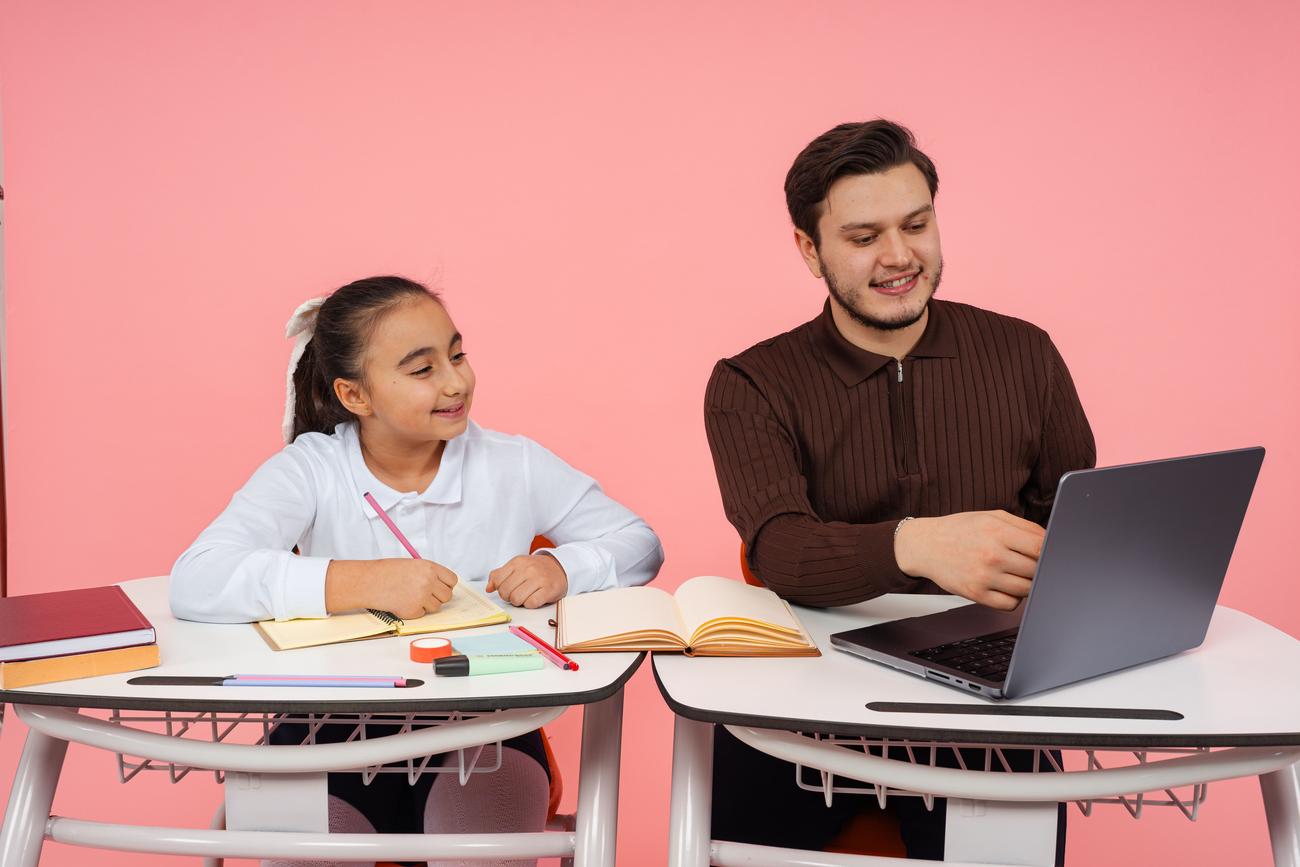
To ensure that mediation doesn't remain just empty words and translates into action, it's necessary to address five different fronts that allow us to reconfigure the way knowledge is transmitted:
First, we have the psychological aspect , where motivation and basic psychology and its processes come into play . If the student is not motivated or does not understand how they learn, the mediation falls short; that's why it's vital that communication be relevant and stimulating.
Then there is the philosophical approach , which encourages us not to take anything for granted. It aims to foster critical reflection where learning is the central focus and teachers dare to question their own curricular practices in order to improve them.

The political component is perhaps one of the most powerful, as it understands that education is, in essence, a political act. The goal here is to empower students to become free and engaged citizens , capable of respecting the common good and striving for their own emancipation from within the classroom.
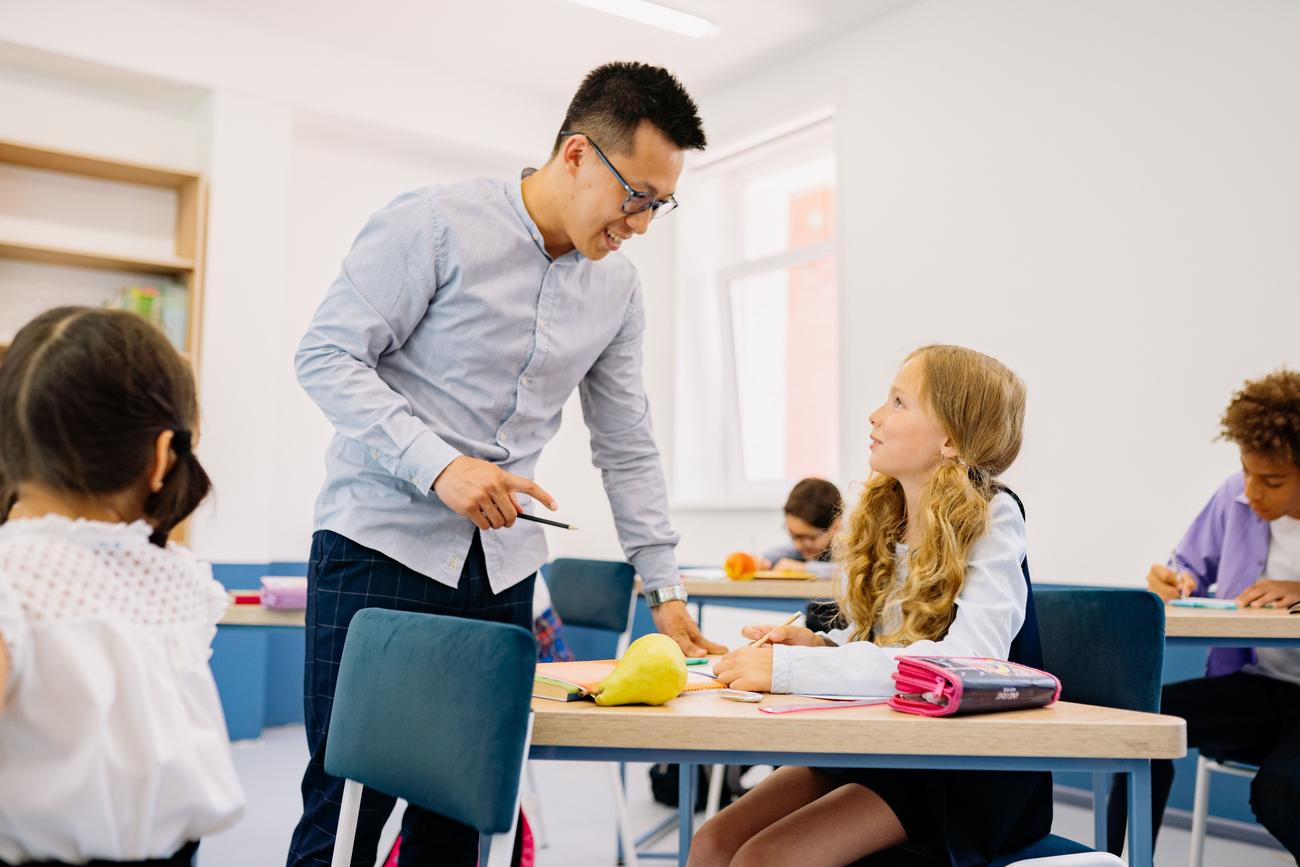
From a pedagogical standpoint , the aim is to break down the barriers between disciplines. This involves using aesthetics and interactive communication to facilitate the educational process, always respecting the biological and natural well-being of the participants.
Finally, technological support should not be seen as an end in itself, but as a means to an end. The intelligent use of digital tools allows for more dynamic classes and the creation of more engaging communication channels , enabling knowledge to reach students in a more fluid and modern way.
The integration of all these dimensions ensures that teacher training has a positive impact, especially in the final stages of the professional career, ensuring that education is an engine of social transformation based on healthy coexistence and the training of skilled mediators.