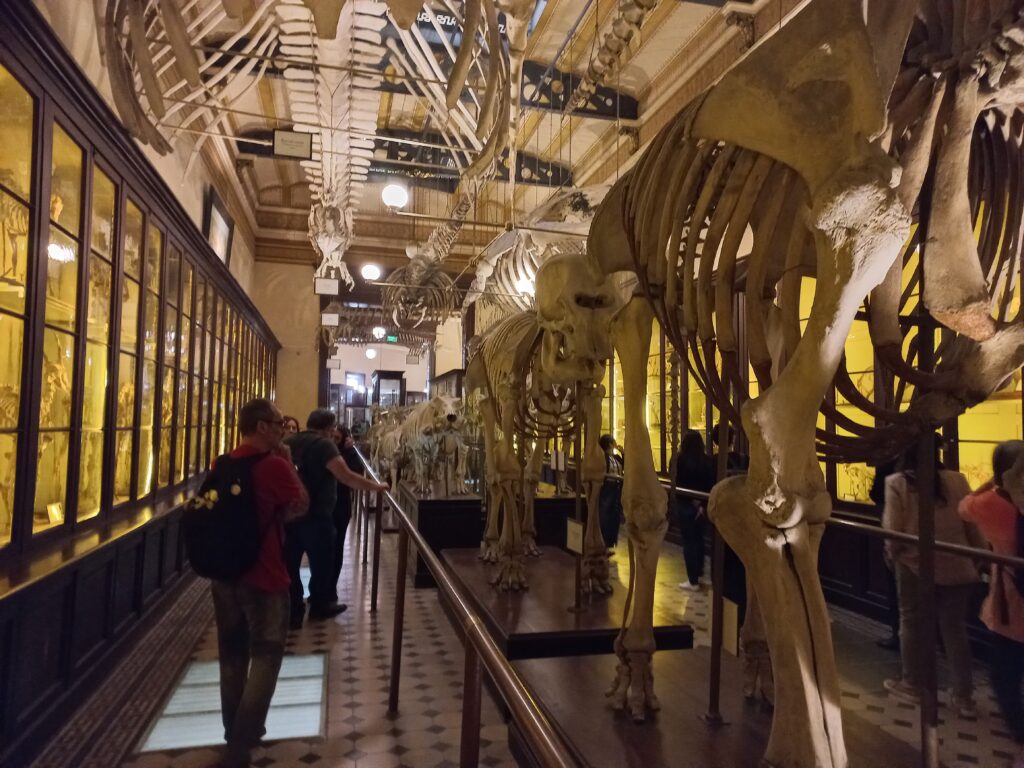
Bones are much more than just rigid structures in our bodies. They are living, dynamic, and complex organs that play a crucial role in our health and well-being. And this is where osteology comes in, the branch of anatomy dedicated to the in-depth study of these incredible components of our skeleton.
Have you ever wondered how your bones really work? Or why they're so strong yet so light? Osteology has all the answers, and I assure you they're much more interesting than you can imagine.
Osteology is the science that studies the structure, function, and diseases of bones . But make no mistake, it's not just about memorizing names and locations. Osteologists delve into a fascinating world where every bone tells a story.
These professionals analyze everything from the chemical composition of bones to their development throughout life. They investigate how bones adapt to the forces they endure, how they repair themselves after a fracture, and even how they change with age or certain diseases.
Bones: much more than just a framework
You probably think of bones as the skeleton that supports your body, right? Well, prepare to be surprised, because they are much more than that . Bones are:
1. Blood cell factories: Inside, the bone marrow produces red and white blood cells and platelets.
2. Mineral warehouses: They store calcium and phosphorus, essential for many bodily functions.
3. Protectors of vital organs: The skull, rib cage and spine are natural shields.
4. Levers for movement: They work together with the muscles to allow us move with precision.
The osteologist's tools
Osteologists don't just look at bones with the naked eye. They use a wide range of techniques and technologies to unravel the secrets of our skeleton:
X-rays and CT scans: To see the internal structure without surgery.
Bone densitometry: They measure mineral density and help to diagnose diseases such as osteoporosis.
electron microscopy: Reveals the microscopic structure of the bones.
Biochemical analysis: They study bone composition and metabolism.
Osteology is not limited to the medical field. Its applications are surprisingly varied:
Archaeology and forensic anthropology : Bones are living historical archives . An osteologist can determine a person's age, sex, height, and even diseases from their skeletal remains. This is crucial in criminal investigations and archaeological studies.
Prosthesis design : A deep understanding of bone structure and biomechanics allows for the creation of more effective and durable implants.
Sports medicine : Osteologists work with athletes to prevent injuries and optimize their performance by analyzing the density and strength of their bones.
Bone diseases: the battlefield of osteology
Osteology plays a crucial role in the diagnosis and treatment of numerous diseases that affect our bones:
Osteoporosis: A condition that weakens bones, making them more prone to fractures.
Imperfect osteogenesis: A genetic disorder that causes extremely fragile bones.
bone cancer: Tumors that originate in bone tissue or spread to it from other organs.
Arthritis: Although it mainly affects the joints, it also impacts bone health.
Osteologists work tirelessly to develop new treatments and diagnostic techniques for these and other bone diseases.
Osteology is constantly evolving, and the future promises fascinating advances:
3D bioprinting : Imagine being able to print custom bones to replace damaged ones. Promising experiments are already underway in this area.
Gene therapy : Correcting genetic defects that cause bone diseases could be a reality in the not-too-distant future.
Nanotechnology : Microscopic devices could repair and strengthen bones from within.
As you can see, osteology is a fascinating and constantly evolving field. From diagnosing diseases to solving historical mysteries, osteologists play a crucial role in our understanding of the human body and its history.
So the next time you move, consider all the science behind that simple gesture. Your bones are much more than just support structures: they're masterpieces of natural engineering, and osteology is the key to unlocking all their secrets.
What do you think? Has anything you've read about osteology surprised you? Is there a particular aspect you'd like to learn more about? Don't hesitate to share your thoughts and questions. After all, we all have a little osteologist inside, don't you think?
