- The estrangement between adult children and parents is usually the result of years of conflict, abuse, ignored boundaries, and clashes of values, not a one-off argument.
- Studies show that family estrangement is more common than it seems and that children and parents perceive the causes and previous conversations very differently.
- Although breaking the bond generates pain and guilt, many people experience relief and greater psychological well-being when they move away from harmful family dynamics.
- Truly listening, admitting mistakes, respecting boundaries, and seeking professional help are key to any attempt to repair the relationship without perpetuating the damage.
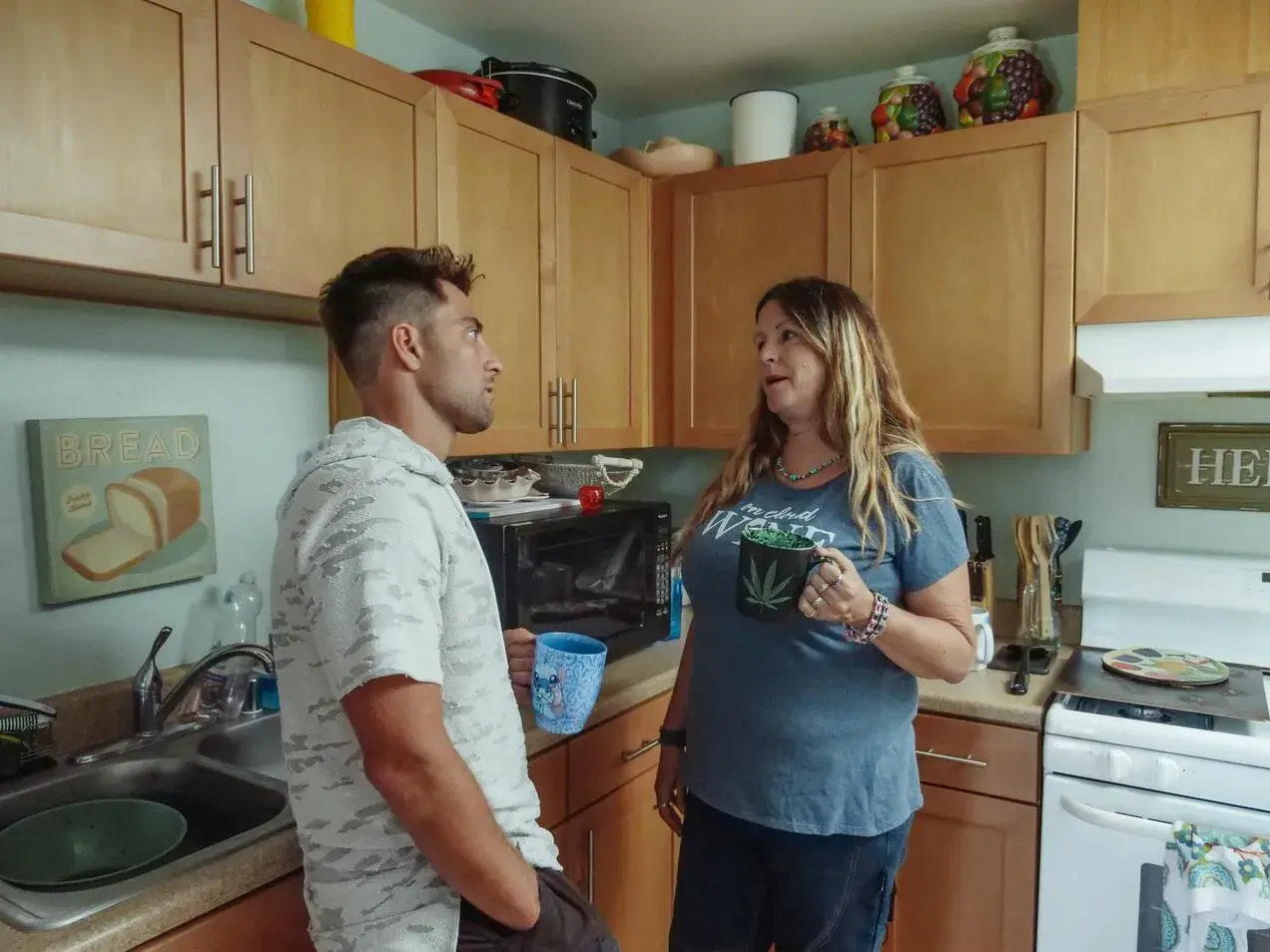
The idyllic image of the family united forever clashes head-on with an increasingly visible reality: there are adult children who decide to stop speaking to their parents . What for many is inconceivable—breaking contact with the person who raised you, fed you, and was there for you in your early years—is, for others, the only possible way to protect their mental health and put an end to harmful dynamics that have persisted since childhood and are rooted in the family and sociocultural context.
This topic has gone from being an almost unmentionable taboo to occupying space in the media, social networks, books, therapy sessions , and debates about the idea that raising children is not the same as instructing them . Actors, writers, content creators, and thousands of anonymous people have begun to share how one day they stood their ground and severed ties with one or both parents. Behind this, there is usually not a single outburst, but rather years of conflict, abuse, disrespect for boundaries, or such profound clashes of values that the relationship becomes untenable.
A phenomenon more common than it seems
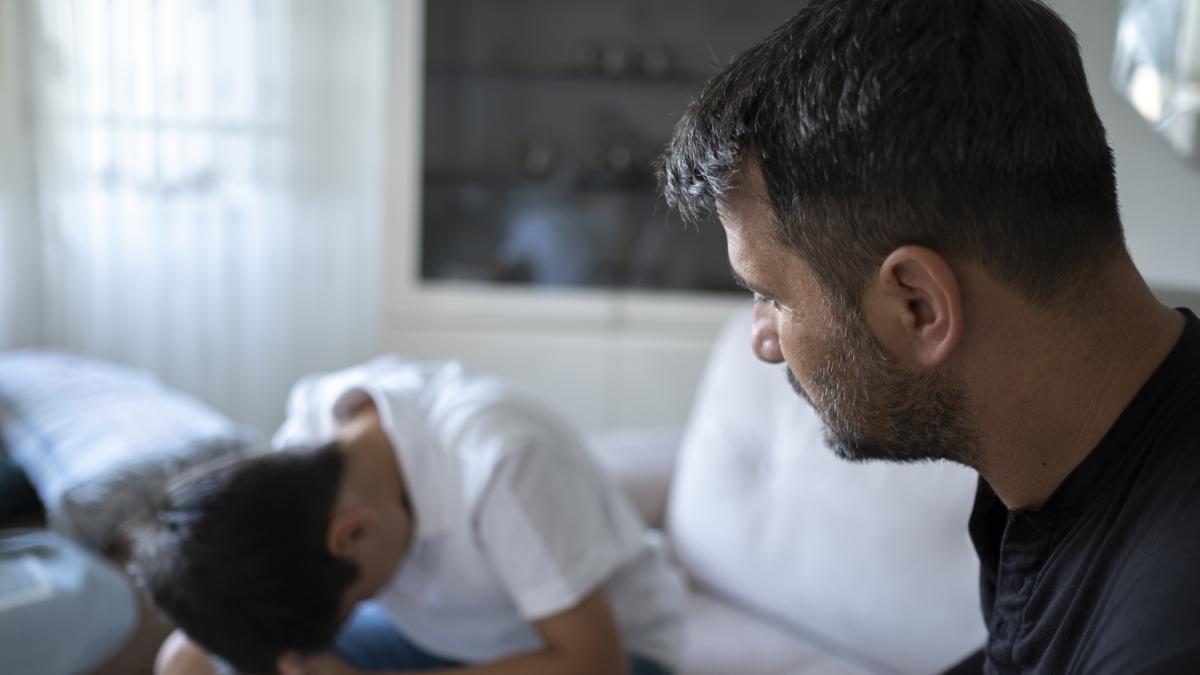
Far from being isolated cases, the data suggests that family estrangement is much more common than we tend to believe. Studies in the United States indicate that between a quarter and more than a third of adults acknowledge being estranged from at least one close relative: parents, children, siblings, or grandparents. Around 16% say they are estranged from a parent, and about 10% from a child.
Other research shows that, throughout adulthood, around 6% of people have experienced at least one period of estrangement from their mother and about 26% from their father, typically beginning in their twenties. In other words, especially during the transition to independent adulthood, some children choose to distance themselves when they feel that remaining attached to their family of origin does them more harm than good.
A British report on family estrangement in adulthood indicates that estrangement from mothers is slightly more common than estrangement from fathers , but when sons initiate the break, the estrangements tend to be longer and more permanent. The report also notes that many mothers experience intermittent cycles of estrangement and reconciliation with their children, while estrangement from fathers is generally more stable.
The most striking aspect of this data is not just the frequency, but the clash of perceptions between generations: more than two-thirds of children claim to have explained their reasons , while a majority of parents insist that "no one has told them why." This gap suggests that, for years, children have not felt heard or taken seriously when they tried to talk about the hurt or distress they felt.
Meanwhile, social media has become a kind of collective megaphone. Hashtags like #ToxicFamily are racking up millions of views with videos sharing experiences of emotional abuse, control, blackmail, homophobia, misogyny, and constant invasion of privacy. For many young people and adults, hearing similar accounts is the first time they've put a name—"toxic family," "estrangement," "cutting off contact"—to something they've been living with for years without fully understanding it.
True stories: when the line is crossed
Behind every estrangement lies a specific story, but the patterns repeat themselves with unsettling precision . Children who grew up with emotionally absent, addicted, aggressive, overprotective, or deeply critical parents; daughters who faced sexist comments, constant belittling, or direct attacks on their identity; LGBTQIA+ people symbolically or literally expelled from the family for "going off script."
Some people say that, from the outside, their parents seemed like perfect role models: they went to games, concerts, and school meetings . But behind closed doors, there was humiliation, control, favoritism among siblings, invasion of privacy, or emotional blackmail like, "After everything I've done for you." This double standard makes it even harder for children to acknowledge their own pain, because socially, no one questions these seemingly devoted parents.
Many stories share the same turning point: the arrival of a stable partner or the start of a family . Through the critical eye of their partner, some discover that what they assumed was "normal" in their childhood was actually abuse, manipulation, or emotional neglect. When parents also try to control their daughter-in-law or son-in-law, criticize their decisions, or interfere in raising their grandchildren, the conflict erupts with greater force.
It's also not uncommon for estrangement to be triggered by very specific and serious incidents . For example, a father who starts a physical fight at a family celebration and then acts as if nothing happened; a mother who sells intimate details of her son's life to the press; relatives who launch smear campaigns on social media against their son's partner. For those who experience it, these events aren't "just a one-off argument," but rather the straw that breaks the camel's back after years of simmering tension.
In other cases, the break comes after failed attempts to renegotiate the relationship . There are adult children who have asked for changes, explained boundaries, and tried several times to attend therapy together. When the other parent doesn't acknowledge any problems, denies the child's memories ("you're making it up," "you have a very vivid imagination"), minimizes the harm, or becomes defensive without taking responsibility, the message the child receives is that nothing will change. And from that point on, many only see two options: continue in a toxic relationship or leave it.
Deep reasons why some children stop speaking to their parents
Although every story is unique, research and testimonies point to a set of recurring reasons why a child decides to cut off or drastically reduce contact with their parents. These are not usually minor details, but rather core issues that affect respect, integrity, or even identity itself.
Mistreatment, abuse and emotional neglect
At the root of many estrangements lies psychological, physical, or sexual abuse . Sometimes it's obvious: insults, shouting, hitting, threats. Other times it's subtle but just as devastating: punishing silences, constant contempt, invalidating feelings, cruel mockery, financial control, or an emotional coldness that leaves the child feeling invisible and unworthy of love.
Emotional neglect—that "I've given you food and a roof over your head, what more do you want?" attitude—leaves deep scars. Some children sum up their experience like this: "They kept me like a pet, but they were never truly interested in how I felt ." When, as adults, they ask for more emotional presence, genuine listening, or support, they find parents incapable of offering anything but criticism or distance.
Clash of values, ideology, and lifestyle
We live in increasingly polarized societies—politically, morally, and culturally. It's no wonder that differences in values between generations become a battleground: sexual orientation, gender identity, feminism, religion, political activism, decisions about parenthood, parenting styles, and non-traditional relationships.
When parents react to these differences with rejection, contempt, or attempts to "correct" their child, living together becomes unbearable. For many LGBTQIA+ people, coming out directly marked the beginning of an imposed or chosen estrangement. The same is true for those who leave a rigid religious group, separate from an abusive relationship, or pursue a career or lifestyle that clashes with what their family considers acceptable.
Favoritism and rigid roles among siblings
Another classic source of pain is families where there are clearly favored children and others who become scapegoats . The "golden child" receives praise, permissiveness, and protection even when harming others; the scapegoat bears the blame, criticism, and consequences for almost everything that goes wrong.
The person who grows up as the scapegoat is often, paradoxically, the first to see the family dysfunction . When they try to bring it up, the response is usually gaslighting ("you're exaggerating," "you're too sensitive"), anger, or more punishment. Over time, that person may conclude that the only way to stop being the family's emotional punching bag is to cut ties with those who uphold that system.
Invasion of boundaries and lack of respect for the adult life of the child
Some estrangements don't stem from a single major trauma, but rather from years of constant encroachment on the boundaries of the adult child. Parents who offer opinions and make decisions about their money, their job, their partner, their appearance, their faith, or the upbringing of their children as if they still held absolute authority.
There are countless examples: insisting on being present at the birth of a grandchild even if the mother doesn't want to be, criticizing the child's clothes or hairstyle every time they see each other, giving blatantly inappropriate gifts, sabotaging the rules that parents set for grandchildren , demanding to spend all the holidays together and making a scene if this isn't agreed to, asking for "alone time" with the child while excluding the partner, or making the child the confidant of the parents' marital problems.
When children try to set clear boundaries—"no," "that's enough," "don't talk about my partner like that," "don't interfere in how I raise my children"—and their parents ignore them or take it as a personal attack, the relationship gradually deteriorates . Many children endure years trying "not to mess things up," until the emotional exhaustion becomes so great that they prefer to distance themselves.
Lack of self-criticism and sincere apologies
One recurring theme is the refusal of some parents to acknowledge mistakes and apologize . For many adult children, it's not so much that their parents failed—all families have conflicts—but rather that they've never been able to talk about it without the topic ending in recriminations, victimhood, or changing the subject.
Some parents justify every hurtful word and every harmful decision with phrases like "I did it for your own good" or "anyone in my place would have done the same," or they demand apologies from their child for "making them suffer" simply for expressing their discomfort. In more extreme cases, some display openly narcissistic traits and are incapable of taking responsibility, resorting to deception, changing their story, and emotional blackmail.
Without a space to truly be heard, the child feels trapped on a hamster wheel : always in the same conflict, always coming across as the bad guy or the exaggerator, with nothing ever changing. For many, cutting off contact isn't a form of punishment, but the only strategy they find to break free from that cycle.
Added to all this is a very heavy layer: social judgment . In cultures where mantras such as "family comes first," "a mother is loved above all else," or "honor your father and mother" are still repeated, those who decide to distance themselves often bear labels such as "bad son," "ungrateful," or "selfish."
This pressure is reinforced by idealized images of motherhood and fatherhood . Twentieth-century psychology contributed to this by portraying the mother as the near-perfect caregiver in attachment theories and the concept of the "good enough mother." Although these theories had nuances, in popular culture they have often translated into the idea that a mother, simply by virtue of being a mother, loves well and does no harm, and that if the bond is broken, there is something wrong with the child.
Furthermore, family policies (custody arrangements, parental leave, caregiving expectations) have reinforced the image of the mother as the central figure in the nuclear family . When a daughter distances herself from her mother, the stigma is often greater than when it happens with the father, and society tends to blame the daughter for coldness or ingratitude, without considering that there may have been abuse, neglect, or simply a profound emotional incompatibility.
In this context, many children who choose to leave home experience a double grief: for the family they never had and for the rejection or misunderstanding from those around them . They know that if they shared certain details, others' perceptions would change, but they don't always want to or can't be so open. That's why safe spaces, both in person and online, are so important—spaces where those who have made this decision can be heard without being judged outright, and where neurodiversity is understood.
The emotional impact of distancing: between relief and guilt
Few experiences are as deeply moving as breaking ties with one's parents . Psychologists and therapists agree that it is one of the most complex forms of grief; humanistic theories such as those of Abraham Maslow help to understand why the loss of these bonds can activate profound basic and emotional needs, because the person who is lost is still alive, and the biographical and symbolic link with them is almost impossible to completely erase.
In the phase leading up to the breakup , anger, sadness, fear, and immense guilt are often intertwined . Anger stems from years of contempt, control, or neglect; fear of losing one's family or being attacked by other relatives; and guilt arises because the cultural mandate to "take care of your parents" is deeply ingrained, and because those parents have often suffered themselves and are repeating what they experienced with their own parents.
After the estrangement, many people describe a combination of relief and pain . Relief at no longer living in constant tension, at being able to raise their own children without harmful interference, at finally feeling safe. Pain for the lost childhood, for the good times that also existed, for the family worlds that shatter (aunts, uncles, cousins, siblings taking sides), and for the feeling of a "parallel life," where a part of their story remains frozen.
For children who later become parents themselves, the conflict can intensify. The absence of involved grandparents , the exhaustion of raising children without a family support network, comparisons with more cohesive families, or doubts about whether they are repeating patterns can reignite the issue. At the same time, many people point out that raising their own children confirms their decision: it confronts them with what they themselves did not receive and reinforces their commitment to not perpetuating the same dynamic.
For all these reasons, many estranged individuals seek psychological support or mutual aid groups to process this emotional cocktail: grieving for parents who did not know how or were unable to love them in a healthy way, examining beliefs of guilt, working on boundaries without falling into total isolation, and building a more flexible idea of family, based on chosen bonds and not just blood ties.
When it is the parents who suffer: "My child doesn't speak to me"
From the parents' perspective, a child's silence can feel like a devastating blow . Some mothers and fathers suddenly find that their adult child stops calling, doesn't answer messages, or cuts off all contact, and they feel despair, bewilderment, and a difficult-to-digest mixture of anger and sadness.
In many cases, these parents don't see themselves as toxic or abusive . They may have provided everything they considered "good parenting": food, education, extracurricular activities, financial sacrifices. They struggle to understand that their child might have needed something more: emotional presence, less criticism, more respect for their decisions, less overprotection, or a place in the family where they didn't have to bear the burden of the adults' unhappiness.
There are also parents who acknowledge conflicts but interpret them as "normal character quirks" or minor generational clashes. From their perspective, the child "has become overly sensitive," "is easily manipulated by their partner," or "has embraced modern ideas headfirst." Sometimes they forget important conversations in which the child did express their pain, minimize painful episodes, or remember only their own version of events.
For these parents, receiving silence in response can feel like an unfair punishment. However, even in their pain, it's crucial to ask themselves an honest question: "Did I truly listen to what my child was trying to tell me?" Many studies illustrate this gap: children who claim to have explained their reasons directly and parents who assert that no one explained anything to them.
When a parent finds themselves in the situation of "my daughter won't talk to me" or "my son ignores me," the most helpful path rarely involves pressure, playing the victim, or public complaints. What usually opens doors—if there's any room at all—is acknowledging the child's pain, showing a willingness to examine their own behavior, and accepting that it may be necessary to change , apologize, or give them space, even if it hurts.
What can parents do if a child decides to run away?
There are no magic formulas for repairing a broken relationship, and sometimes the child decides never to re-establish contact. Even so, there are attitudes that increase the chances of a healthy reconciliation , or at least allow the parent to find peace of mind for having acted in the best way possible.
- Listen without interrupting or immediately defending yourselfIf the child agrees to talk, it's best to let them express themselves without immediately justifying everything. Listening doesn't mean accepting every detail as absolute truth, but rather acknowledging their experience and their pain.
- Take responsibility for your part in the processHonestly review past behaviors, inherited patterns, ways of speaking, or control that you may have accepted as acceptable. If something has caused hurt, saying "I'm sorry, I understand that it hurt you" can mean much more than "but so did you."
- Respect their boundaries, even if you don't agree with them.If your child asks for less contact, a specific type of relationship, or some time apart, forcing closeness usually only makes things worse. Showing that you respect their decisions sends a message of change.
- Seek professional help for yourselfGoing to therapy is not about "agreeing with the child," but gain tools to understand the situation, managing the pain and working through patterns that may come from that father or mother's own family history.
- Never stop opening a quiet doorWithout bombarding with messages or calls, you can maintain a discreet channel ("I'm here whenever you want to talk") that doesn't pressure, but also doesn't definitively close the possibility of a future meeting.
When distancing is an act of self-care
Although the decision is painful, for many people distancing themselves from their parents has been the healthiest move they could make. Several studies show that, after overcoming the initial stages of grief, many estranged individuals finally feel "safe," "light," or "at peace" because they are no longer exposed to constant criticism, abuse, or intrusions.
In a culture that has glorified family sacrifice for decades, it's jarring to hear someone say they're happier since they stopped speaking to their mother or father . However, this statement doesn't usually come from coldness, but rather from having gone through a very costly process of reflection, therapy, failed attempts at repair, and ultimately, prioritizing their own psychological well-being.
At the same time, starting over without family of origin nearby means rebuilding the idea of family and belonging . Many people begin to place much greater importance on friendships, caring partners, and chosen communities (support groups, collectives, affinity spaces), which come to fill the void left by their parents. This breaks down the rigid idea that "there is only one family," giving way to a broader and more flexible conception of relationships.
In all of this, it's worth remembering something uncomfortable but true: healthy families don't usually break up . All families argue and make mistakes, but in those that function reasonably well, there is listening, self-criticism, apologies are possible, and real changes take place. When all of that systematically fails and the pain becomes chronic, for some children leaving isn't a whim or a generational trend, but the only way they find to stop repeating, in their adult lives and with their own children, the same wounds they've carried since childhood.
Understanding why some children decide to stop speaking to their parents requires letting go of prejudices and approaching each story with more curiosity and empathy than judgment . Only in this way will it be possible to better support both those who have been forced to make incredibly difficult decisions to protect themselves, and those parents who, from their own pain, are willing to look each other in the eye, review what has happened, and, if the opportunity arises, build a new kind of relationship where respect, boundaries, and mutual care carry more weight than the blind mandate of "because we're family."


Table of Contents
- 1 A phenomenon more common than it seems
- 2 True stories: when the line is crossed
- 3 Deep reasons why some children stop speaking to their parents
- 4 Social pressure: the myth of the "good son" and the sacred family
- 5 The emotional impact of distancing: between relief and guilt
- 6 When it is the parents who suffer: "My child doesn't speak to me"
- 7 What can parents do if a child decides to run away?
- 8 When distancing is an act of self-care