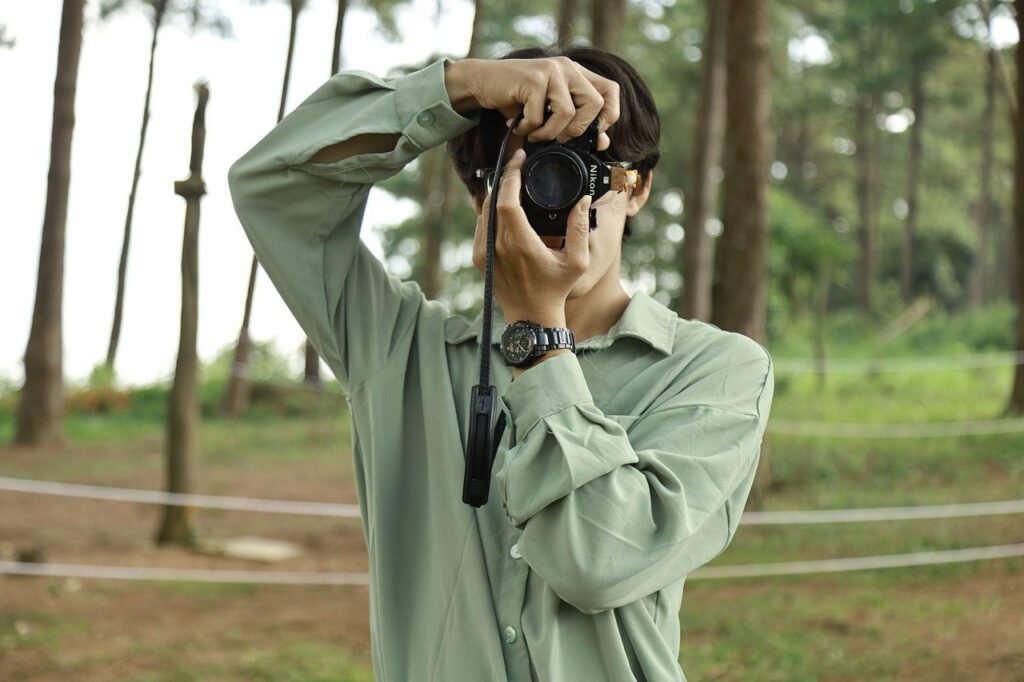
Anthropological photography represents a unique way of capturing and communicating the diversity and complexity of human cultures. This discipline combines photographic technique with the rigorous observation of the customs and traditions of different groups, offering a profound and enriching insight into their daily existence and social interactions. Through powerful images, the aim is not only to document realities but also to create a visual dialogue that invites reflection on cultural identity and social dynamics.
Origins and evolution of anthropological photography
Since its early days in the 19th century, photography has established itself as an essential tool for anthropological research and study. Pioneering photographers like Edward Curtis, who dedicated himself to portraying Native American communities, set a precedent for documenting the social life of different peoples. Curtis, with his aesthetic and meticulous approach, sought to capture not only the physical appearance of his subjects, but also their spirit and customs. This search for authenticity In visual representation, it opened the door to new interpretations of culture through photography.
Over time, practices such as ethnographic photography have evolved and diversified, integrating contemporary tools that allow for a more inclusive and respectful visual dialogue with the communities being photographed. The democratization of technology has facilitated the participation of the communities themselves in the creation of their visual narratives, challenging previous models that were often imposed from an external perspective.
Aesthetics in anthropological photography
Aesthetics in anthropological photography plays a crucial role in conveying meaning. Framing, lighting and composition not only affect the technical quality of the images, but also influence how the cultural context is perceived. For example, an image depicting a group at a celebration may convey joy and community, while a portrait of a person in a work environment can express diligence and effort.
The aesthetic choices They can also reflect the photographer's subjectivity and interpretation of culture. Photographic equipment, post-production techniques, and the chosen formats can alter the perception and the initial message that one wishes to convey. In this sense, it is essential for the photographer to be aware of his own social and cultural positioning, as this influences the creative process and the final results of your work.
Ethics and responsibility in anthropological photography
Ethics in anthropological photography has sparked intense debate, especially in relation to the representation of individuals and communities. Photography can serve as a powerful medium for make realities visible, but can also fall into the trap of exoticism and stigmatizationFor this reason, it is essential to establish an ethical approach that respects the dignity and consent of the subjects photographed. It is crucial that photographers work in collaboration with communities, ensuring their voices are heard and their stories are represented fairly and accurately.
Ethical practices include, but are not limited to, obtaining informed permits, the recognition of rights and intellectual property of images, as well as the possibility of giving subjects control over how photographs are used and disseminated. This not only strengthens the relationship between the photographer and the community, but also promotes a more authentic and empowering of cultures.
The role of visual narratives in cultural research
Visual narratives, constructed from effective images, play a vital role in cultural interpretation. These narratives are fueled by a ethnographic observation deep, which allows recording the everyday aspects of cultural life. Photography can capture seasons of life, ritual practices, clothing, and other cultural expressions that document the essence of humanityEach image, selected and placed in a specific context, tells a story; it's a fragment of culture that, when connected with other images, tells even more elaborate tales.
The combination of personal stories with photographs creates a platform that fosters empathy and connection between the viewer and the subjects. We know that visual storytelling is not just an aesthetic tool; it is a vehicle of communication, capable of conveying profound messages that go beyond words. This can be seen in contemporary projects where photographers collaborate with local storytellers to interweave images and texts, thus creating a cultural tapestry that enriches the understanding of the other.
Digital photography and new tools in the anthropological field
The digital age has revolutionized anthropological photography in many ways. Mobile cameras and devices allow for a snapshot of events and situations, facilitating access to significant moments in communities. Platforms like Instagram have allowed cultures to showcase their daily lives in a more accessible and real-time manner, which, in turn, strengthens cultural identity in the virtual space.
Additionally, the use of drones and high definition cameras offers new insights that were previously inaccessible. Researchers and photographers can now document liquid and fluid spaces, allowing for a richer understanding of cultural territories. This type of technology invites us to question how images are produced and perceived within changing contexts and what new meanings can emerge from these interactions.
The future of anthropological photography
Anthropological photography faces multiple challenges today, but it also opens doors to new possibilities. The intersection of photography, technology, and cultural activism fosters a more inclusive and conscious practice. The ability to approach narratives from a shared perspective is transforming the way cultures are understood locally and globally.
Contemporary photographers are driven to break with stereotypes and clichés, constantly seeking new ways to approach subjects with respect and authenticity. As the sociocultural context evolves, so do the approaches and tools available to visual anthropologists. Participatory methodologies and community collaborations continue to provide communities with the opportunity to tell their own stories, ensuring that their voices and experiences are central to photographic representation.
Anthropological photography is, in short, a open window to humanity's cultural diversity. Through it, a space for dialogue, criticism, and mutual learning opens up, where images become witnesses to life itself and reminders of the many ways of being and living.