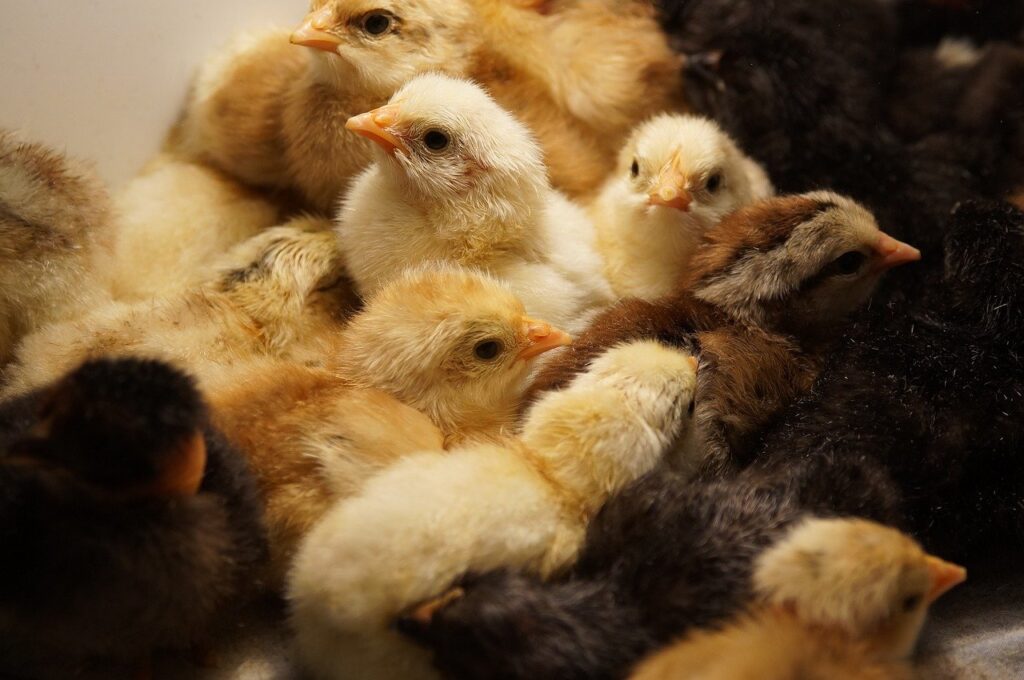
What is a chicken sexer?
The chicken sexer is a key figure in poultry farming, responsible for determining the sex of newly hatched chicks. This task may seem simple, but in reality, it requires a high degree of skill and practice. The ability to distinguish between males and females in the first few hours of life is vital for poultry production, as the market primarily demands birds of a certain sex for meat or egg production.
History of chicken sexing
The process of sexing birds is not new and has its origins in antiquity. However, the modern method began to develop in the 20th century, when poultry farming became a large-scale industry. The first sexers were primarily poultry farmers who used their knowledge of avian biology. Over time, the development of more precise techniques and specific training in these skills have led to the professionalization of the trade.
Chicken sexing methodologies
There are several methodologies that professional sexers use to determine the sex of chicks. These are:
visual observation
This technique involves examining the chicks' physical characteristics. It is based on identifying feather colors and patterns that differ between males and females in certain breeds. Although effective, it requires a high level of experience, as reliance on observation can be misleading.
Sexed by cloaca
Cloacal sexing is one of the most common and accurate methods, involving the examination of the chick's reproductive system. This procedure can be delicate and must be performed with great care, as rough handling can harm the animal. This method is most effective in chicks that are days or weeks old.
molecular techniques
Molecular sexing techniques, although not common in all poultry farms, are gaining ground thanks to their high accuracy rates. Through DNA analysis, it's possible to determine the sex of a chick without having to physically manipulate it. These techniques are more expensive and require specialized equipment, but they can be decisive in jobs where precision is paramount.
The chicken sexer not only plays a crucial role in chick categorization but also has a significant impact on the efficiency of poultry production. By accurately selecting the sex of the animals:
- Costs reduction: A competent sexer will minimize the resources spent on chickens of an unwanted sex.
- Increased production: Selecting the right sex can maximize meat or egg production, meeting market demands.
- Improvement in product quality: Accurate sexing ensures that producers can offer consumers products that meet their expectations.
Training and skills required
The art of sexing chicks is not innate, but rather is learned through rigorous training and practice. To be a good sexer, you need:
Manual skills
Manual skills are essential for safely handling chicks. This task requires practice and precision, as a wrong movement can cause harm.
Knowledge of poultry biology
A bird sexer must have a solid understanding of avian anatomy and behavior. This includes knowing the biological differences between males and females.
Observational skills
Observation is key. Sexers must be able to quickly identify subtle differences in the chicks' physical characteristics.
Resilience and patience
The work can be monotonous and requires a high tolerance for repetitiveness, as well as resilience in stressful situations, such as handling a large number of animals in a short period of time.
Challenges of sexing work
Despite being a highly sought-after and specialized profession, being a chicken sexer comes with its own challenges:
Working conditions
Constantly handling chicks can be physically demanding. Poultry integrators often have large volumes of chicks that need to be sexed in a short period of time, which can lead to fatigue.
Sexers are responsible for the lives of thousands of birds. In some cases, the decisions they make regarding sexing can result in the life or death of an animal, which can create significant emotional burdens.
Technological evolution
With the advancement of technology, the profession of animal sexer has had to adapt. New molecular sexing techniques are causing a decrease in demand for traditional sexers in some areas, which could imply a reduction in job opportunities in the future.
The future of chicken sexing appears to lie at the intersection of technology and tradition. New methodologies such as molecular sexing offer both accuracy and efficiency, but the invaluable expertise of a human sexer remains unique and essential.
Innovations in the sector
Innovations in the poultry sector are constantly evolving. Some sexers are adopting technologies such as image analysis and advanced computer techniques to improve the accuracy and speed of the process. These innovations could further transform how sexing is performed in the future.
Change in consumer expectations
As consumers become more aware of animal welfare and sustainability practices, sexers will also need to adapt to these demands to ensure the process meets market standards.
The role of chicken sexer represents a vital and often overlooked aspect of the poultry industry. Despite the challenges and evolution of the field, the dedication and specialization of these professionals will ensure that there will always be a place for this skill in global food production. The blend of tradition and modernity will pave the way to a future where the balance between technology and humanity will be more crucial than ever.
