- Learning options ranging from secondary and high school to university levels and preparation for university entrance exams.
- Flexible methodologies that include in-person, at-home modalities and virtual environments with advanced digital tools.
- Personalized approaches designed to eliminate learning gaps and strengthen student confidence in complex subjects.
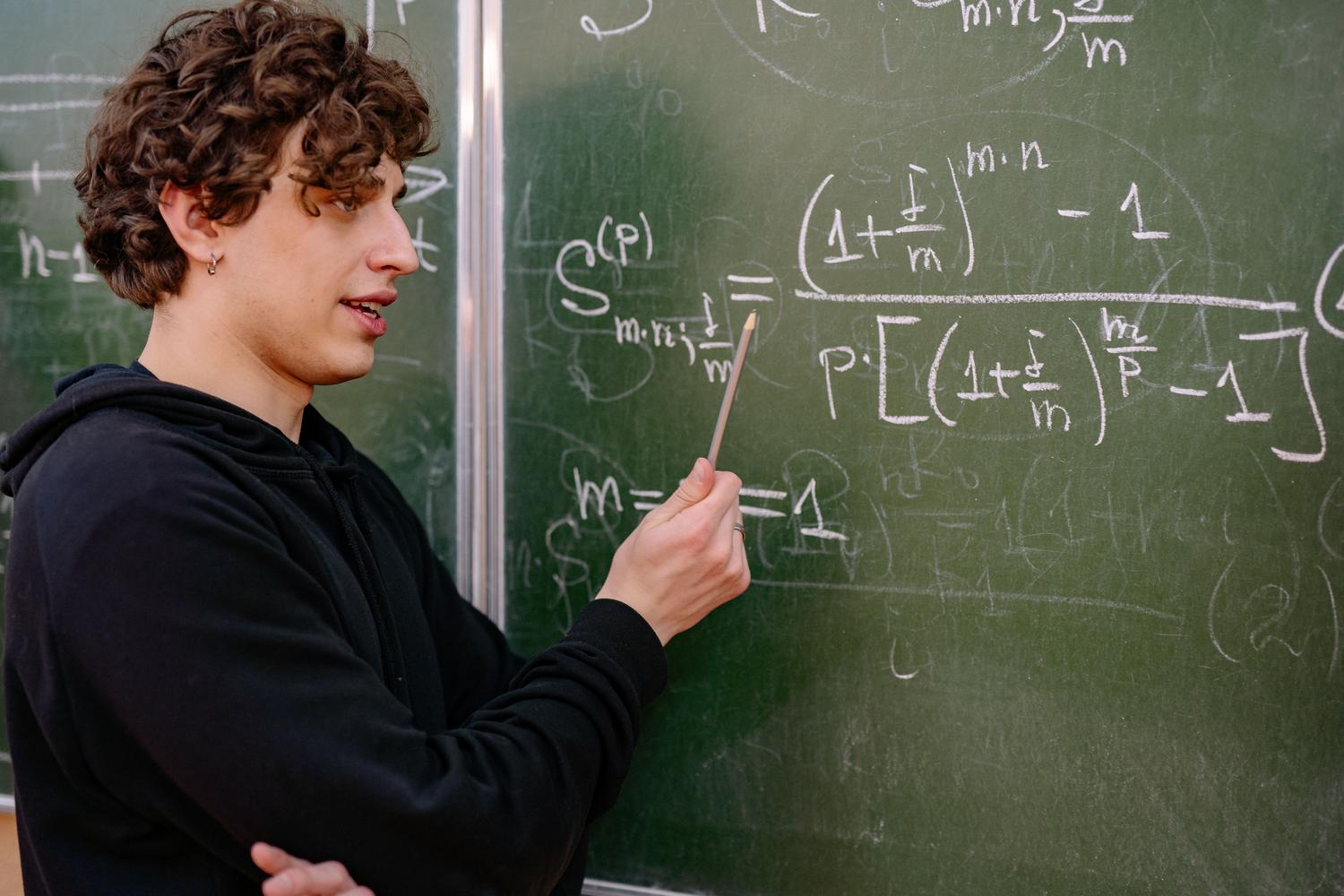
If you feel that physics is an indecipherable world full of vectors and equations that lead nowhere, don't worry, it's more common than you think. Often, the transition between educational stages, especially when entering university, represents a head-on collision with the complexity of the subject, leaving many students feeling lost in a labyrinth of physical laws.
The good news is that you don't have to give up or see the subject as an insurmountable challenge. Thanks to current support options, it's possible to transform that frustration into curiosity, understanding that physics is, in fact, the ultimate tool for understanding how everything around us works, from the movement of atoms to the rotation of our planet.
Why is it essential to study physics today?
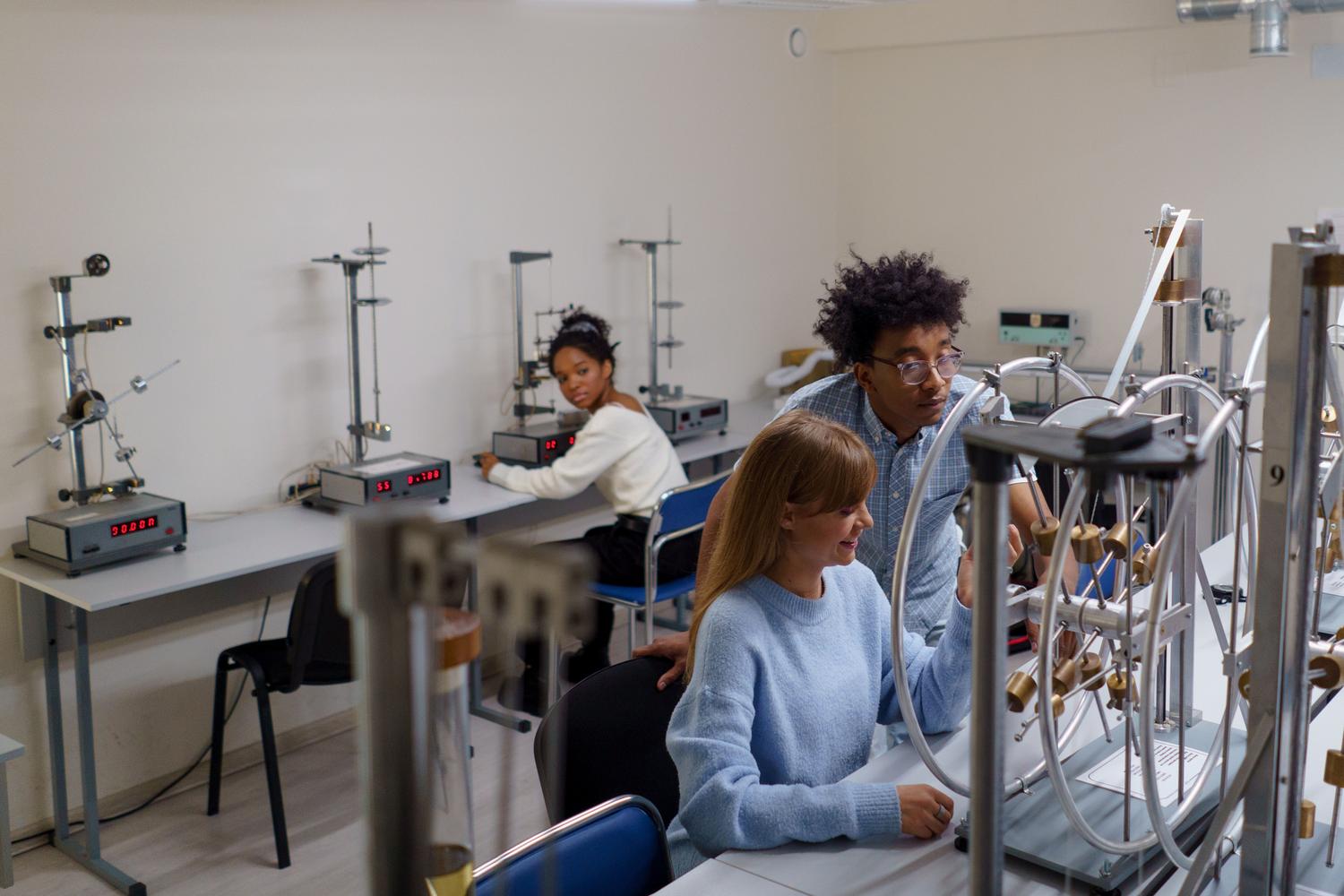
This science is the cornerstone of our understanding of the universe. By studying it, we not only solve problems on paper, but we also decipher astonishing natural phenomena , such as the origin of thunder, the workings of the law of gravitation, or why light travels much faster than sound. Everything we perceive is, in essence, applied physics.
Furthermore, choosing this discipline is a smart decision for your future career. A mastery of physics opens doors to careers in engineering and technology , allowing students to contribute to improving the environment through the development of renewable energies and the search for alternatives to prevent the depletion of Earth's natural resources.
Support options: from academic tutoring to university

Depending on the educational stage, needs change drastically. For secondary and high school students, the goal is usually to consolidate their foundations and avoid accumulating gaps that will later be impossible to fill. In this sense, there are weekly programs designed to restore students' confidence, especially when the pace of school is too frenetic.
For those already at university or preparing for the university entrance exams (EvAU), the approach is more intensive. Here, students work with real past exam papers and practice tests to avoid surprises on test day. It is vital that the tutoring aligns with the official curriculum, ensuring that the material studied is exactly what will be assessed at the university.
Learning methodologies: face-to-face vs online

When choosing how to learn, there are two main paths. On the one hand, face-to-face classes, whether in academies with centers distributed throughout the city or at home, offer direct and human contact that helps many students concentrate better and resolve doubts instantly.
On the other hand, online classes have revolutionized learning. Using advanced digital platforms, tutors can coordinate customized plans and offer complete scheduling flexibility , ideal for those with busy schedules or who live far from specialized centers. Most importantly, the teacher must be able to assess the student's initial level in order to set clear goals from the very first session.
Key topics covered in the classes

A good physics program cannot leave any loose ends. The most critical areas that are typically reinforced include:
- Energy and its laws, analyzing from the principle of conservation to its applications in real life.
- Electricity and magnetism, where circuits, current, and electromagnetic interactions are studied.
- Mechanics and forces, delving deeper into the laws of motion that govern the physical world.
- Waves and space, exploring the properties of waves and the fundamental components of the universe.
To ensure these concepts sink in, some methods structure the content from highest to lowest risk , ensuring that the student first masters the foundations before moving on to more complex topics, thus avoiding mental blocks.
Having a specialized tutor transforms learning from a chore into an efficient process. Whether through small groups that avoid a sense of anonymity or fully personalized individual sessions, the ultimate goal is for students to gain the confidence needed to solve problems with ease and achieve academic excellence in one of the most fundamental and fascinating sciences.

FAQ
At what educational levels are there physics classes?
Support services are offered for students in Secondary Education, Baccalaureate and University, including specific preparation for the EvAU (University Access Assessment).
How do online classes differ from in-person classes?
Online courses stand out for their flexible scheduling and use of digital tools, while face-to-face courses offer direct interaction in centers or at home.
What are the main topics covered in the physics reinforcement course?
The syllabus covers fundamental areas such as energy, electricity, the laws of motion, magnetism, and space physics.
How can performance in physics be improved if there are many gaps?
It is recommended to use customized plans that identify weaknesses and consolidate the foundations before moving on to more complex content.
When is the ideal time to start tutoring?
The best advice is to start reinforcement at the beginning of the course to avoid the accumulation of difficulties, especially at critical levels such as Baccalaureate.
How do private lessons help prepare for university entrance exams?
They rely on solving past exams and conducting simulations under real conditions to gain confidence.