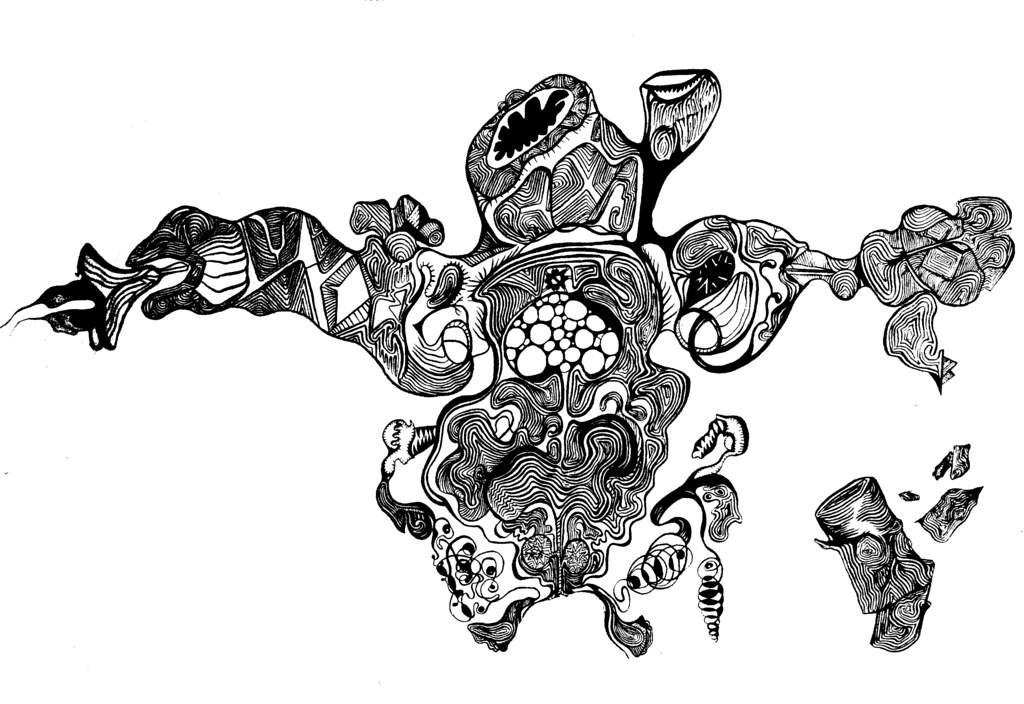
Social fragmentation is a phenomenon that is deeply affecting our society today. It's no longer just about political or economic differences; this division has spread to virtually every aspect of our lives . From social media to our consumption habits, and even the way we get our news, everything seems designed to separate us into increasingly smaller and more isolated groups.
Have you ever stopped to think about how social media has changed the way we connect with each other? Not long ago, we shared common spaces where we exchanged ideas with all kinds of people. Now, algorithms trap us in filter bubbles where we only see content that reinforces our own beliefs.
Platforms like Facebook and Twitter, which in theory should connect us, often amplify our differences . A Pew Research Center study revealed that 55% of technology experts believe that digital disruption will harm democracy in the coming years.
Political polarization and its consequences
The current political landscape clearly reflects this fragmentation. It is no longer simply a matter of left and right, but rather a multitude of factions that seem incapable of finding common ground. This polarization has tangible consequences:
- Legislative paralysis: Governments have more and more difficulties in passing laws and carry out effective policies.
- Increased distrust: The lack of dialogue between groups leads to widespread distrust in institutions and among citizens.
- radicalization: The extreme points of view gain ground, while moderate positions lose visibility.
In a world where our attention is the most valuable currency , media outlets and digital platforms compete fiercely to capture it. The result? Increasingly sensationalist and polarizing content that appeals to our most basic emotions.
This business model based on engagement at all costs is eroding the social fabric . We are becoming more reactive, less tolerant of differing opinions, and more prone to falling for conspiracy theories.
The crisis of shared truth
One of the most worrying effects of this fragmentation is the loss of a shared truth . We no longer just discuss interpretations of events, but the events themselves. The proliferation of fake news and distrust in traditional media have created a scenario where each group has its own version of reality.
This situation poses serious challenges for democracy. How can we make collective decisions if we can't even agree on what's real and what isn't?
Given this scenario, it's easy to fall into pessimism. However, there are promising initiatives that seek to counteract this trend toward fragmentation:
- Education in critical thinking: Teach people to evaluate information objectively is fundamental.
- Dialogue platforms: Digital spaces designed to promote emerge constructive conversations between people with different ideas.
- Collaborative journalism: Projects that seek unite journalists of different tendencies to offer a more complete view of reality.
Social fragmentation is not inevitable. Each of us has a role to play in rebuilding bridges between groups. Some actions we can take include:
1. Getting out of our bubble: Actively search different information and opinions to ours.
2. practice empathy: Attempt understand the motivations of those who think differently, instead of demonizing them.
3. Participate in common spaces: Get involved in community activities that allow us to connect with diverse people.
Rebuilding a cohesive society will be neither easy nor quick. It requires a conscious and sustained effort from everyone. But the reward—a more resilient, creative society capable of facing global challenges—is well worth the effort.
Ultimately, the question we must ask ourselves is: Do we want to live in a world of isolated tribes or in a diverse society united by common values? The answer to this question will determine the course of our civilization in the coming decades.