- Mastery of specialized technical terminology divided by critical areas: bridge, engine room and operations management.
- Implementation of IMO SMCP standards to ensure safe and unambiguous communication in international waters.
- Importance of continuous training and technical certification to access better job opportunities in the global naval sector.
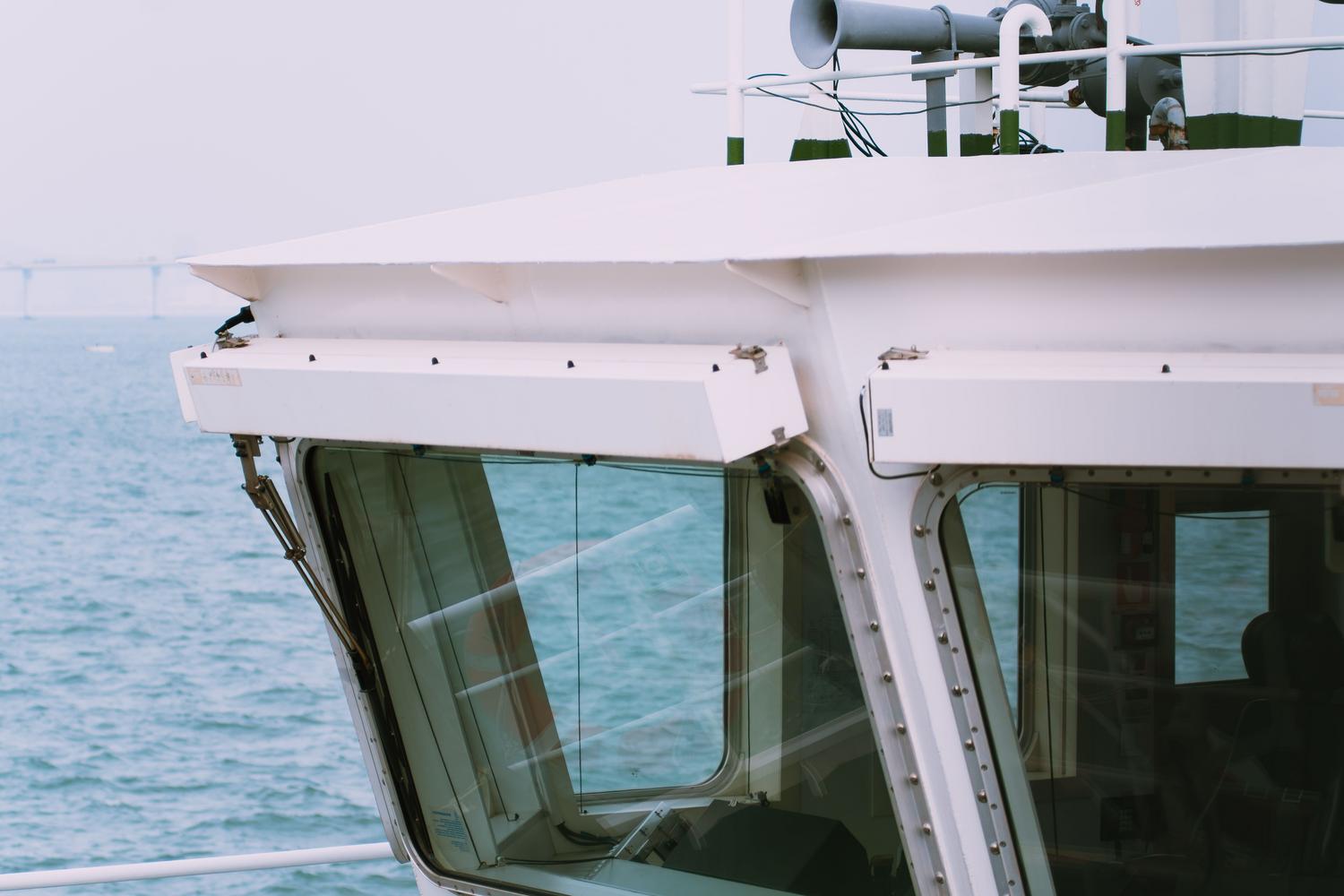
If you work in the maritime world, you know that simply saying "hello" and "thank you" isn't enough. On the high seas, where conditions can turn treacherous in the blink of an eye, precise communication is what makes the difference between a successful maneuver and a serious accident. Maritime English isn't just a language; it's a vital safety tool that allows people of all nationalities to understand each other perfectly.
Today, maritime transport is the heart of global trade and, as such, requires a common code. Therefore, mastering the fundamentals of maritime technical English not only makes you more efficient on board, but also opens doors to positions of greater responsibility and higher salaries, as companies seek professionals capable of coordinating with ports and authorities from any corner of the world without hesitation.
The heart of the command: The Navigation Bridge
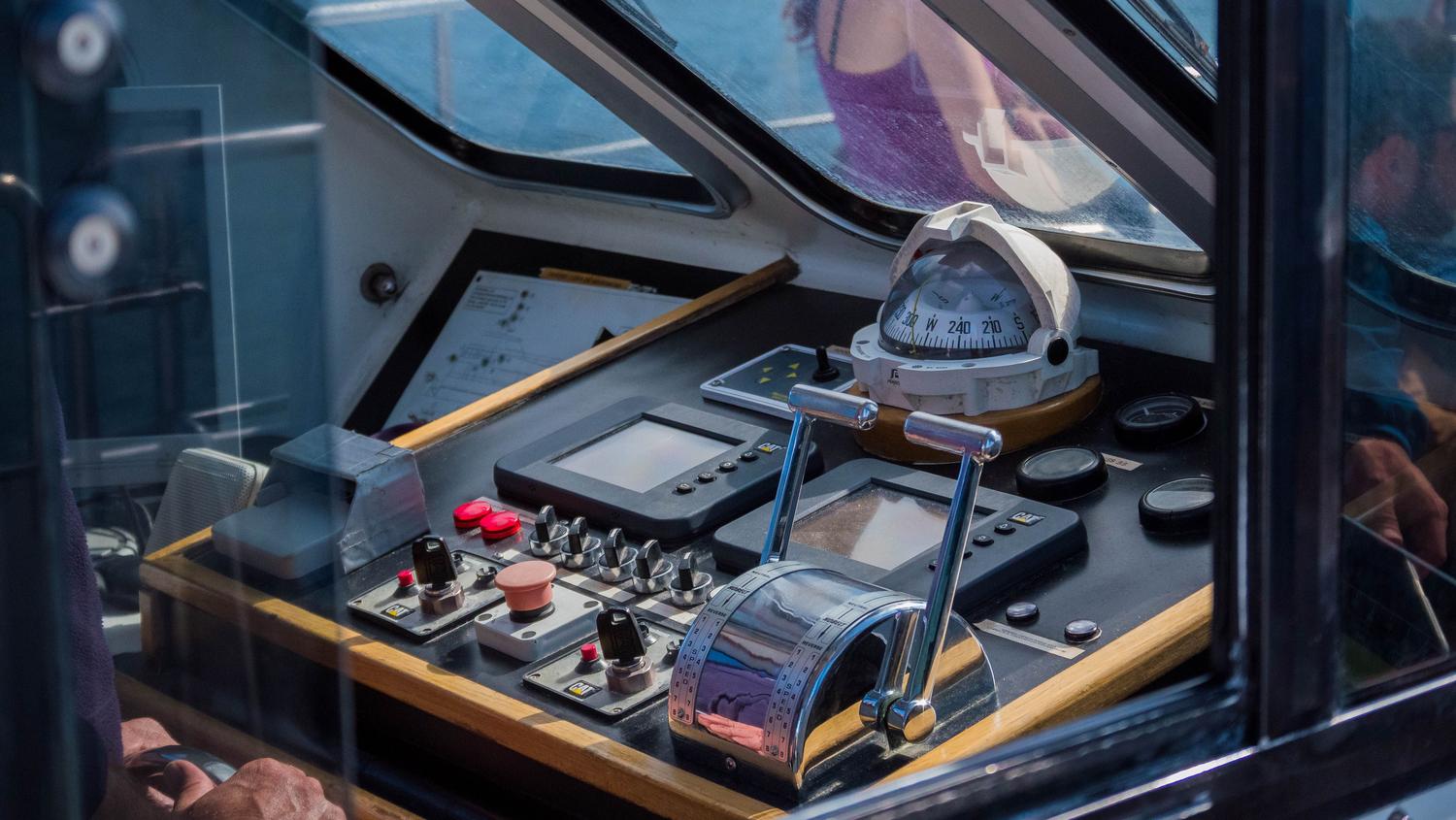
The bridge is where decisions affecting the entire crew are made. Here, the language must be direct and unambiguous. To steer, adjust course, or coordinate with the pilot, it is essential to know terms like Helm, Course, and Heading , as well as spatial concepts such as nautical miles and anchorage.
When an officer gives an order, such as setting a course of 200 degrees or reducing speed to ten knots, there is no room for interpretation. Radio communications follow strict protocols, using clear calls such as "Mayday" in extreme emergencies or requests for permission to enter port, ensuring that navigational safety is always the absolute priority.
The machinery and technology in the Engine Room
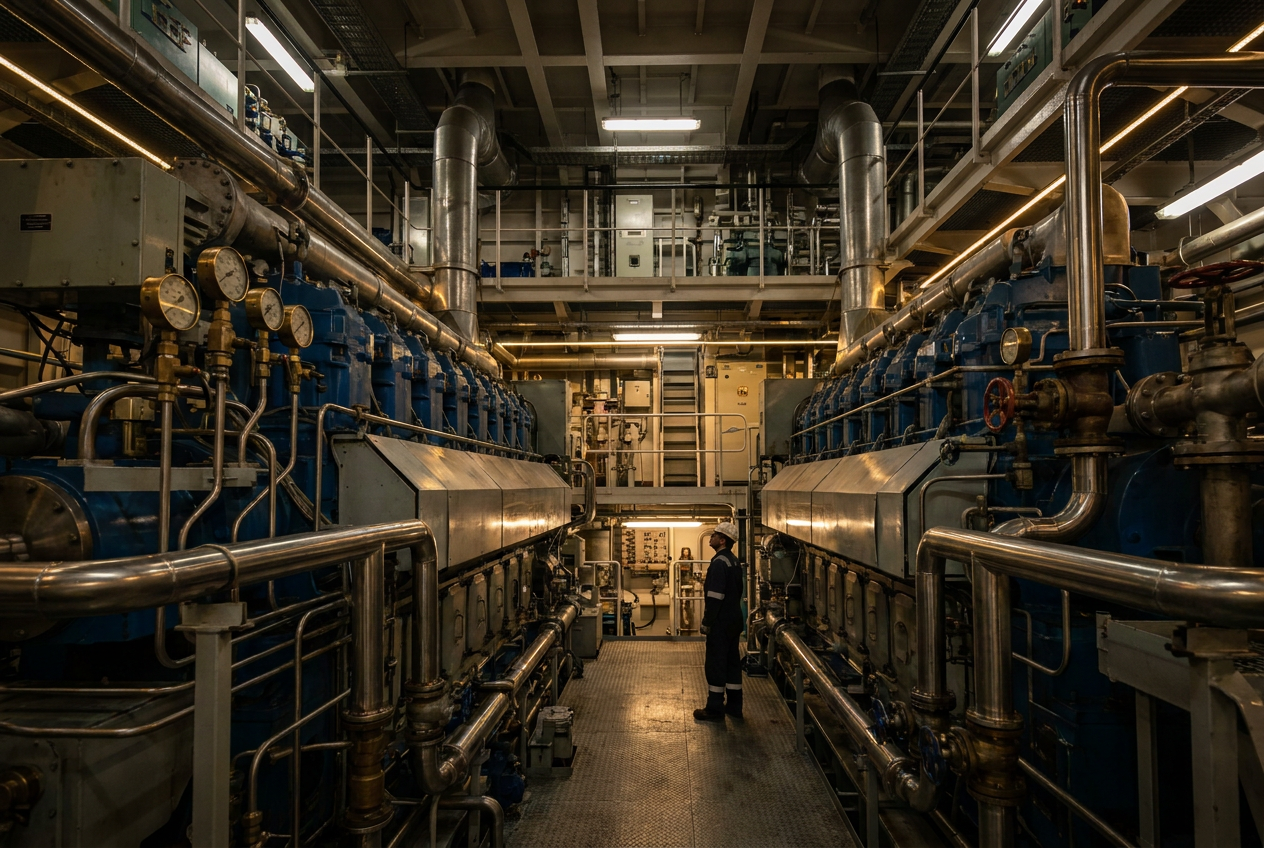
If we delve into the ship's interior, the vocabulary shifts dramatically towards mechanics and maintenance. Engineers must be able to report faults in the main engine or check oil levels in the generator without error. A misunderstanding about a valve or a pressure gauge could lead to a costly breakdown or, worse, an operational hazard.
It is common practice for technicians to write detailed reports in the engine logbook , describing incidents such as fuel line pressure drops or compressor failure alarms. Using phrases like " monitor the cooling system temperature" is a daily occurrence for those who keep the ship running.
Operations, Logistics and Port Management
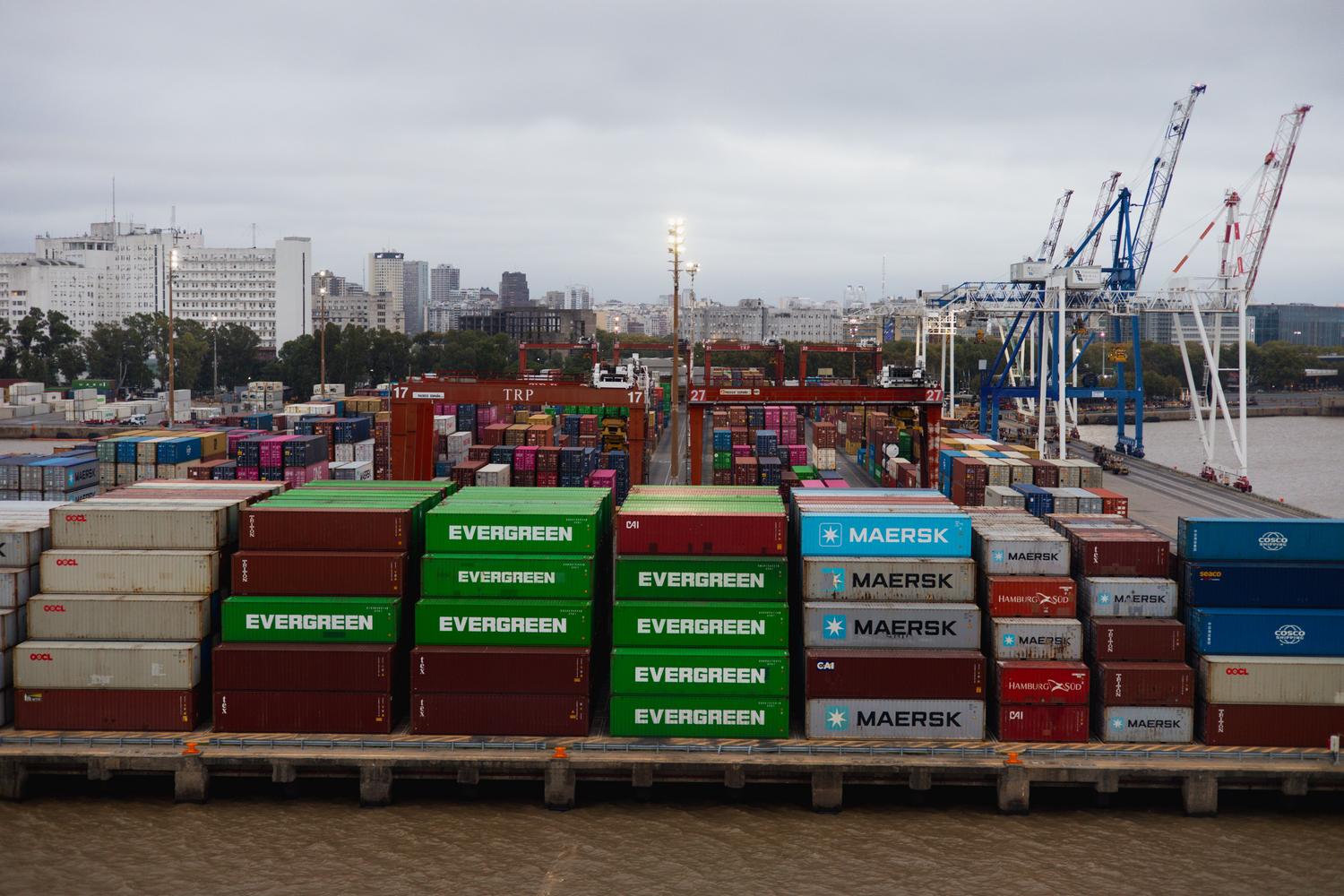
Beyond navigation, there are loading and unloading tasks that require meticulous coordination. Terms like "stowage plan" and "cargo manifest" are essential for a smooth docking and customs clearance process. Managing hazardous materials or coordinating the vessel's draft demands precise English to avoid penalties or logistical problems.
Documentation is the cornerstone of this area. The Bill of Lading and safety certificates are international documents that must be handled with ease. A professional who can coordinate the loading of hundreds of metric tons using correct technical terminology is an invaluable asset to any port agency.
International Standards and the SMCP
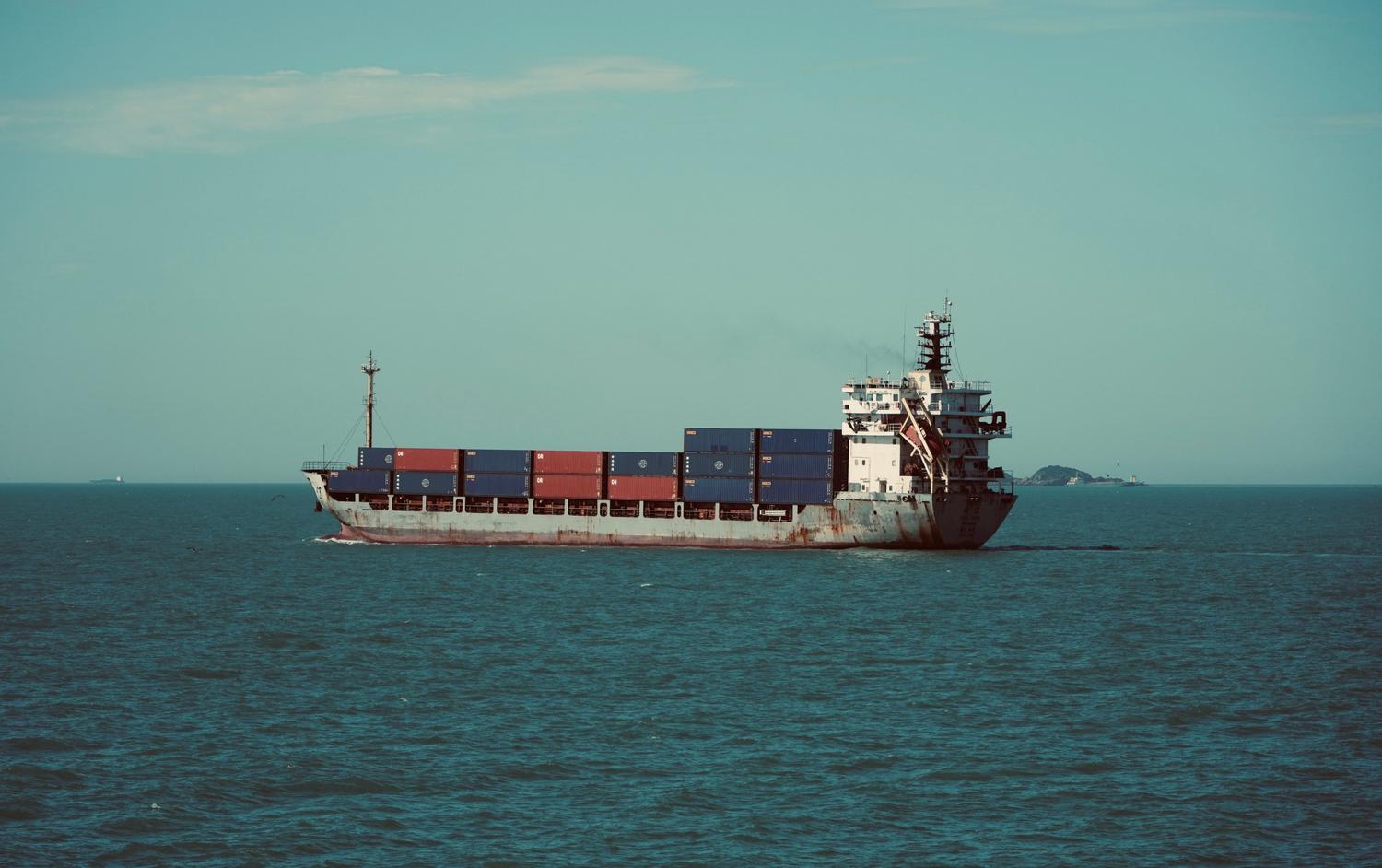
To prevent everyone from speaking in their own way, the International Maritime Organization (IMO) created the Standard Marine Communication Phrases (SMCP) . This set of standardized phrases eliminates ambiguity and is mandatory to reduce human error. The SMCP covers everything from basic maneuvers to emergency and safety communications , serving as the official language that unifies the industry.
To master this system, simply reading a manual isn't enough; you need to practice with real-life simulations, role-playing, and studying original technical documentation . Avoiding local idioms and focusing on clear pronunciation is key for any crew member, whether from the Philippines, Norway, or Spain, to understand the order instantly.
Tips for effective learning
If you want to take your career to the next level, the ideal approach is to combine theory with consistent practice. Creating personalized glossaries, using flashcards with nautical terms , and listening to audio recordings of real communications will help you train your ear to different accents. Furthermore, enrolling in specialized courses that adhere to STCW regulations ensures your knowledge is aligned with international legal requirements.
Don't forget that writing skills matter too. Drafting professional emails, watch reports, and journal entries in English strengthens your grammar and technical style. Online training now offers incredible flexibility, allowing active seafarers to update their skills without having to leave their jobs.
A thorough command of maritime English, from bridge management and engine room supervision to port logistics and compliance with the Maritime Safety and Communications Protocol (MSCP), forms the basis of professional success in the maritime sector. This technical competence not only optimizes operational efficiency and safety at sea, but also transforms a seafarer's career path by aligning it with IMO international standards, facilitating seamless and risk-free communication in a globalized environment.