- Training and legal requirements to obtain professional qualification as an access controller.
- Details about the process of examination, issuance and renewal of the official card and badge.
- Differences between training for public performances and specialization in digital and physical security.

If you're considering a career in security, you've probably come across the role of an access controller. These are the professionals responsible for managing who enters venues, concerts, or sporting events, ensuring everything runs smoothly and that the establishment's rules are followed.
It's not just about standing at the door; it's a role that carries considerable legal responsibility , as the worker reports directly to the event organizer, regardless of whether they were hired through an external company or directly. To work legally, simply wanting to do it isn't enough; it requires undergoing a rigorous training and accreditation process .
How to obtain official authorization?

To work in this sector, especially in the field of public entertainment and recreational activities, it is mandatory to complete training at accredited and authorized centers . Not just any course will do; it must follow the syllabus and duration established by current regulations, specifically those set out in Decree 112/2010.
Once you've finished the classes, the journey doesn't end there. You have to pass selection tests administered by the General Directorate of Security Administration. Only after passing this exam can you apply for the professional license and badge, which are the documents that authorize you to work.
Procedures, documentation and validity of the card
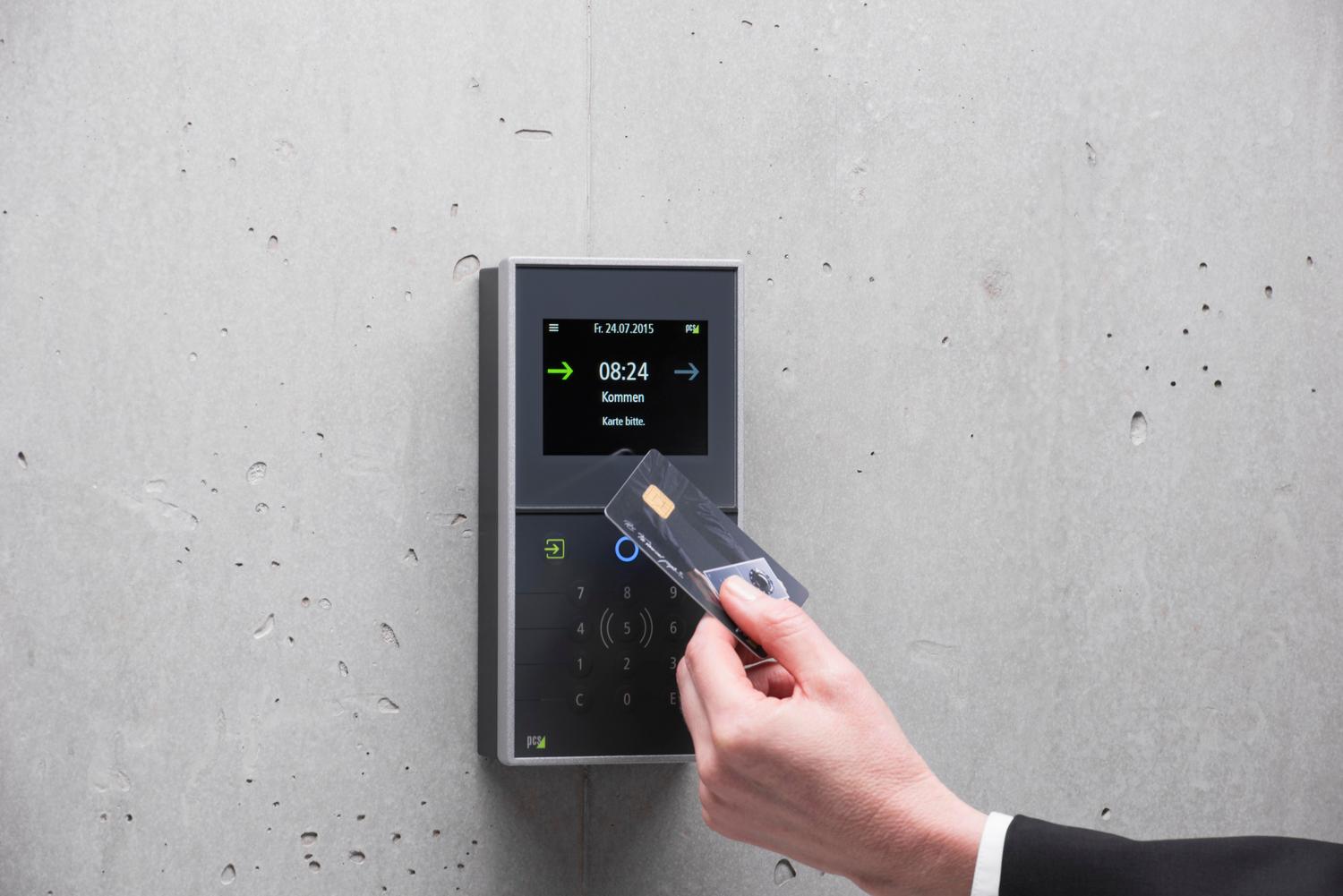
Once you've passed the exam, you must submit a series of documents to the General Directorate of Security Administration or the corresponding regional offices. The essential documents are usually the application for the license and badge , along with proof of payment of the corresponding administrative fee.
The resulting ID card is your work tool and must include your photo, name, registration number, and issue and expiration dates. Pay close attention to this: the ID card is valid for four years . If it expires and you haven't renewed it, you will be automatically disqualified , meaning no company can legally hire you until you update your paperwork.
Specializations: Physical vs. Digital Security
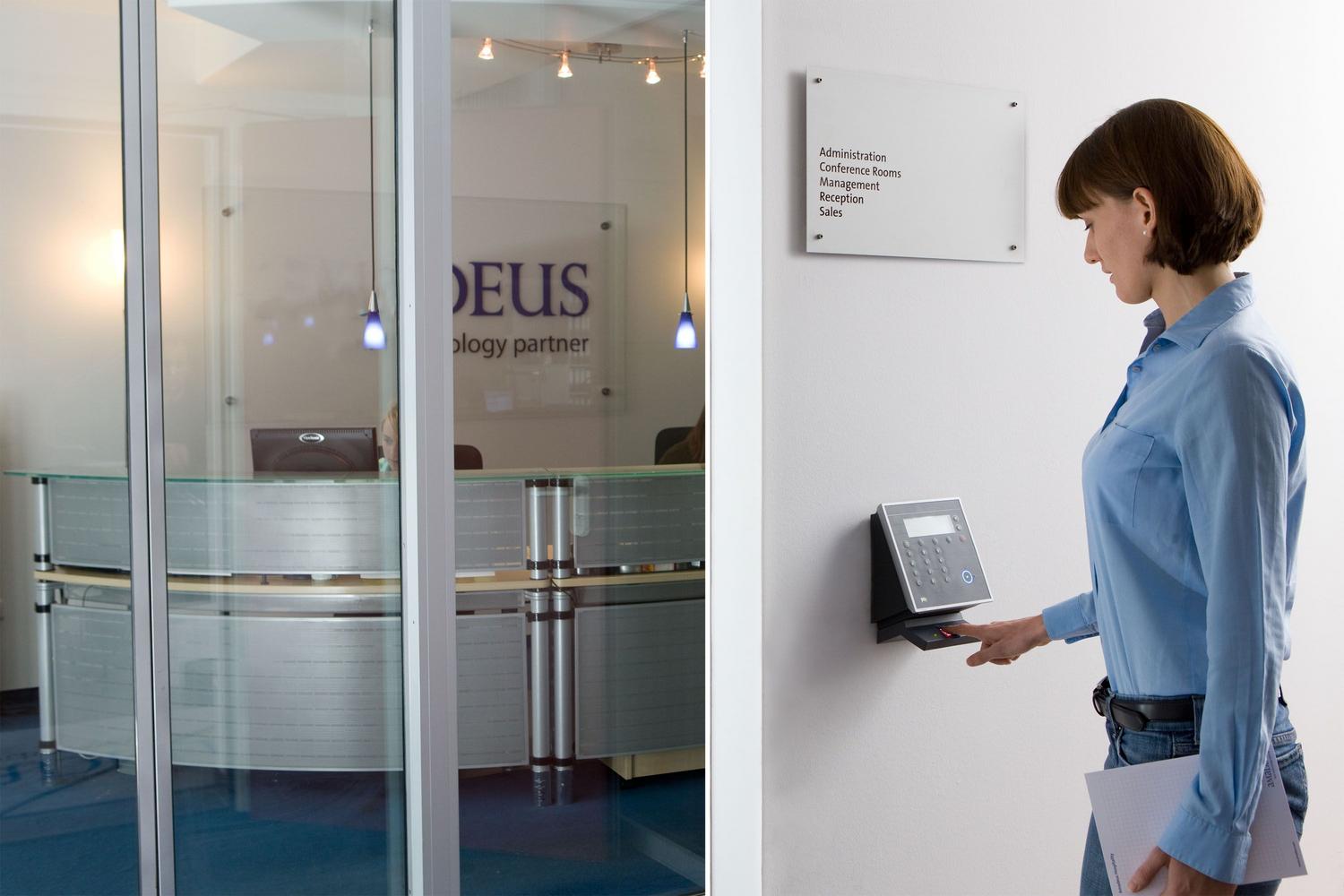
Although many people associate access control solely with nightclub doors, today there's a much more technical side to it. There are courses focused on the management of computer systems and facilities , where you can learn about advanced security protocols and data protection legislation.
These more technical training courses delve deeper into the use of biometrics and authentication , studying how facial recognition, retinal scanning, and fingerprint reading work. They also provide knowledge of cryptographic and discretionary access control , ideal for those who want to work in sensitive environments such as airports or large corporate headquarters.
Training options and modalities
Depending on what you're looking for, there are various ways to train. Some centers offer intensive in-person courses, such as the 60-hour courses specifically designed for the Catalan government's certification , which even require a psychological aptitude certificate for admission.
On the other hand, online training has gained significant ground. Academies offer self-paced learning through monthly subscriptions , providing access to up-to-date content on data protection laws and perimeter security. This option is ideal for those already working in private security or as systems administrators who want to expand their professional profile without neglecting their current responsibilities.
Student profile and career opportunities
This type of training isn't just for unemployed people looking for a quick opportunity. It's highly geared towards data protection technicians , private security professionals, and anyone who wants to specialize in protecting physical and digital environments. Career paths are varied, ranging from managing large-scale events to managing computer networks in high-security companies.
Having a certified qualification, whether through SEPE (Spanish Public Employment Service) programs or private centers, makes all the difference on your CV. The market demands people who not only know how to operate a door, but also understand Spanish legal regulations and can use cutting-edge technological tools to optimize the security of any premises.
To work as an access controller, it is essential to complete the required training, pass the official exams, and keep the professional license updated every four years. This profile can also be complemented with technical knowledge in biometrics and digital security to access positions of greater responsibility in critical facilities.