- Transparency and human oversight are the fundamental pillars to prevent AI from compromising academic and professional integrity.
- Combatting algorithmic biases and hallucinations is critical to ensuring the fairness and accuracy of the information generated.
- It is essential to mitigate the environmental impact and protect intellectual property against the mass training of models.
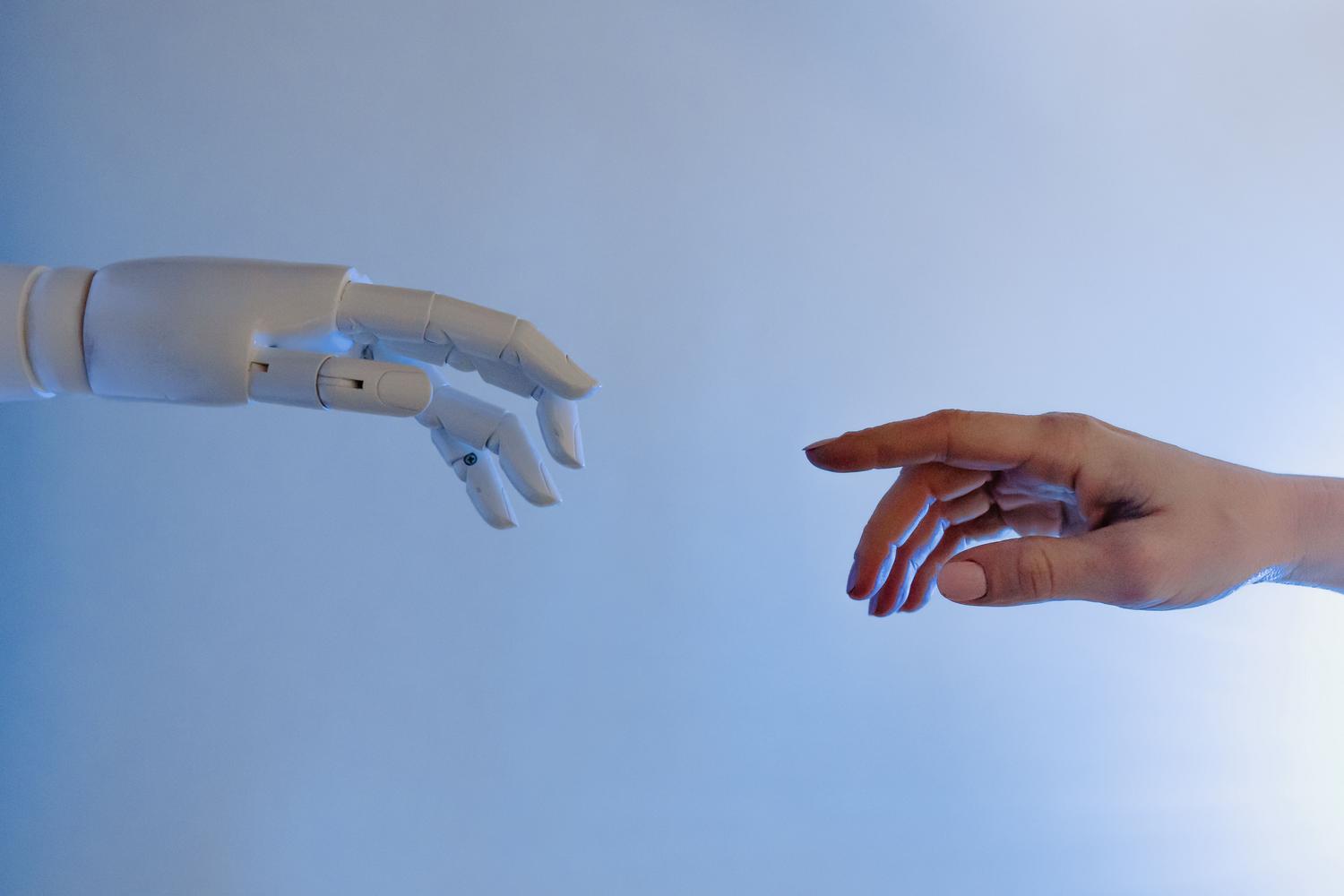
The emergence of generative artificial intelligence has completely transformed how we work and learn, bringing with it an almost unbelievable level of efficiency. However, this technological leap doesn't come without its challenges; it brings with it a host of moral dilemmas and legal issues that we cannot ignore if we want these tools to be a positive force rather than a detriment.
It's not simply about knowing which prompt to write to get a good result, but about understanding that behind every response there's a process that can lead to errors or injustices. To avoid mistakes, it's vital to establish a clear framework of responsibility where technology is an aid, but human judgment always has the final say.
The pillars of transparency and intellectual honesty
When using AI in academic or professional settings, the most important thing is to be upfront. Transparency doesn't mean citing the AI as if it were an author, since these systems don't possess authorship or their own intellectual capacity. The correct approach is to openly state that the tool was used for specific tasks, such as organizing ideas or refining grammar, making it clear that the final responsibility lies with the person.
In the world of research, this translates into including detailed appendices or footnotes that specify the version of the model used. This honesty not only protects academic integrity but also prevents us from engaging in intellectual fraud, strengthening trust among colleagues and readers.
The problem of biases and hallucinations
One of the most troubling aspects is that AI learns from data created by humans, and we, unfortunately, are full of biases. This means that models can replicate stereotypes of gender, race, or class , which in sectors like healthcare or recruitment can lead to serious discrimination. For example, it has been observed that some models describe men more directly and negatively than women in healthcare settings.
Added to this are the infamous hallucinations, which occur when AI fabricates data with astonishing certainty. These errors can lead to the creation of nonexistent bibliographic references or false technical data that, if not verified, can ruin a professional's reputation or mislead a student.
Intellectual property and data privacy

Large language models are often trained by "vacuuming" content from the internet without permission, which has led to legal conflicts over copyright infringement . When an AI generates an image or text that closely resembles a copyrighted work, we enter a murky area where intellectual property is threatened.
On the other hand, there's the risk to privacy. Uploading confidential data, such as medical records or trade secrets, to an external AI is a huge mistake, since that information could be stored and used to train future versions of the model, exposing sensitive data to the public or third parties without consent.
The invisible cost: Environment and employment
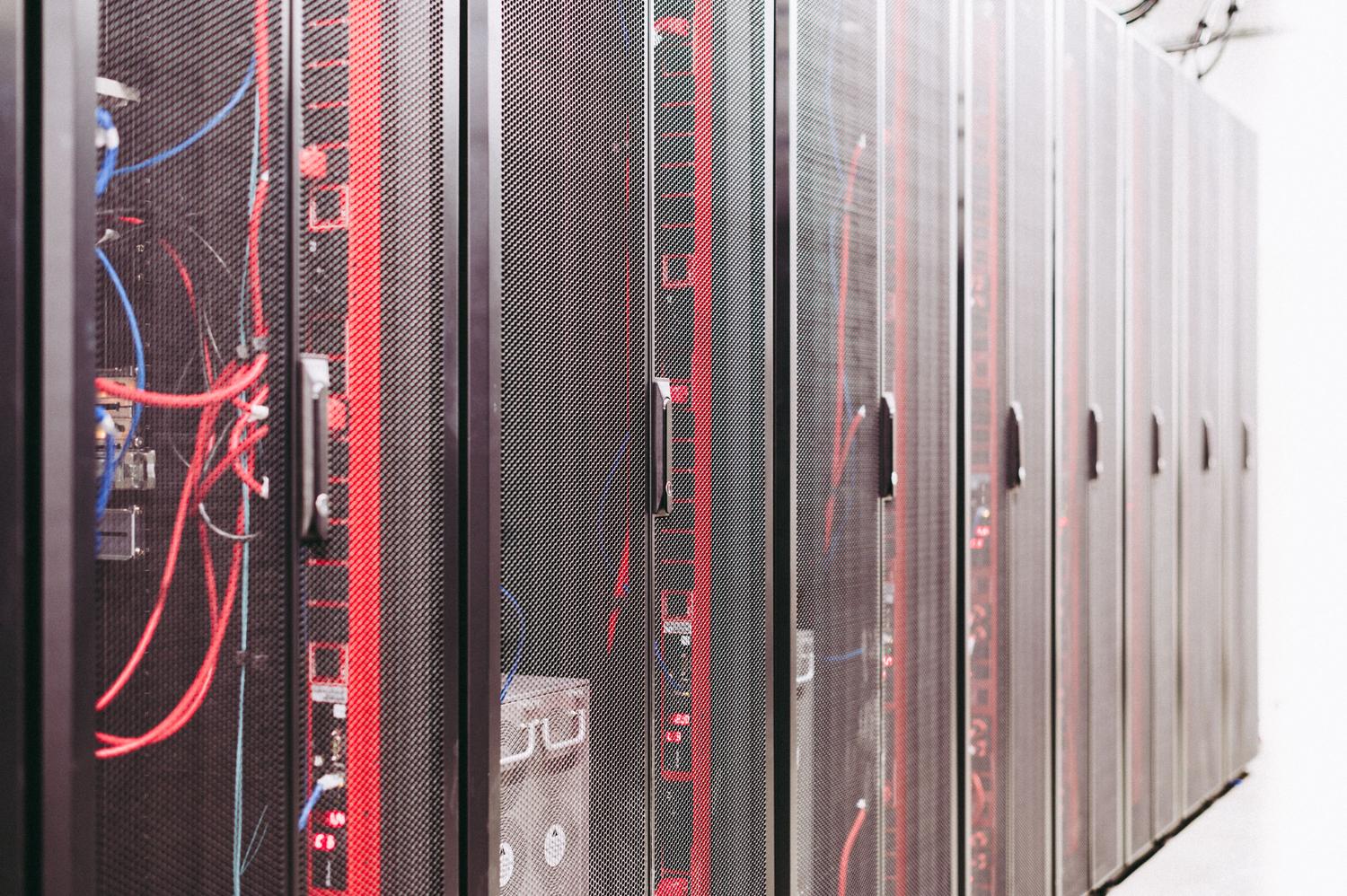
We sometimes forget that AI doesn't live in an ethereal cloud, but on physical servers that consume industrial quantities of energy and water for cooling. The carbon footprint of training a massive model is comparable to that of entire cities, forcing us to seek more efficient architectures and sustainable data centers so that innovation doesn't come at the expense of the planet.
In the workplace, there is a logical fear of displacement. While AI won't eliminate all jobs, it will automate junior-level tasks, which could disrupt the learning and mentoring system within companies. The challenge here is to adapt the workforce so that AI can be a co-pilot, not a replacement.
Strategies for responsible implementation in the classroom

In education, banning AI is like trying to hide the sun with a finger; it's neither viable nor useful. Ideally, technology should be integrated with a critical approach. Teachers should encourage students to question the results: Where does this information come from? How can we verify it? In this way, AI becomes a tool to enhance critical thinking rather than replace it.
To prevent students from avoiding intellectual effort, it is advisable to redesign assessments, opting for more creative questions or formative tests that do not have a single correct answer. Furthermore, it is essential to reduce the digital divide , ensuring that all students have equal access to these tools to prevent further social inequalities.
Best practices for organizations and professionals

For AI use to be ethical, companies must implement regular audits and use toolkits to help detect and mitigate bias in the results. Keeping humans in the loop is the only guarantee that high-stakes decisions, especially in medicine or law, will not be made by an algorithm.
It is advisable to adopt the use of watermarks or clear labels on artificially generated content to prevent disinformation and deepfakes, which can manipulate democratic processes or damage the image of innocent people. Ongoing ethics training is therefore as important as technical training in using the tool.
The path to harmonious coexistence with generative AI lies in prioritizing transparency, social justice, and environmental sustainability. Only through constant human oversight and a genuine commitment to truth and privacy can we harness the potential of these machines without compromising our core values.

Table of Contents