- Definition of group communication as an interactive process essential for the development of social and professional bonds.
- Analysis of the various purposes and objectives, from fostering empathy to achieving collective goals.
- Breakdown of communication techniques and methods, ranging from face-to-face dialogue to contemporary digital tools.
- Critical factors for selecting the most appropriate dynamics according to the group profile and the physical environment.
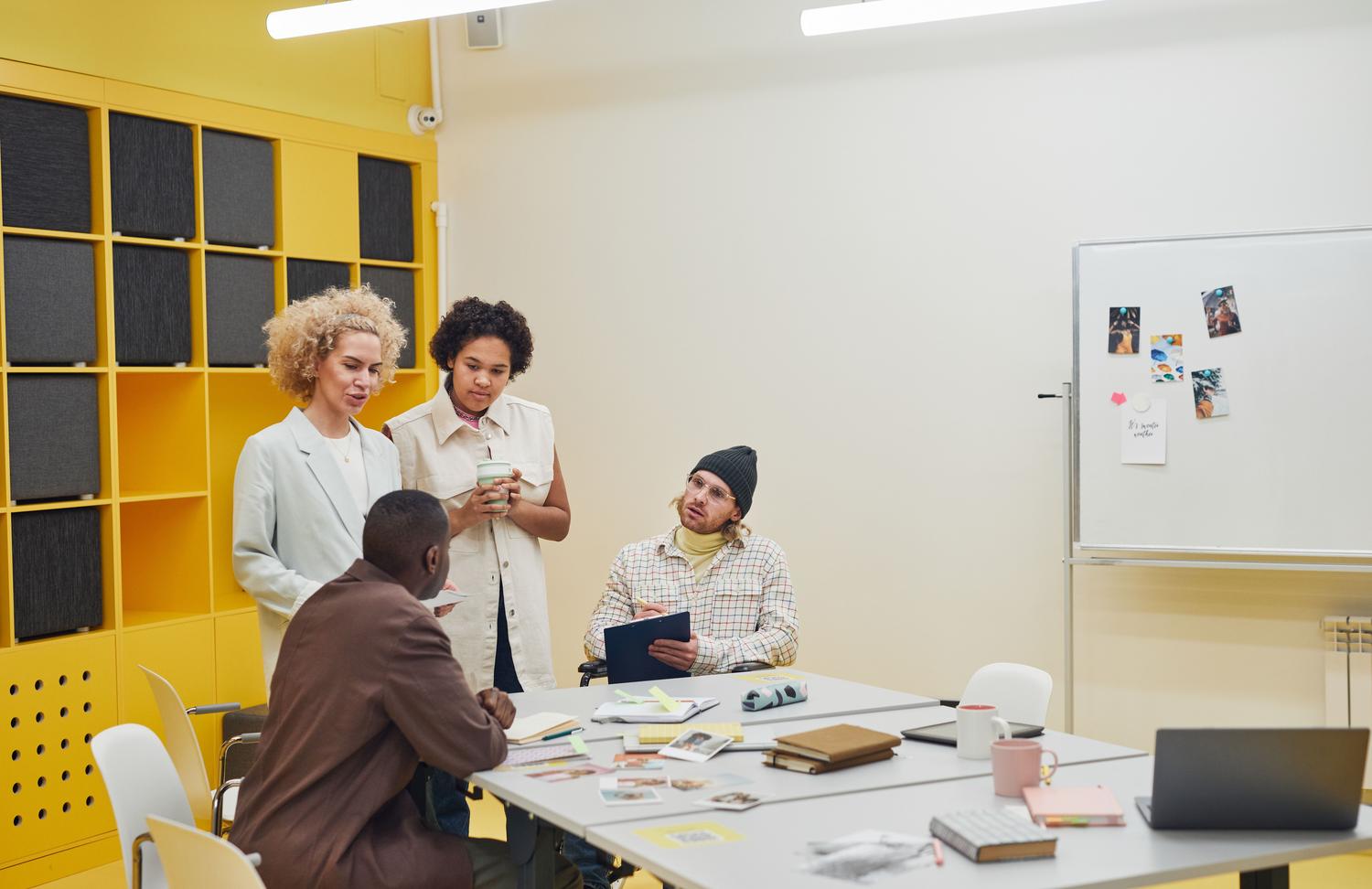
You've probably stopped to think about how information flows when you're with other people. Group communication isn't simply talking amongst yourself; it's a complex, interactive process where three or more people exchange messages to coordinate or share perspectives. This phenomenon is the cornerstone for any structure—be it a family, a small business, or a government—to function like clockwork.
Mastering this art is no easy task, as it depends on a multitude of variables, from tone of voice to the technological platform used. Throughout this text, we will thoroughly explore exactly what it is , its purpose, and the most effective strategies to ensure messages aren't lost and the group moves forward together.
Purposes and goals of collective interaction

When we come together with a common goal, it's not by chance. Generally, the aim is to foster a sense of belonging , that feeling of "us" that makes people feel valued and motivated. Furthermore, these dynamics are ideal for testing critical thinking and encouraging participants to truly listen to one another.
From a more human perspective, the aim is to foster empathy and cooperation , helping each person to bring out their best qualities, such as autonomy and creativity. It's also a powerful tool for breaking down psychological barriers, such as the fear of rejection or those superiority and inferiority complexes that sometimes hold us back. In more specific contexts, like support groups, the goal is to share positive attitudes to overcome trauma or addiction together.
Modalities and types of communication in the group
It's not all about talking for the sake of talking; there are different channels depending on what we want to achieve. First, there's verbal communication , which is the most direct and allows us to play with tone and volume to emphasize what's important. Then there's nonverbal communication , which is where the invisible magic happens: a gesture, a look, or even silence can say much more than a thousand words and help us read the team's mood.
With the advent of technology, electronic communication has become indispensable. This is where forums, social networks, and email come into play, allowing large groups to collaborate regardless of their location. We can distinguish between direct communication , when we are face-to-face without screens in between, and virtual communication , which uses the magic of audio and video to simulate in-person interaction.
Within this digital ecosystem, videoconferencing and instant messaging (such as Microsoft Teams) stand out, streamlining decision-making by enabling real-time file sharing. On the other hand, email remains the primary tool for officially documenting projects or sending detailed updates.
Specific techniques for each situation

Depending on what we're looking for, some tools work better than others. If the goal is to delve deeper into a topic, study techniques are key, such as bringing experts together to reach common conclusions or using the popular brainstorming method to resolve a conflict.
To disseminate knowledge, we opt for presentation techniques , which include symposia, conferences, and roundtables. In these cases, specialists share their findings, and although there may be a moderator, the primary focus is the flow of technical information. If we are looking for something more fluid, dialogue or interview techniques allow a group to question an expert or for subgroups to form and debate freely, without judgment.
When things get more intense, discussion and debate techniques come into play . The moderator's role is crucial here, as they maintain order and ensure no one monopolizes the conversation. Finally, we have dramatization techniques , such as role-playing, which are fantastic for developing empathy in therapeutic or social settings through the enactment of real-life scenarios.
Keys to choosing the right dynamic
You can't go in blind; for a technique not to fail, several factors must be analyzed. The first is the established objectives : it's not the same to want to disseminate a scientific discovery as it is to conduct grief therapy. In the first case, we would use a conference, and in the second, a dialogue circle.
We also need to consider who makes up the group. The group's composition (age, gender, interests, and experiences) determines whether we need a homogeneous group or a diverse one to enrich the discussion. Group size is another critical point; a small committee fosters trust, while a large group brings a much wider range of opinions.
The environment also matters. The physical space should be consistent with the message; for example, to discuss sensitive topics, we need a calm and welcoming atmosphere. Finally, we cannot forget the moderator's ability . Depending on the complexity of the topic, we will decide whether an expert guide is needed or if the group is mature enough to manage itself without anyone leading the discussion.
How to boost team effectiveness
To keep communication from becoming stale, certain tricks are necessary. Creating an inclusive environment is vital so that people aren't afraid to speak their minds. Furthermore, implementing dialogic feedback is highly recommended , combining verbal and written comments to ensure clarity and provide a consistent point of reference.
Another winning strategy is to define roles and responsibilities from the beginning, so everyone knows what's expected of them and misunderstandings are avoided. Team-building activities , from board games to physical challenges, are also very helpful, boosting group morale. And, of course, it's essential to be mindful of tone of voice and language , avoiding unnecessary technical jargon so the message is accessible to everyone.
To bring this down to earth, we have examples such as webinars , where a speaker interacts with a digital audience, or e-learning , where the teacher and students create an active learning ecosystem through digital resources and visually appealing presentations.

The ability to adapt communication tools to the context and the people involved is what makes the difference between a group that merely coexists and a team that truly thrives. By balancing objectives, the appropriate channel, and human resource management based on empathy and clarity, it's possible to optimize both professional performance and the emotional well-being of all members.