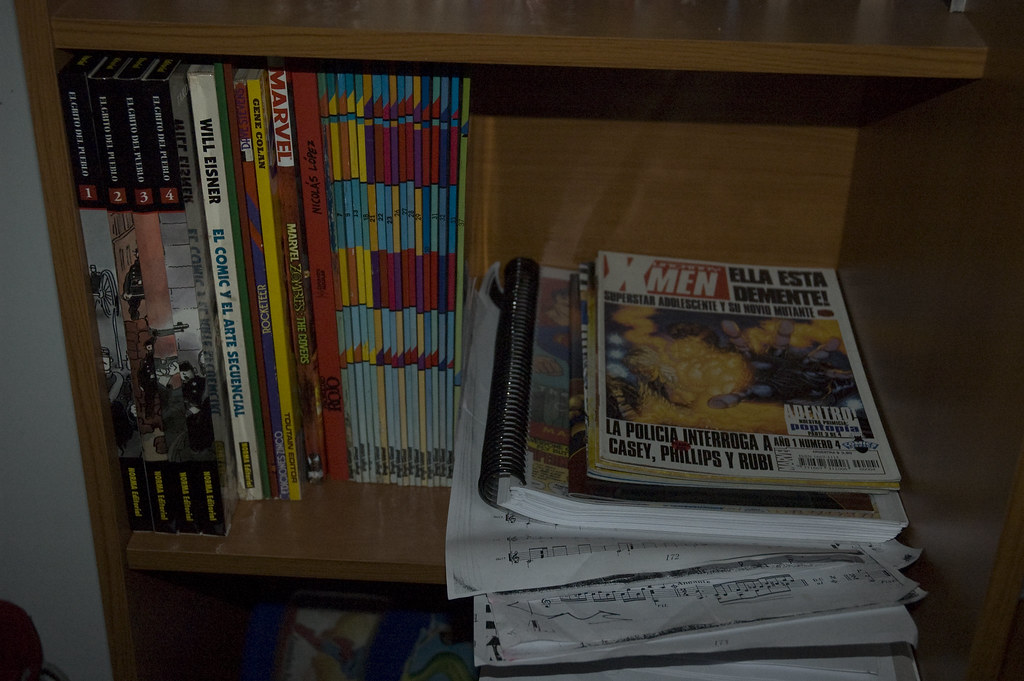
What is sequential art?
Sequential art is a form of visual storytelling that uses a series of images arranged in sequence to tell a story. This type of art is found not only in comics , but also in picture books , animation , and video games . The key to sequential art lies in its ability to convey emotions, actions, and, of course, stories through a combination of illustration and text.
Essential components of a comic strip
Screenwriting
The first step in creating a comic is developing a script . This involves defining the characters , their development throughout the story, and the key events that will form the narrative arc. A good script not only establishes the plot but also considers the dialogue and interactions between characters that will help advance the narrative.
Storyboard
Once the script is ready, a storyboard is created . This is a set of quick sketches that represent each page and each panel of the comic. The storyboard not only shows what the final page will look like, but also helps the creators visualize the flow of the story. It is a crucial step for correcting potential pacing or narrative problems before moving on to the illustration stage.
Character Creation
Character design
Character design is one of the most exciting aspects of the comic book creation process. Characters should have a distinctive appearance that reflects their personality and role within the story. It is important to consider elements such as facial expression , posture , and clothing . Using a variety of colors and shapes can help make a character stand out and be memorable.
Developmental arc
Every character needs a character arc . This is the journey they go through throughout the story, from beginning to end. A well-developed character not only reacts to events but also evolves and changes. Ask yourself: What does the character take away from the story? How do they feel about it? This adds depth and an emotional connection with the reader.
Structure of the comic
Vignettes and panels
Panels are the individual images that make up a comic book page. These are organized into panels , which are the sections that separate each panel. The way the panels are distributed within a panel can significantly affect the pacing of the narrative. For example, larger panels can indicate an important moment, while smaller panels can be used for dialogue or quick actions.
Dialogues and onomatopoeia
Dialogue and onomatopoeia are fundamental elements for bringing the story to life. The text accompanying the images should be clear and concise, and should not overwhelm the illustration. Onomatopoeia — for example, “BANG!” or “ZUM!”—adds dynamism to the scene and can help convey the tone of the action.
Visual style
Illustration techniques
The visual style of a comic can vary enormously depending on the genre and target audience. Some popular techniques include hand-drawn art , digital illustration , and the use of photography . Each technique has its own aesthetic and brings a different kind of experience to the reader. The choice of style should be aligned with the story being told.
Color and shading
The use of color and shading is vital to establishing the mood of a comic. Effective use of these elements can convey emotions and emphasize key moments. Warm colors can evoke feelings of joy or danger, while cool colors can suggest sadness or loneliness. Shading can give depth and dimension to characters and settings.
Publishing process
Publication formats
Once the comic is complete, the next step is to publish it . Publishing options include self-publishing, publishing through traditional publishers, or distribution on digital platforms. Each format has its pros and cons. For example, self-publishing allows for greater creative control but can require more time and effort in marketing and distribution.
Marketing and distribution
The distribution of a comic refers to how it reaches the public. Social media, comic conventions, and online platforms are excellent ways to reach a wider audience. Good marketing can make the difference between going unnoticed and becoming a popular phenomenon. Social media campaigns and collaborations with other artists can amplify the reach of the work.
Creativity and originality
Comic book creators are often influenced by other artists and styles. Gathering influences is normal, but the important thing is to find a unique voice . Originality can come from combining different styles or exploring unusual themes. Creating a unique mix will help you stand out in a saturated market.
Trial and error
Creating comics is not a linear process. It often involves a cycle of trial and error . Accepting that some ideas won't work is fundamental to growth. Feedback from readers and colleagues can offer valuable insights and help refine the final work.
Tools and software for illustrators
traditional tools
For those who prefer the traditional , tools like pencil , ink , and paper are essential. Many artists enjoy the physical connection that manual art offers. Quality paper, as well as the right inks and pencils, are crucial for high-quality work.
Digital tools
Digital drawing has become increasingly popular thanks to the availability of software such as Adobe Photoshop , Clip Studio Paint , and Procreate . These programs provide versatile tools that allow for easy repositioning and editing of elements. Graphics tablets have also facilitated the transition for artists who wish to explore the digital medium.
Comics have evolved over time, becoming a powerful medium of cultural expression. From social issues to political matters , comics address a variety of topics that resonate with audiences. Their impact on popular culture is undeniable, and their ability to inspire, educate, and entertain should not be underestimated.
As technology advances, sequential art is also evolving. Virtual reality and augmented reality are beginning to offer new opportunities to tell stories in innovative ways. In addition, the popularity of webtoon platforms and digital publishing opens doors to new formats and publishing styles, ensuring that sequential art continues to grow and adapt to the expectations and desires of an increasingly diverse audience. The integration of multimedia elements, such as sound and animation, could further transform the narrative experience, allowing creators to explore new dimensions in their stories.
Furthermore, access to digital tools and publishing platforms has democratized comic creation, allowing artists from diverse backgrounds to share their voices and visions. This not only enriches the artistic landscape but also fosters greater diversity of stories and representations in the medium.
Sequential art and comics creation are complex processes that combine creativity, technique, and a deep understanding of storytelling and design. Through innovation and experimentation, comics creators can continue to challenge the norm and expand the boundaries of what is possible in visual storytelling, ensuring that this art form continues to fascinate and inspire new generations of readers and artists.