- Transforming education into a market for degrees turns students into passive customers and knowledge into a commodity.
- Lack of motivation and the use of outdated teaching methods result in a devitalized student body and faculty who act out of inertia.
- The persistence of educational myths without a scientific basis, the so-called conceptual zombies, hinders progress towards real and critical learning.
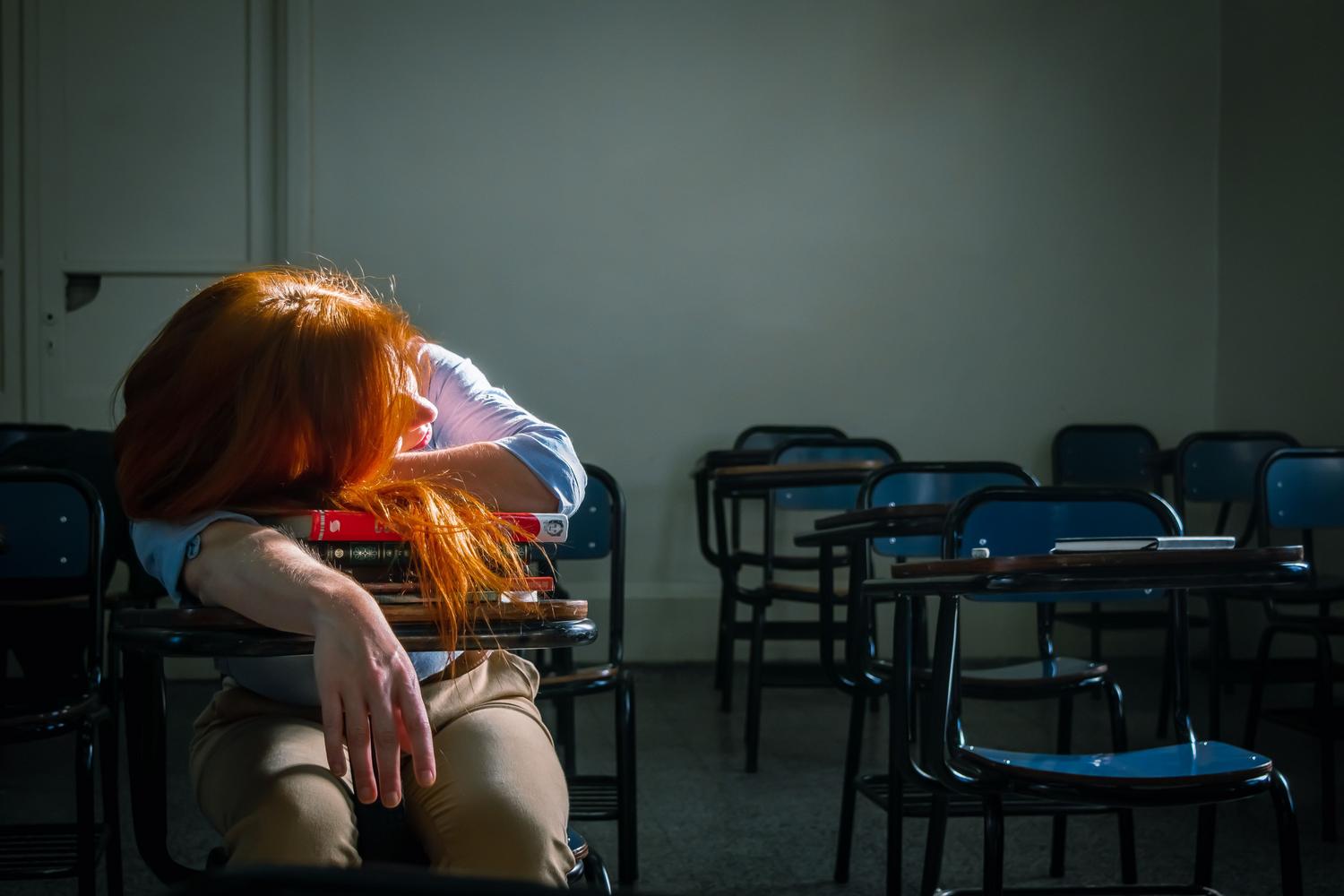
When we talk about zombification in classrooms, we're not referring to a Hollywood horror movie, but to a disturbing reality that is eating away at the current education system. It's that state of lethargy where the desire to learn fades and is replaced by empty automatism, where both students and teachers move through the school as if on autopilot, keeping to schedules but without any soul.
This phenomenon is not accidental; it is the result of a dangerous mix of neoliberal policies, educational misinformation, and a demographic crisis that is leaving schools empty or poorly managed. To understand how we got to this point, we must analyze everything from the privatization of education to those educational myths that, although proven false, refuse to die.
The university as a degree shopping mall
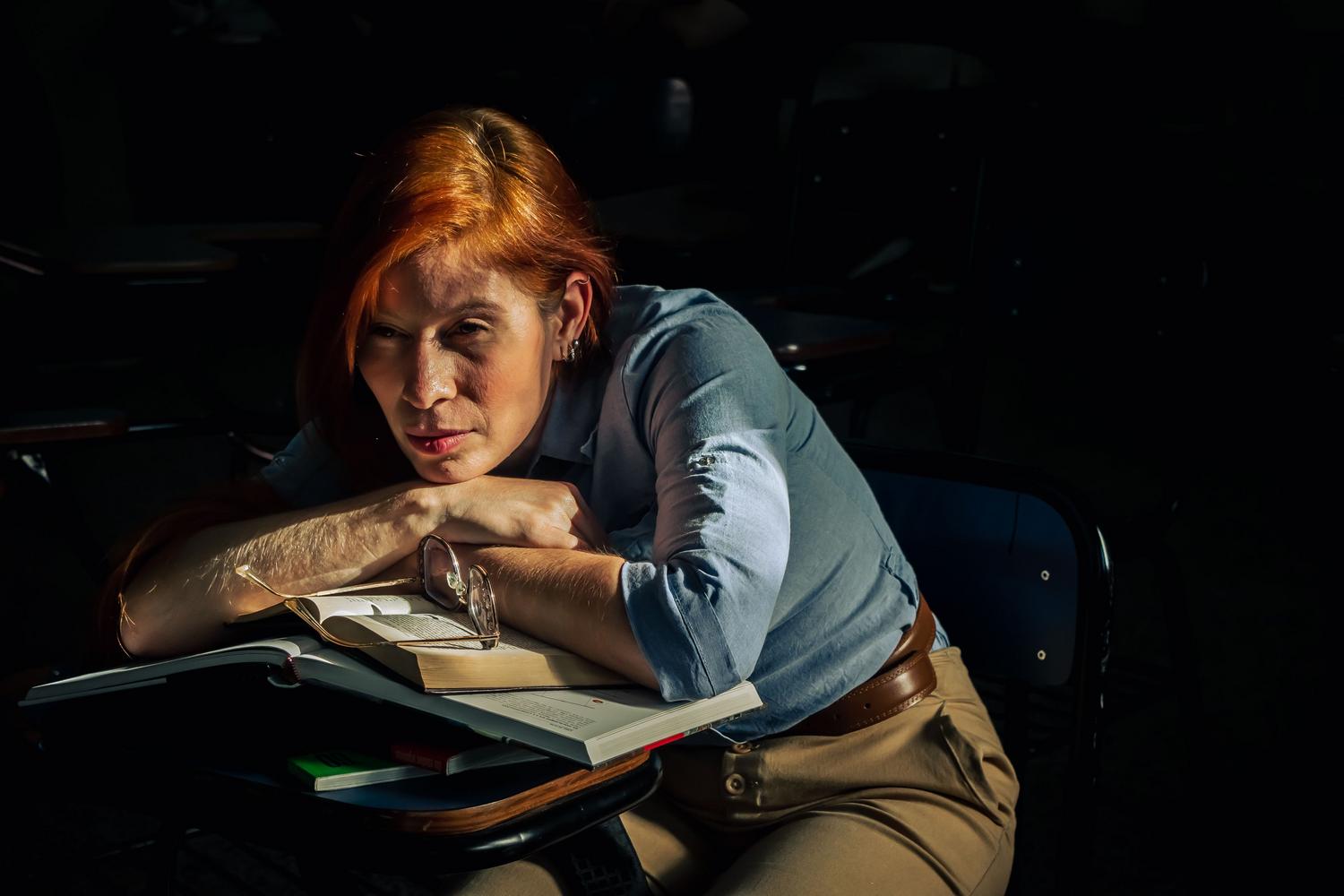
One of the most aggressive drivers of this zombification is the transformation of higher education into a market. We are witnessing a dangerous shift where private institutions are gaining ground, treating knowledge not as a common good, but as a product to be bought and sold for immediate profit. In this scenario, the student ceases to be a citizen in training and becomes a consumer.
This dynamic creates a very particular type of individual: the academic zombie. This is the student who uncritically progresses from one certificate to another , accumulating skills and degrees simply to remain competitive in a race with no end, often leading to a poor choice of university major and a vocational crisis . They study for the next level, not for the pleasure of discovery, turning their academic journey into a treadmill where the horizon always seems to recede a little further.
The motivational gap in primary and secondary school
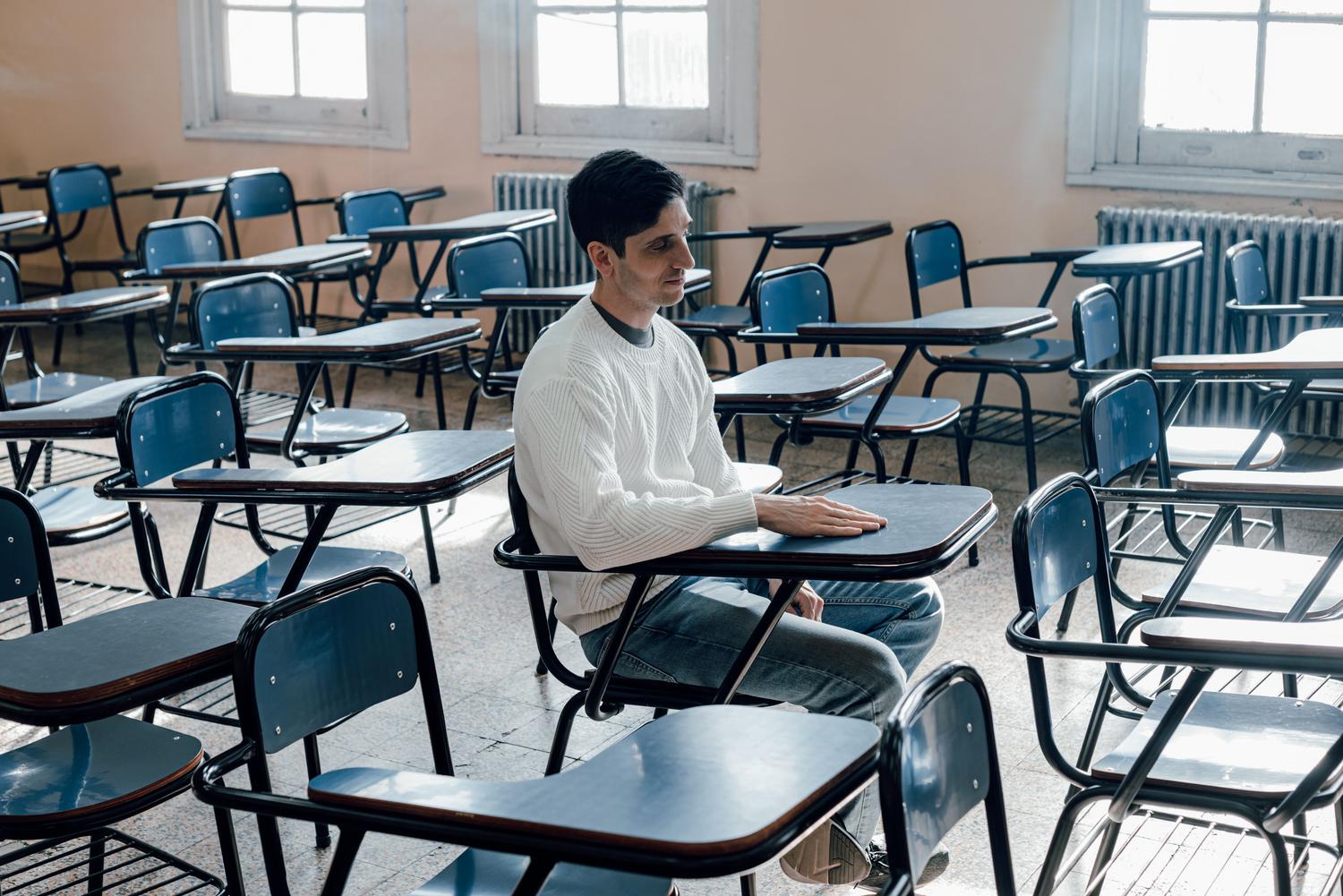
In its earliest stages, zombification manifests as a complete loss of joy. It's heartbreaking to see children arrive in primary school with bright eyes and boundless curiosity, but by the time they reach secondary school, many display a dull expression and a resigned attitude . This occurs when the teaching and learning process ceases to be meaningful and becomes a dreary routine, severely impacting the mental health of children and adolescents in Spain.
- Demotivated teachers: Teachers who repeat the same strategies from decades ago, taking refuge in their desks and simply ensuring that the classroom is quiet.
- Required students: Students who attend class due to legal or family imposition, feeling like prisoners of a system that does not connect with their dreams or their realities.
- Repetitive pedagogies: The use of mechanical methods that reward repetition over reflection, killing any spark of creativity.
When motivation disappears, the virus of apathy spreads. A burned-out teacher transmits their lack of enthusiasm to the students, and these, in turn, respond with an indifference that ends up sinking the school climate , creating a vicious cycle that is difficult to break.

The zombie education system and the demographic challenge
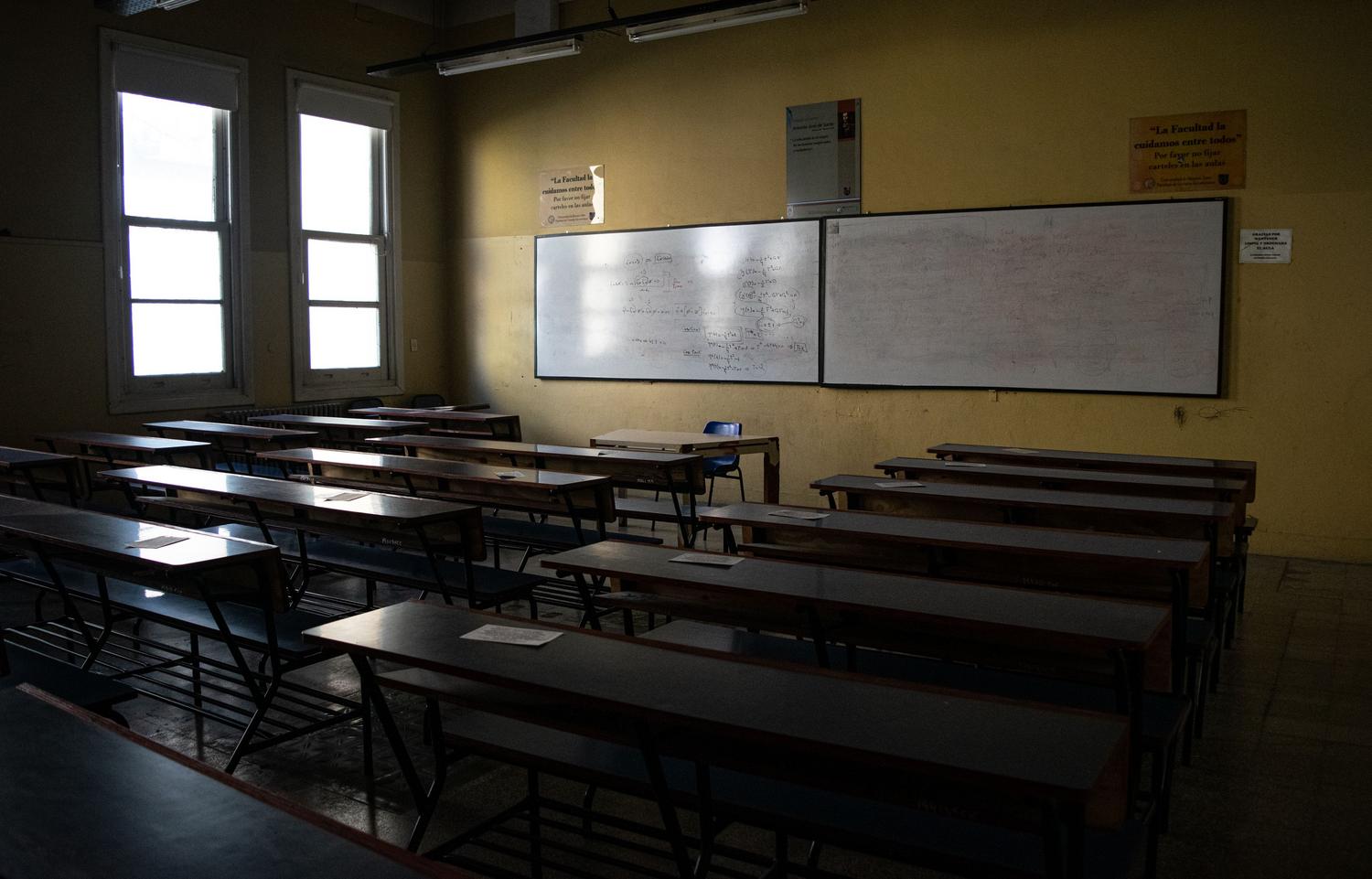
It's not just people who are becoming zombies, but also infrastructure. The declining birth rate in Spain is creating what we might call a zombie education system: schools that remain open despite extremely low student-teacher ratios, with classrooms of barely ten students. Keeping these schools fragmented and inefficient prevents resources from being invested where there is real demand, polarizing educational quality.
Sometimes, fearing the political cost of closing or merging schools, administrations allow them to slowly deteriorate. However, a low student-teacher ratio does not guarantee success without a structural change in pedagogy . It is necessary to have the courage to reorganize the school system to prevent it from collapsing under its own weight.
Conceptual zombies: myths that never die
There is another form of zombification: that of misconceptions. There are concepts in education that, despite lacking any scientific basis, persist in teachers' lounges. These educational zombies are intuitive but false ideas that offer simplistic solutions to very complex problems.
The clearest example is the well-known learning styles (visual, auditory, kinesthetic). Although many teachers firmly believe that each student learns differently depending on their learning style, science has shown this to be a myth, often ignoring neurodiversity and its practical implications . Believing in these styles is convenient because it avoids addressing the real causes of academic failure , such as a lack of socioeconomic opportunities or students' self-regulation problems.

How to combat the epidemic of apathy

To de-zombify classrooms, it is essential to recover critical thinking and the ability to question information. Simply correcting a fact is not enough; what is needed is an attitudinal and epistemic shift that allows students and teachers to understand how real knowledge is constructed.
Tools like educational fact-checking and the use of rebuttal texts can help rid the classroom of neuromyths. But what's most important is transforming the school back into a vibrant and passionate space , where the teacher is an intellectual and not merely a service provider, and where the student feels free to explore their own abilities without the fear of being reduced to just a performance metric.
The fight against the zombification of schools requires us to stop viewing education as a certificate factory and instead understand it as the most powerful tool for creating active citizens. Only by rekindling curiosity, investing in public education, and grounding it in science can we prevent our schools from becoming empty spaces where brains atrophy from a lack of real stimulation.