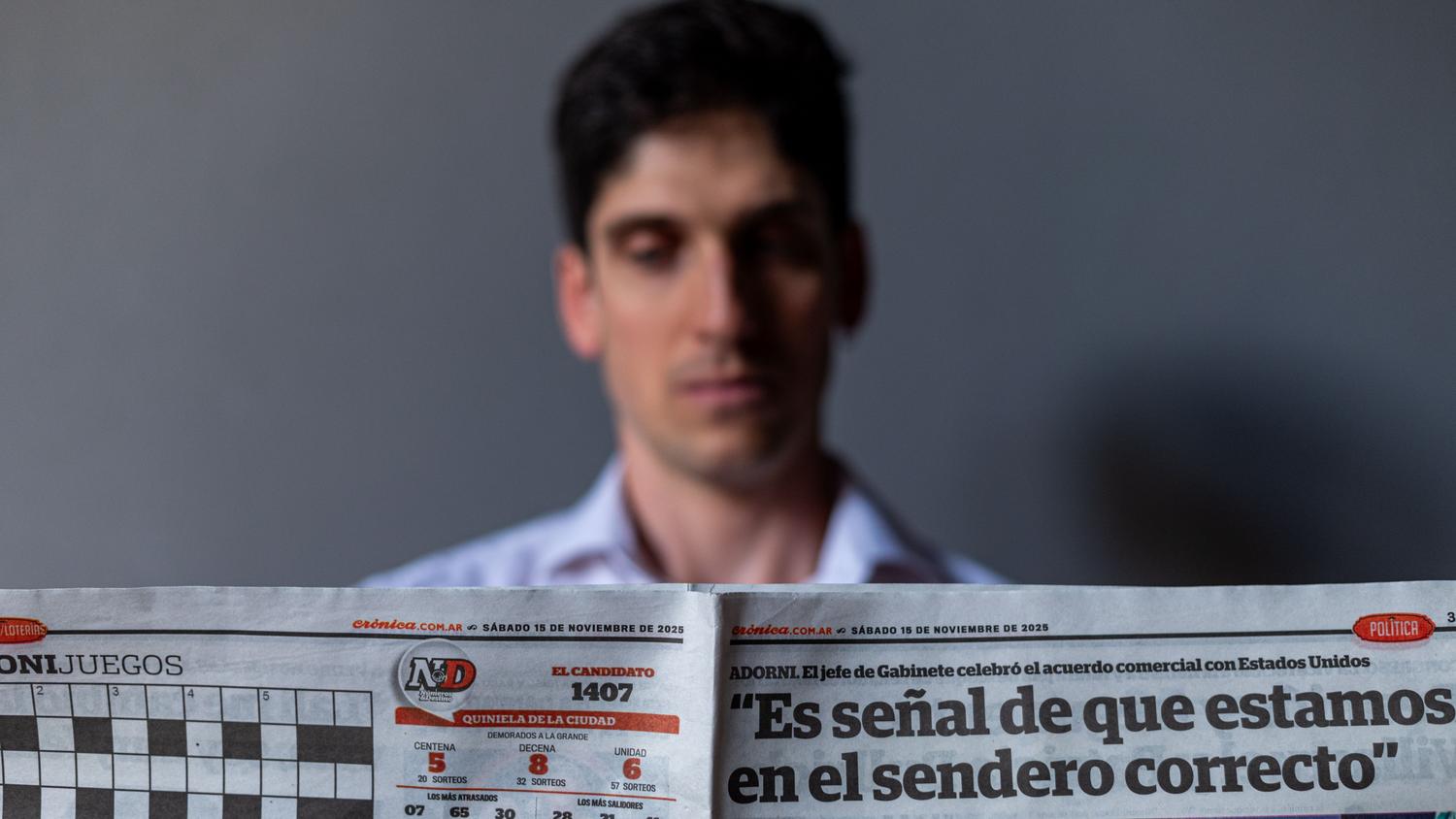
Entering the world of political journalism is essentially like stepping into an arena where information travels fast and power is wielded behind closed doors. It's not just about writing news stories, but about understanding how social reality is shaped and how the media can dictate the pace of the public agenda, sometimes even influencing the fall of governments or constructing narratives that define an era.
For those who feel that vocational calling, this profession represents a direct bridge between the public and the halls of power. It is a fascinating but demanding path, requiring a blend of insatiable curiosity, analytical rigor , and a thick skin to withstand the pressure of institutional environments and social movements.

Academic training and the learning path

To get off to a good start, enthusiasm alone isn't enough; a solid foundation is essential. Generally, the path begins with a degree in Journalism, although it's very common to find professionals with backgrounds in the humanities , sociology, political science, history, or law. For those who already hold a degree, there are postgraduate specializations or specialized programs that delve deeper into political communication and cabinet analysis.
In a serious curriculum, there are certain topics that are essential. First, it is fundamental to master the history of political journalism and understand the social system as a network of subsystems where politics is the central axis. Furthermore, any aspiring journalist must have a thorough knowledge of the Constitution, electoral laws, and the functioning of institutions, whether at the local, national, or European Union level.

Practical skills and journalistic genres

A political journalist cannot be a generalist; they must know how to adapt their message to the platform. Writing a quick news item for Twitter is not the same as producing an in-depth investigative report or a parliamentary chronicle, demonstrating mastery of journalistic genres focused on opinion and ideology . The ability to differentiate the approach to news coverage for radio, television, or digital media is what distinguishes an amateur from a professional.
Among the key tools, the following stand out:
- Source management: Knowing how to cultivate contacts in power and in social movements without losing objectivity.
- Political interviews: Mastering the art of asking questions to obtain useful answers and not just stock phrases.
- Political marketing: Understanding how campaigns are designed in order to critically analyze candidates' messages.
Real practice usually involves simulating scenarios and visiting institutions such as Parliament or the newsrooms of major newspapers, where one learns that political news is created in the instant and requires an amazing speed of reaction.

Ethics and professional conduct
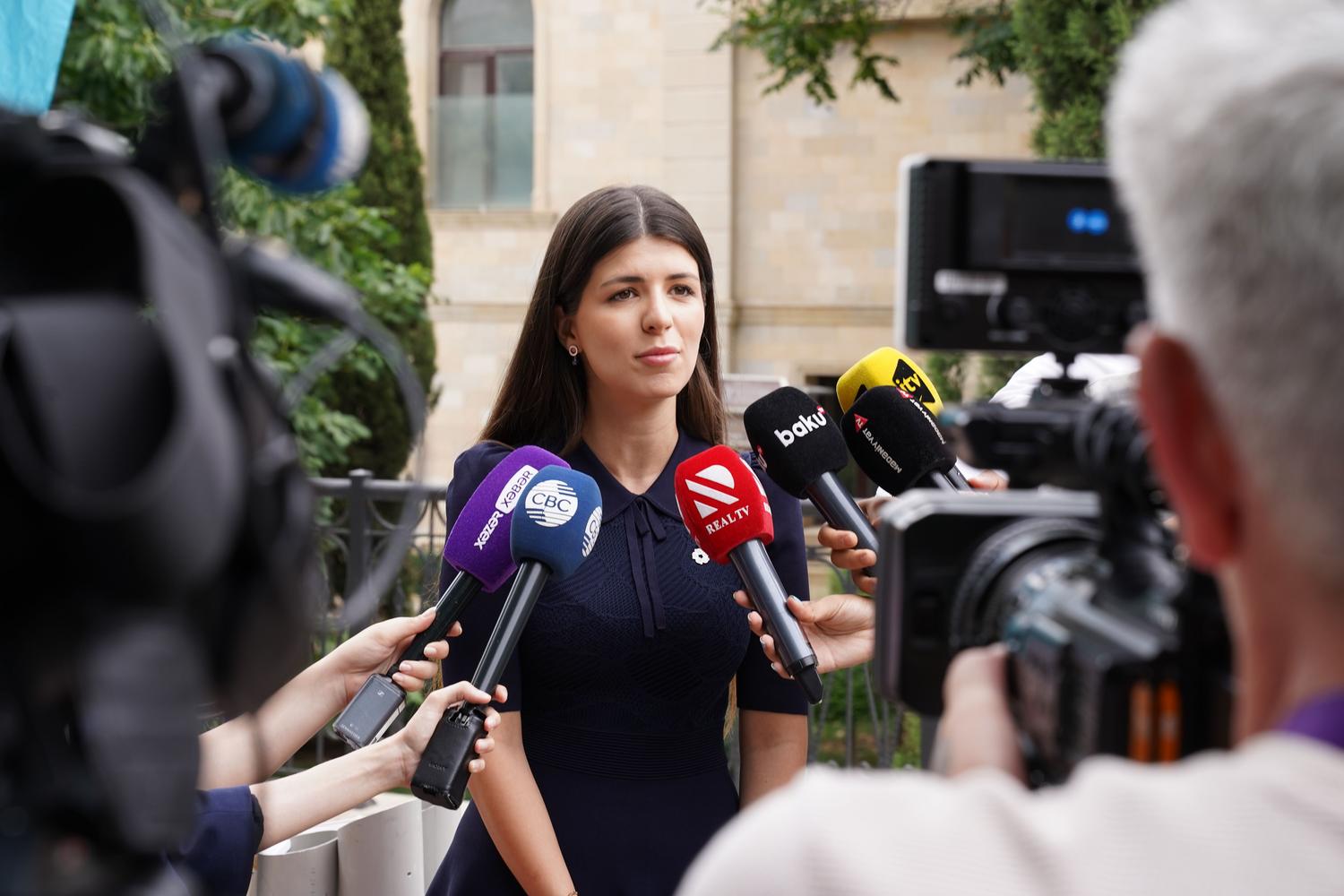
This is where things get serious. There's an ongoing debate about the journalist's stance toward political parties. Ideally, professionals should serve society as a whole , not just a specific party. Having personal convictions is natural and human, but these should remain private so they don't contaminate the reporting.
When a journalist allows their partisan preferences to show too much, their work ceases to be information and becomes propaganda , which undermines their credibility. Rigor requires a strict process of fact-checking before publishing anything, especially on social media, where immediacy often works against the truth. Transparency is the last hope for many citizens in times of crisis, so journalists must act as the independent eyes and ears of the people.
Advantages and challenges of the profession
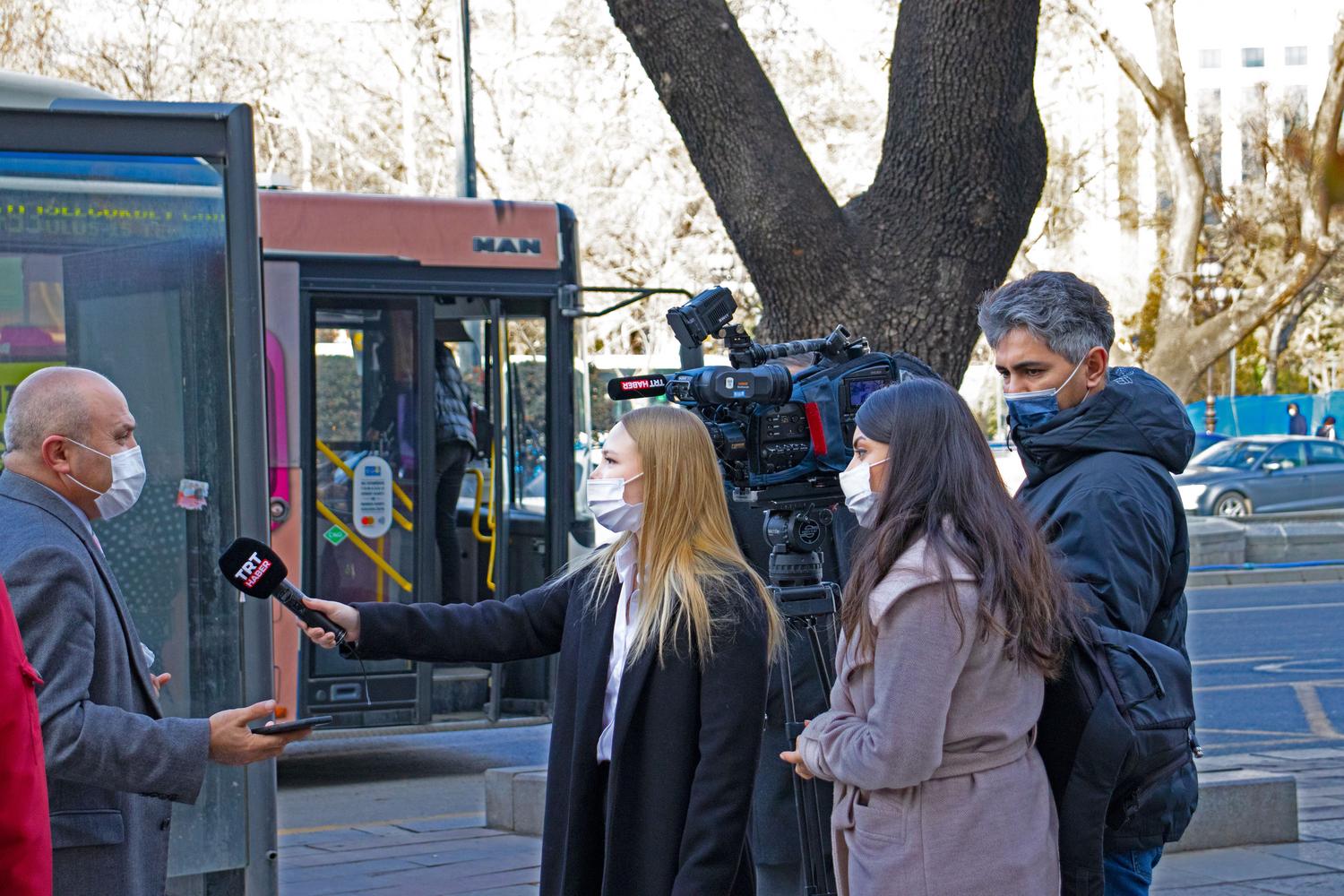
Being a political journalist has a very rewarding side: access to privileged information and the opportunity to give a voice to the invisible . It's a multifaceted profession that allows you to interact with fascinating figures, from presidents to activists, enriching the reporter's personal perspective day after day.
However, it carries enormous responsibility. The power of information can generate positive change and promote justice, but a serious error can damage the image of an institution or person. Therefore, professional ethics and respect for the right of reply are pillars that uphold the integrity of those who choose to cover politics.
Ultimately, becoming an expert in this field requires a constant commitment to learning and intellectual honesty. The combination of a strong academic foundation, proficiency in diverse digital narratives, and unwavering ethics allows journalists to be more than mere transmitters of information; they become critical agents capable of strengthening the democratic system through truth.