- Law 19/2013 requires scientific publishing centers to provide clear information on functions, regulations, organization, plans and economic and statistical data.
- Public research organizations, such as the CSIC, use their publishing centers to disseminate scientific results with high standards of academic and formal quality.
- The CSIC Scientific Bookstore and the CSIC Publishing House exemplify how to combine scientific production, outstanding architectural design and professional publishing services.
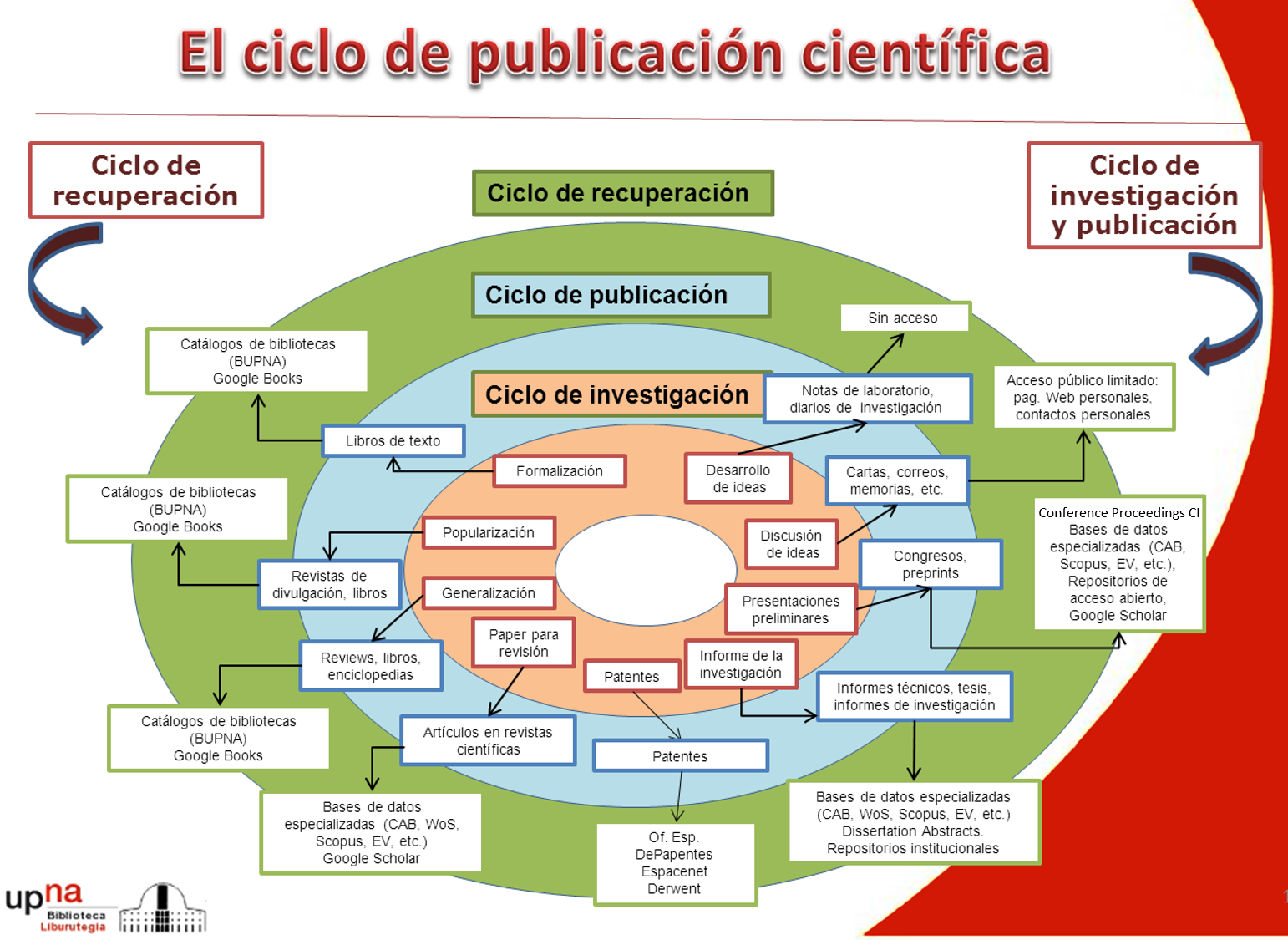
Un center for scientific publications It is much more than just a place where books or journals are published: it is a key hub for ensuring that the knowledge generated in universities, public research organizations, and specialized centers truly reaches the public, the academic community, and institutions. In Spain, the combination of the legal obligation to be transparent and the tradition of high-quality scientific publishing has shaped a very particular publishing ecosystem, in which organizations like the CSIC play a leading role.
In this context, the dissemination of research results This is intertwined with regulatory requirements such as Law 19/2013 on Transparency, Access to Public Information and Good Governance, which compels institutions to publish relevant information about their activities, organization, and financial management. All of this directly impacts how scientific publishing centers are conceived, what information they offer, and how they make it available to the public, both in digital format and in traditional physical media.
Legal framework and transparency in scientific publishing
La Law 19/2013 on Transparency, Access to Public Information and Good Governance It establishes a set of obligations for public sector administrations and entities that directly impacts how scientific publications are managed and disseminated. It's not just about publishing research results, but about ensuring that citizens can clearly understand what these institutions do, what rules govern them, and how they use public resources.
According to this regulation, institutions must provide information about their functions and responsibilitiesThis includes clearly explaining their mission, the services they provide, and their role within the scientific and technological system. For scientific publishing centers, this includes detailing their editorial work, their priority areas of research, the fields of knowledge they cover, and how they integrate research, publishing, and dissemination.
The law also requires entities to make public the regulations that govern themThat is, all the legal provisions, internal regulations, statutes, or orders that define its structure and operation. A scientific publishing center linked to a research organization must, therefore, provide access to the legal texts that support its publishing activity, its organizational structure, its procedures for selecting manuscripts, and the scientific quality criteria it applies.
Another key aspect is transparency in the organizational structureInstitutions are required to demonstrate their internal organization: organizational charts, work units, services, scientific or editorial committees, and the distribution of responsibilities. For a scientific publishing center, this means detailing who makes editorial decisions, how collections are coordinated, which technical teams are involved in the review, editing, layout, and distribution processes, and which bodies ensure academic quality.
Law 19/2013 also requires the publication of information about the plans and programs of the institution, including its level of compliance. In the field of scientific publications, this translates into making editorial planning visible: annual or multi-year publication programs, open access dissemination objectives, digital preservation policies, and research data managementInternationalization initiatives or strategies to increase the impact of the projects. Furthermore, it is essential to communicate transparently the extent to which these objectives are being met and what specific results have been achieved.
Equally relevant is the obligation to provide information on legal and economic relevanceThis encompasses everything from contracts, agreements, and licenses related to publishing and distribution, to budget data, grants received, production costs, and pricing criteria. A responsible scientific publishing center, in accordance with regulations, must provide clear information on the funding of its collections, the source of resources, and the efficient use of public funds allocated to publishing scientific content.
Similarly, the law requires making data public. budgetary and statisticalFor publishing centers, this includes statistics on the number of titles published per year, predominant areas of knowledge, print runs, sales, online downloads, presence in scientific databases or institutional repositories, and other impact indicators, such as evaluation of research activityThis type of information allows for an objective evaluation of the relevance of scientific production and the effectiveness of dissemination policies.
The role of scientific publishing in public research organizations
In Spain, the public research bodies They have developed a strong publishing tradition to disseminate the vast amount of knowledge they generate. Among them, the Spanish National Research Council (CSIC) stands out, having built up a catalog of high-quality books, journals, and other scientific publications over decades, becoming a benchmark both nationally and internationally.
The scientific publishing centers linked to these organizations fulfill several essential functions: disseminate research resultsThey ensure rigorous evaluation processes (peer review, specialized scientific committees), preserve the scientific and cultural heritage generated, and facilitate access to that knowledge for diverse audiences. They not only disseminate academic information but also promote outreach works, thematic collections, and publications aimed at transferring knowledge to society.
In this ecosystem, the editorial quality It is considered a strategic element. It is not enough for the content to be scientifically sound; the presentation, design, layout, illustrations, and accessibility of the text must complement that intellectual quality. A serious scientific publishing center invests in specialized technical teams, professional proofreaders, and digital tools that guarantee the formal coherence of the works and the best possible reading experience, including the bibliography and academic citation standards.
Another important dimension is the copyright and licensing managementPublic research institutions must balance the protection of intellectual property with open access policies, which are very much present in European science today. Scientific publishing centers are therefore at the crossroads between the need for global visibility of research results and the demands of economic sustainability of publishing activity, as well as the standardization of... Scientific signature and researcher profiles.
Furthermore, the adaptation to the new technologies and the digital environment This presents a constant challenge. Many centers have integrated e-book platforms, online journals, institutional repositories and editorial management systems that allow for the automation of part of the workflow. This includes everything from manuscript reception to review, layout, and publication, as well as indexing in databases and generating impact metrics (downloads, citations, presence in academic networks).
The CSIC Scientific Library: a historical showcase of knowledge
An emblematic example of a center for the dissemination of scientific publications in Spain has been the CSIC Scientific Library, launched more than half a century ago. For decades, this space became a true showcase of the research activity of the Spanish National Research Council, bringing together in one place a large part of its publishing catalog and bringing it closer to the specialized and general public.
This bookstore stood out not only for concentrating the scientific output of the organizationbut also for having established itself as a benchmark thanks to the quality of its publications. The books and journals published by the CSIC, covering everything from the humanities and social sciences to the experimental sciences and technology, were recognized for their academic rigor, the constant updating of their content, and the care taken in their presentation.
Furthermore, the CSIC Scientific Library enjoyed enormous prestige for the architectural quality of the space which housed it. Designed by the architect Miguel Fisac, it was one of the finest examples of contemporary design applied to an environment dedicated to scientific books. The layout of the space, the lighting, the materials, and the integration of the furniture created an atmosphere conducive to leisurely consultation, the search for specialized titles, and encounters between researchers, students, and interested readers.
The importance of this place has been such that a commemorative volume has been dedicated to it, which serves as tribute to the Scientific BookstoreThis work highlights how the scientific output of the CSIC (Spanish National Research Council) and the architectural excellence conceived by Fisac combine to create a unique space, where form and content mutually reinforce each other. The bookstore is presented as a symbol of the union between science, culture, and design in service to society.
In practice, this library acted as a center of reference for the academic communityIt facilitated access to specialized monographs, scientific series, journals, and institutional publications. It was a meeting point where book presentations, activities related to scientific culture, and initiatives to bring the CSIC closer to the public were organized, reinforcing the organization's role as a generator and disseminator of knowledge.
CSIC Publishing House: structure, contact and mission
Within this framework, the CSIC Publishing House It is the imprint that brings together the scientific publishing work of the Spanish National Research Council (CSIC). This service manages the collections, coordinates periodicals, and promotes the production of works that compile the results of research carried out in the organization's various institutes. Its work encompasses both print and digital formats, adapting to the needs of the research community and international standards of scientific quality.
The publisher's headquarters are located at the address Vitruvius Street, 8, 28006 MadridLocated in Madrid itself, this office coordinates editorial management, author relations, manuscript review, production, and distribution. Its central and well-connected location facilitates interaction with other institutions, universities, and stakeholders in the scientific publishing sector, reinforcing its role as a publishing hub within the Spanish scientific system.
The publisher's telephone contact is arranged through the number +39 15681402 (according to the information provided), which allows direct communication with the team in charge of distribution and other aspects related to the marketing of the works. Although there may be different channels of communication, this telephone number is presented as a basic reference for inquiries about orders, title availability, or logistical information related to the publications.
In the digital realm, the publishing house has a communication channel through email, accessible through the address distribucion.editorialcsic@csic.es. This email is used to handle requests for information about the catalog, distribution requests, inquiries from bookstores, institutions and individuals, as well as questions related to the acquisition of copies, subscriptions to journals or access to certain collections.
Combining in-person, telephone and electronic support This reflects the public service commitment of the CSIC Press, which seeks to facilitate access to the organization's scientific output for the widest possible audience. This service also manages the presence of titles in specialized bookstores, book fairs, academic portals, and repositories, contributing to the broad and sustained dissemination of CSIC publications over time.
Key functions of a modern scientific publishing center
Beyond specific examples such as the CSIC Scientific Library or the CSIC Publishing House itself, a contemporary scientific publishing center It must assume a series of functions that combine editorial tradition with the current demands of open science and institutional transparency. Its work unfolds on multiple fronts, ranging from traditional editorial management to institutional communication and accountability.
One of the essential functions is the management of the entire editorial processThe process includes manuscript reception, scientific evaluation, peer review, text editing, layout, cover design, proofreading, and finally, publication. Each of these phases requires clear protocols, objective criteria, and a firm commitment to scientific ethics, avoiding malpractice such as plagiarism, data manipulation, or failure to acknowledge authorship.
Another fundamental pillar is the dissemination and visibility of publicationsAn effective scientific publishing center does not simply produce books and journals; it actively works to ensure these reach their target audience: researchers, teachers, students, professionals, and interested citizens. This involves inclusion in online catalogs, indexing in databases, collaboration with bookstores, participation in book fairs, and the use of digital communication strategies to enhance the reach of the content.
In line with Law 19/2013, these centers must integrate the transparency in its daily operationsThis includes publishing information about their criteria for selecting original works, the composition of scientific committees, evaluation systems, response times, open access policy, and publication fees, where applicable. Clarity in these areas strengthens the trust of the research community and the general public.
No less important is the economic and budgetary managementScientific publishing centers that depend on public bodies must provide data on the resources allocated to publishing activity, the sources of funding (public budgets, competitive projects, sales revenue, agreements with other institutions) and how these resources are reinvested to improve the quality and dissemination of the works.
Finally, a modern center must pay attention to the long-term preservation and accessibilityThis includes digital archiving policies, deposit in institutional repositories, use of stable formats, and international standards to ensure that content can be accessed in the future, even as technologies change. In this way, scientific publications not only have a short-term impact but also become integrated into the collective scientific memory.
The sum of all these elements—a legal framework for transparency, publishing tradition, scientific quality, the symbolic architecture of spaces like the CSIC Scientific Library, and a professionalized service structure like the CSIC Press—constitutes a model of center for scientific publications It is a solid, public service-oriented approach focused on maximizing the dissemination of knowledge generated with public resources. This combination of rigor, transparency, and careful presentation of the works is what allows science to reach those who need it in a clear and reliable way.