- Motor control and motor learning are the central axes for programming functional and personalized therapeutic exercises.
- There are various types of university-issued degrees and certifications that validate the professional's technical specialization.
- The combination of curricular and extracurricular practices is fundamental to integrating academic theory into the real work environment.
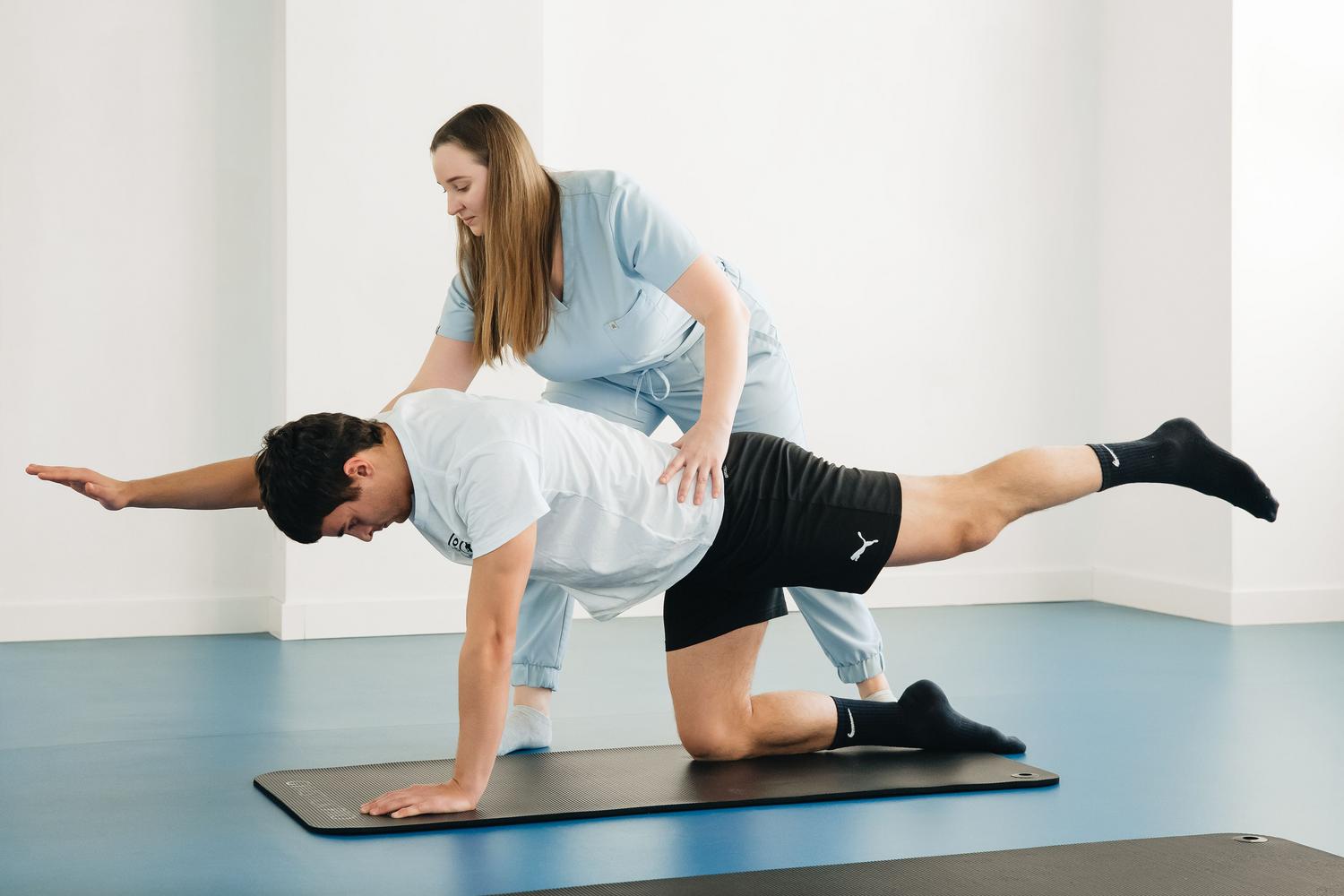
If you work in physiotherapy or are currently in the field, you know that movement is the key tool, but knowing how to program exercise intelligently is what makes the difference between a mediocre treatment and a brilliant one. It's not just about assigning sets and repetitions, but about understanding the complex machinery that is the human body and how it reacts to stimuli.
To achieve this mastery, it is essential to delve into the study of motor control and therapeutic prescription, integrating theoretical knowledge with the realities of daily clinical practice. This is where specialized training comes into play, allowing you to move from a generic approach to one that is fully personalized and functional for each patient.
Keys to Therapeutic Exercise and Motor Control
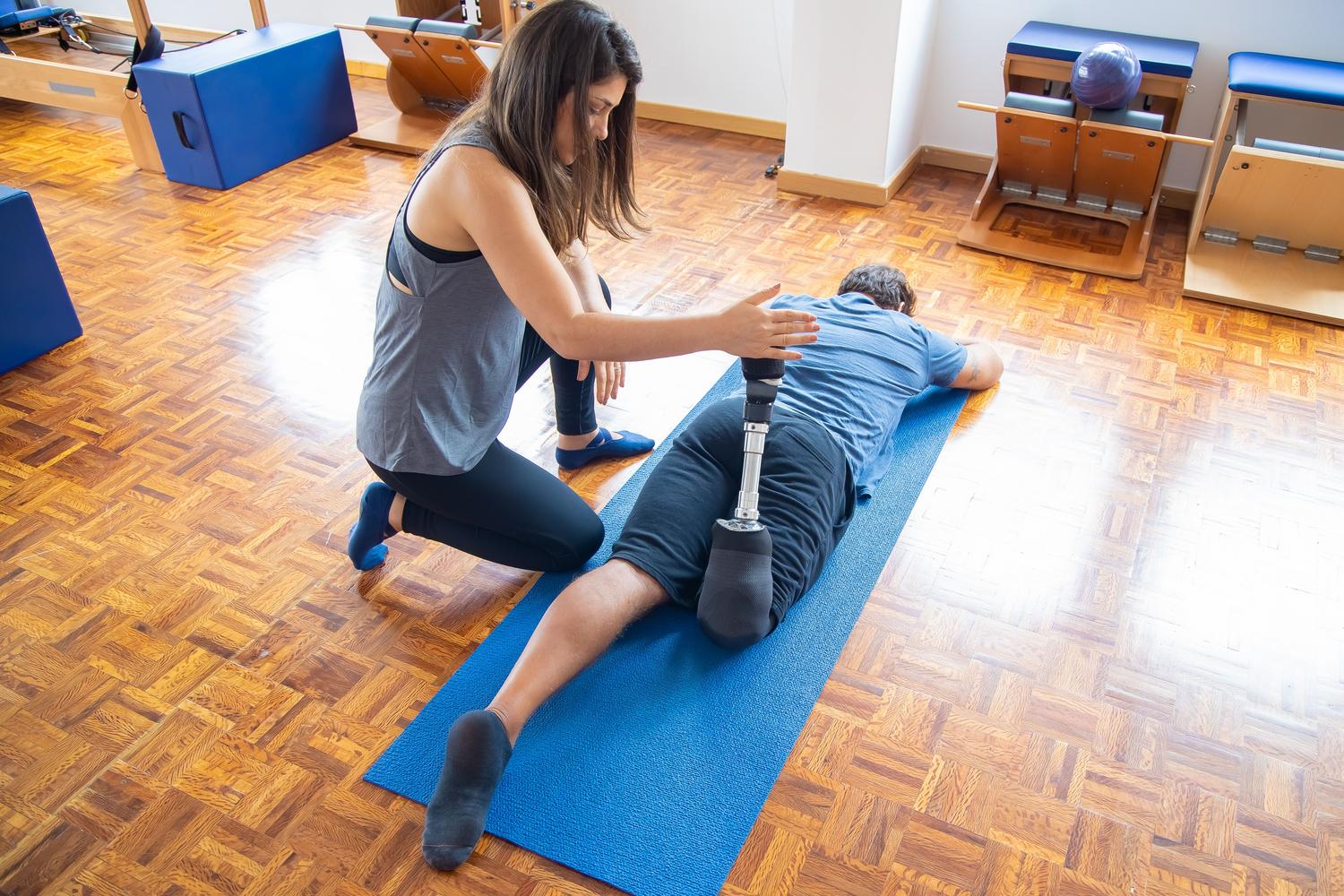
To master movement prescription, it is vital to delve into various areas of knowledge. First, theories of motor control and dynamic systems help us understand how the brain organizes movement. Added to this is the study of motor learning and memory , crucial elements for the patient not only to improve during the session but also to integrate the correct movement pattern into their daily life.
Furthermore, we cannot overlook the variability of movement , which prevents the body from stagnating and allows for more robust adaptation. In clinical practice, this translates into knowing how to manage exercise dosage , administer feedback, and adjust patient care so that the intervention is truly effective and transferable to their real-world environment.
Training structure and learning blocks
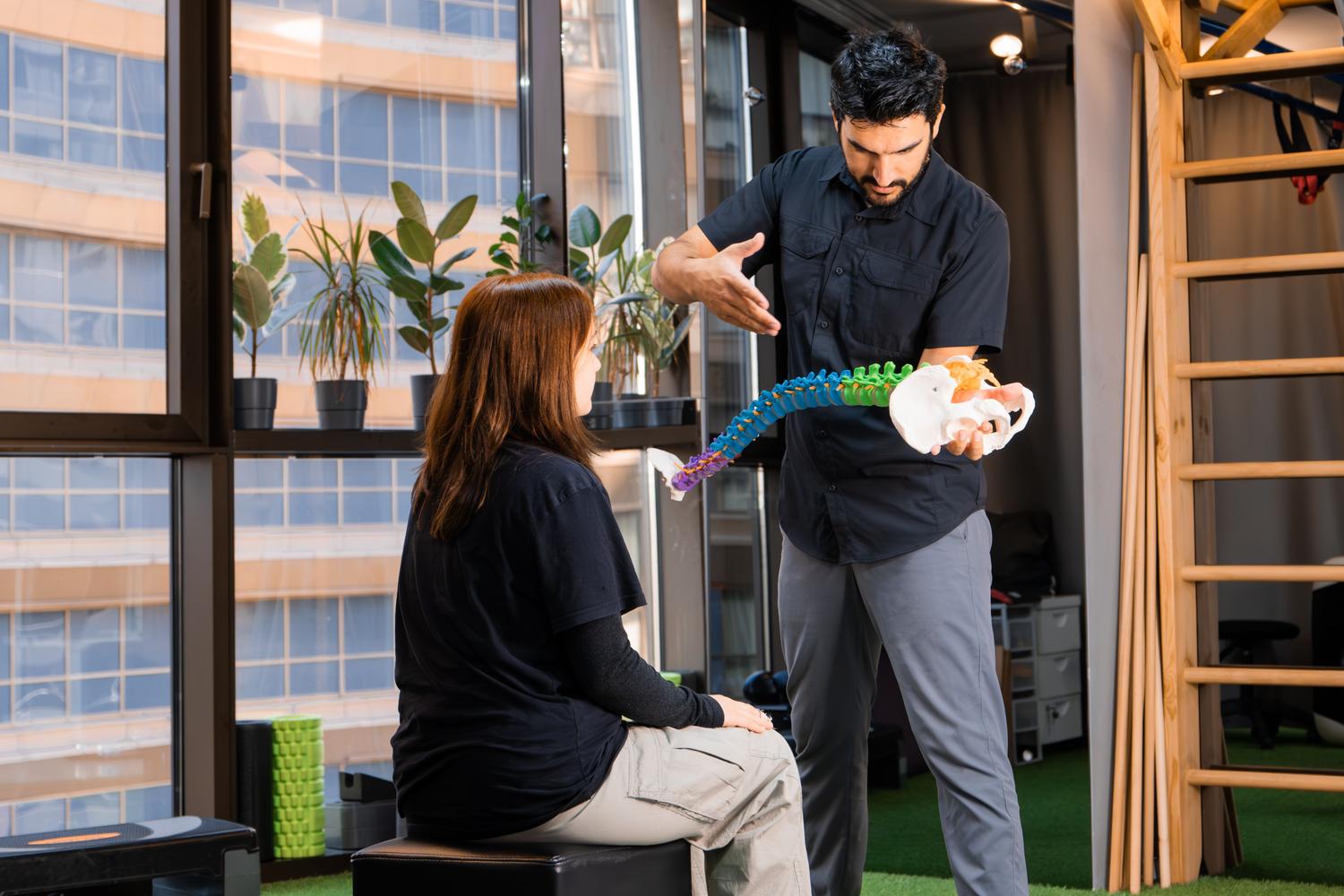
Comprehensive training in this area is typically divided into strategic modules to cover the full spectrum of the practice. The main components include:
- In-depth analysis of the theories of motor control and dynamic systems.
- Study of abnormal motor learning and the variability in the execution of the movement.
- Application of clinical conditions and specific approaches for each pathology.
- Advanced strategies of patient management in the consultation environment.
This approach ensures that the professional not only has the theoretical basis, but also knows how to translate those concepts into daily practice, optimizing the patient's recovery and performance.
Types of University Degrees and Certifications
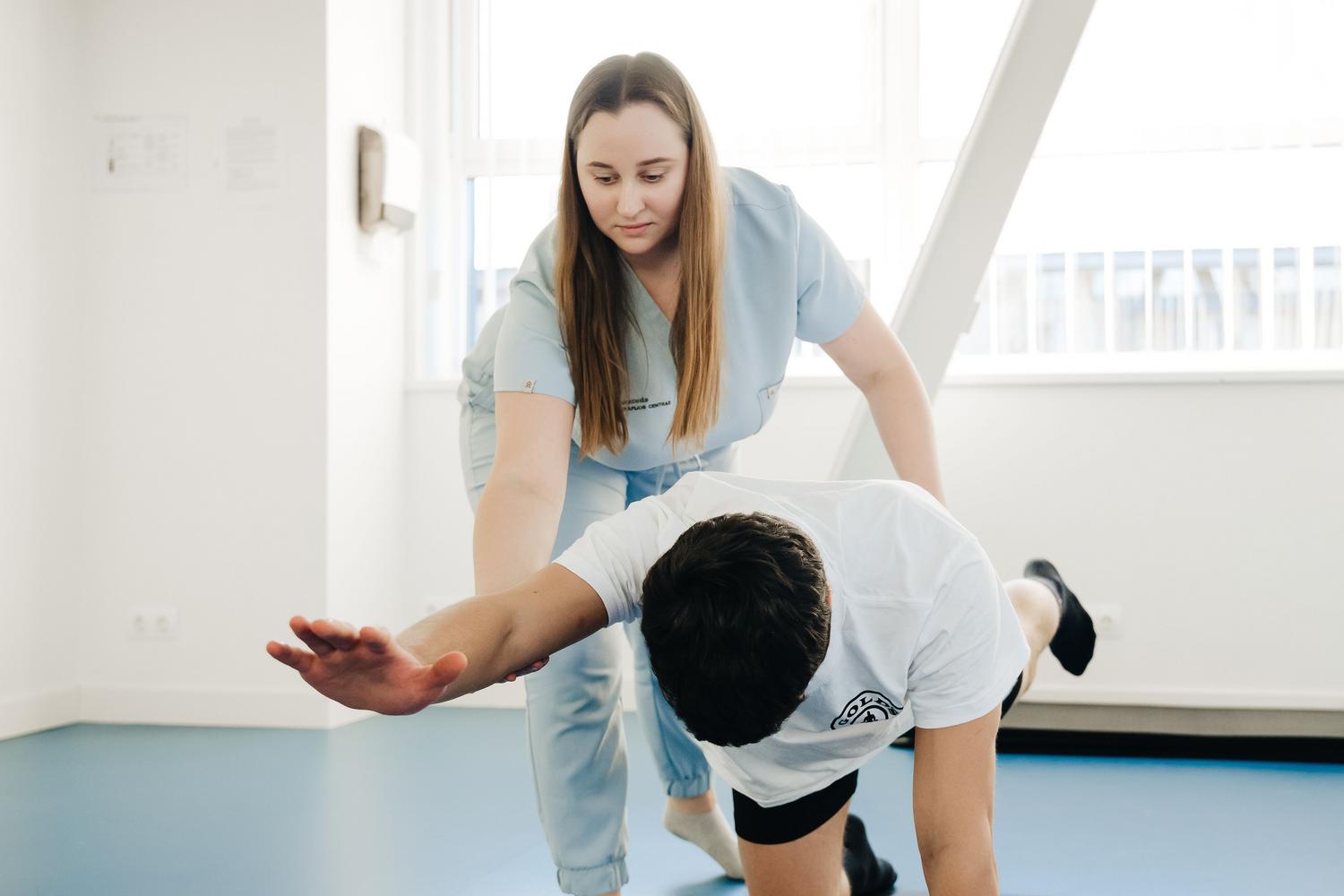
When seeking to formalize this knowledge through an institution like the University of Valencia, we encounter various options for postgraduate degrees . These documents, while not officially recognized, are duly registered and issued by the Rector's Office, providing significant academic endorsement. Depending on the course load and objectives, the following degrees can be obtained:
- Master's Degrees in Continuing Education, ideal for in-depth specialization.
- Specialization Diplomasfocused on specific areas of knowledge.
- University Expert Titles, which validate advanced technical competence.
For those seeking something more specific, there are Continuing Education Certificates and University Microcredentials. The latter are certificates of achievement that detail the number of credits earned and the subjects studied, allowing for modular and flexible learning.
The importance of practical experience in companies
Theory is fundamental, but it's on the job where you truly learn the trade. That's why professional internships are a cornerstone for entering the job market with confidence. There are two main types that every student should be aware of to make the most of their training.
On the one hand, we have curricular internships , which are part of the mandatory study plan. To access them, students typically need to have passed at least 50% of their credits and be enrolled in the corresponding course. These internships are rigorously monitored by both a company supervisor and a faculty member, culminating in detailed evaluation reports .
On the other hand, there are extracurricular internships . These are voluntary and can be undertaken at any point during your studies. Ideally, they should be done once you have a solid foundation of knowledge, as this allows you to get much more out of the experience and apply what you've learned in class to real-world cases more effectively.
Academic training in motor control, university degrees, and experience in real-world settings all converge to create a competitive professional profile. The combination of specialized studies and supervised clinical practice is the surest way to ensure that therapeutic exercise is applied with scientific rigor and real-world effectiveness.