- Implementation of optimization and operations control strategies to increase industrial productivity and quality.
- Use of Statistical Process Control (SPC) and PID controllers to manage critical variables such as temperature and pressure.
- Specialization in automated systems using PLC, DCS, SCADA and industrial communication networks.
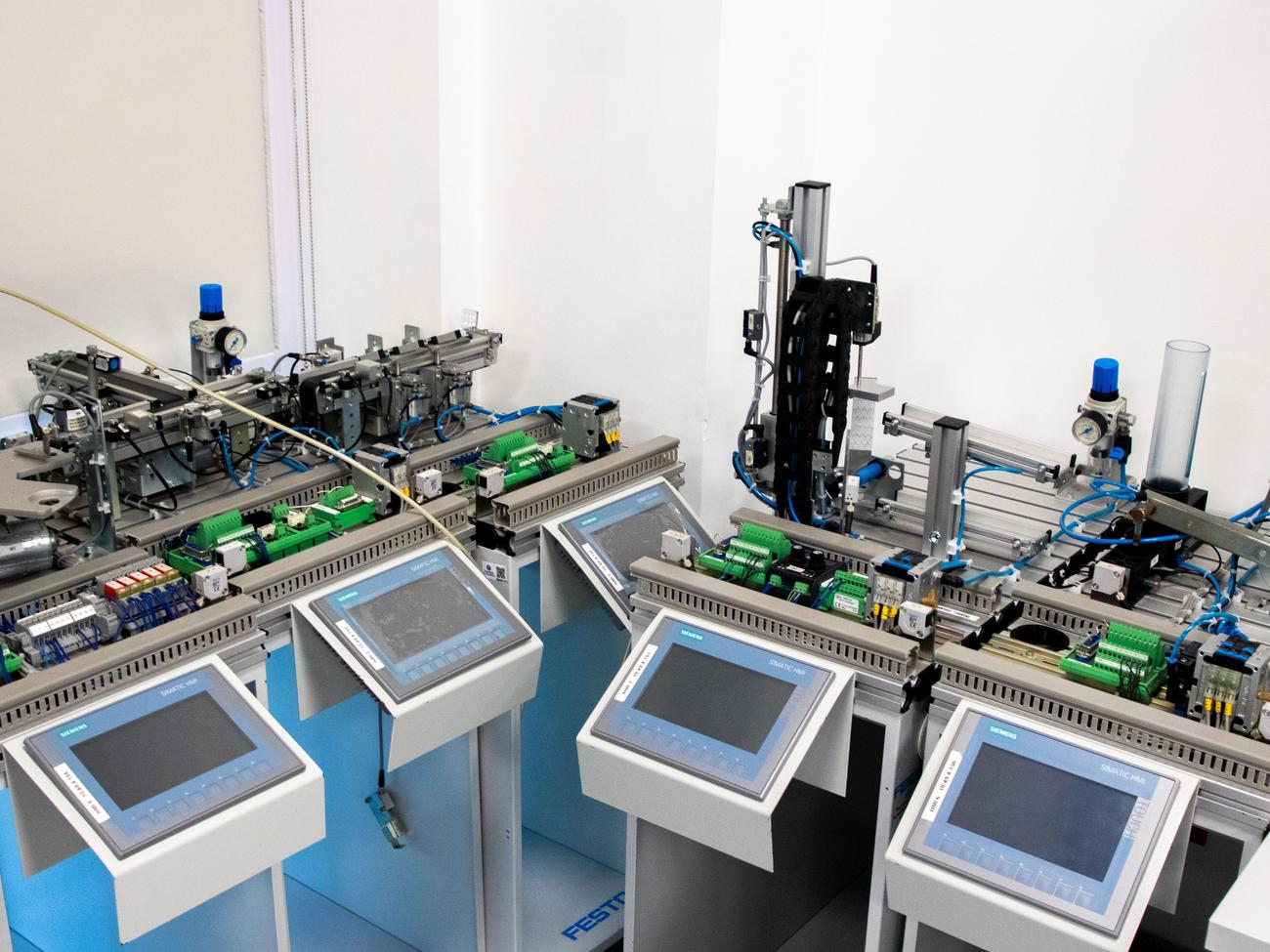
If you work in the industrial sector, you know that keeping the ship afloat requires absolute mastery of the variables. It's not just about making the machines work, but about ensuring that cost efficiency and productivity remain at optimal levels in a constantly changing environment. To achieve this, it's essential to master process control, which encompasses everything from supply chain management and material flow to design and operational planning.
Learning to optimize these workflows is not only a competitive advantage, but a necessity for any professional who wants to prevent production from descending into chaos. That's why specialized training programs exist that combine academic theory with real-world practice , allowing students not only to understand the concepts, but also to know exactly where to intervene when something goes wrong on the production floor.

Production Optimization and Operations Control
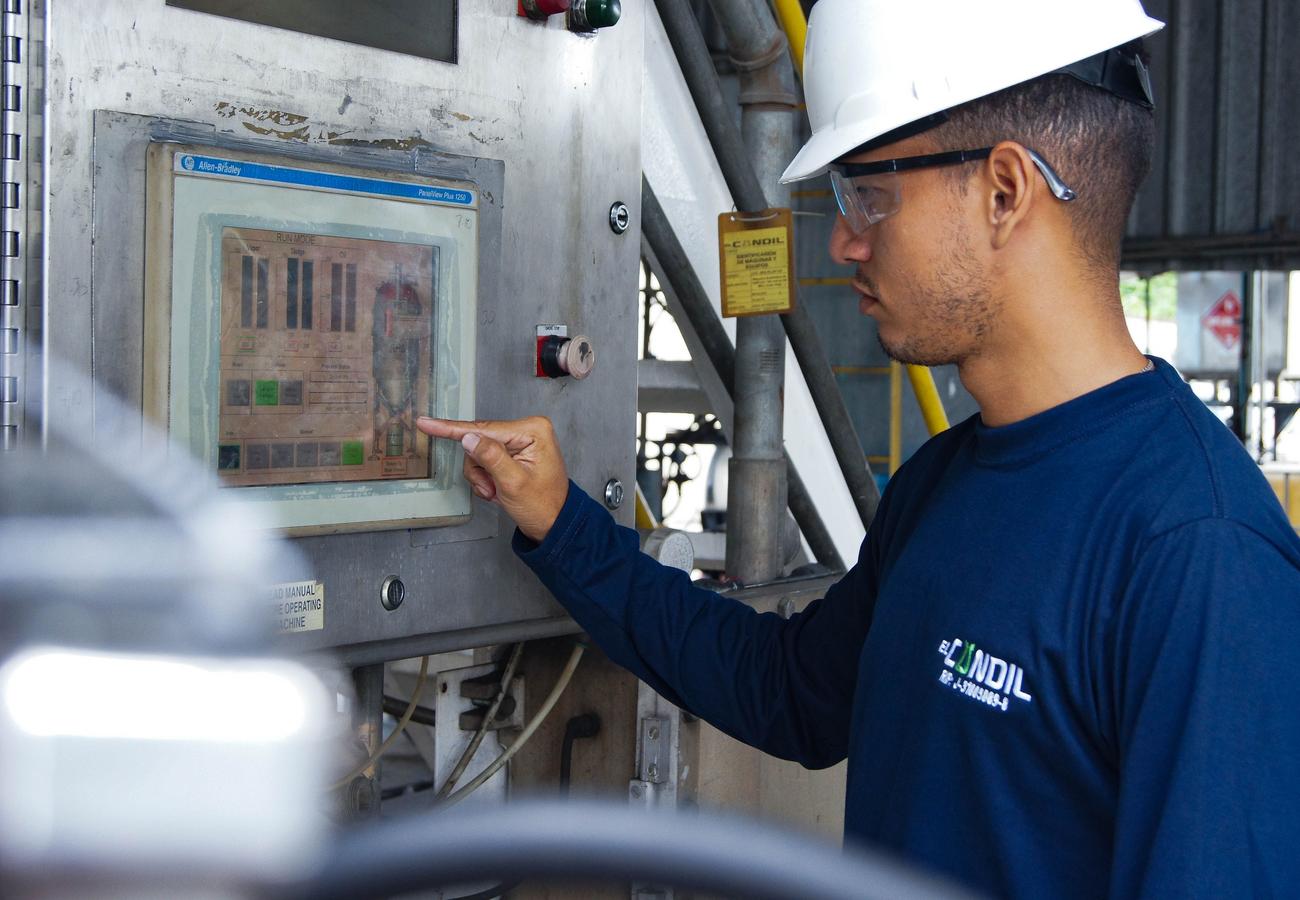
Process optimization training aims to equip students with the ability to evaluate and improve production cycles in any type of industry. The goal is to master analysis and design tools so that quality is not a matter of luck, but rather the result of a well-implemented strategy. Ultimately, those who master these techniques can effectively identify and resolve bottlenecks , implementing control systems that significantly boost productivity.
This type of learning is designed for both recent graduates and veterans who want to specialize in industrial roles and processes . The approach is typically practical, evidence-based, and expert-led, ensuring that students learn to implement control strategies that work in the real world, not just in textbooks.
Fundamentals of Industrial Process Control
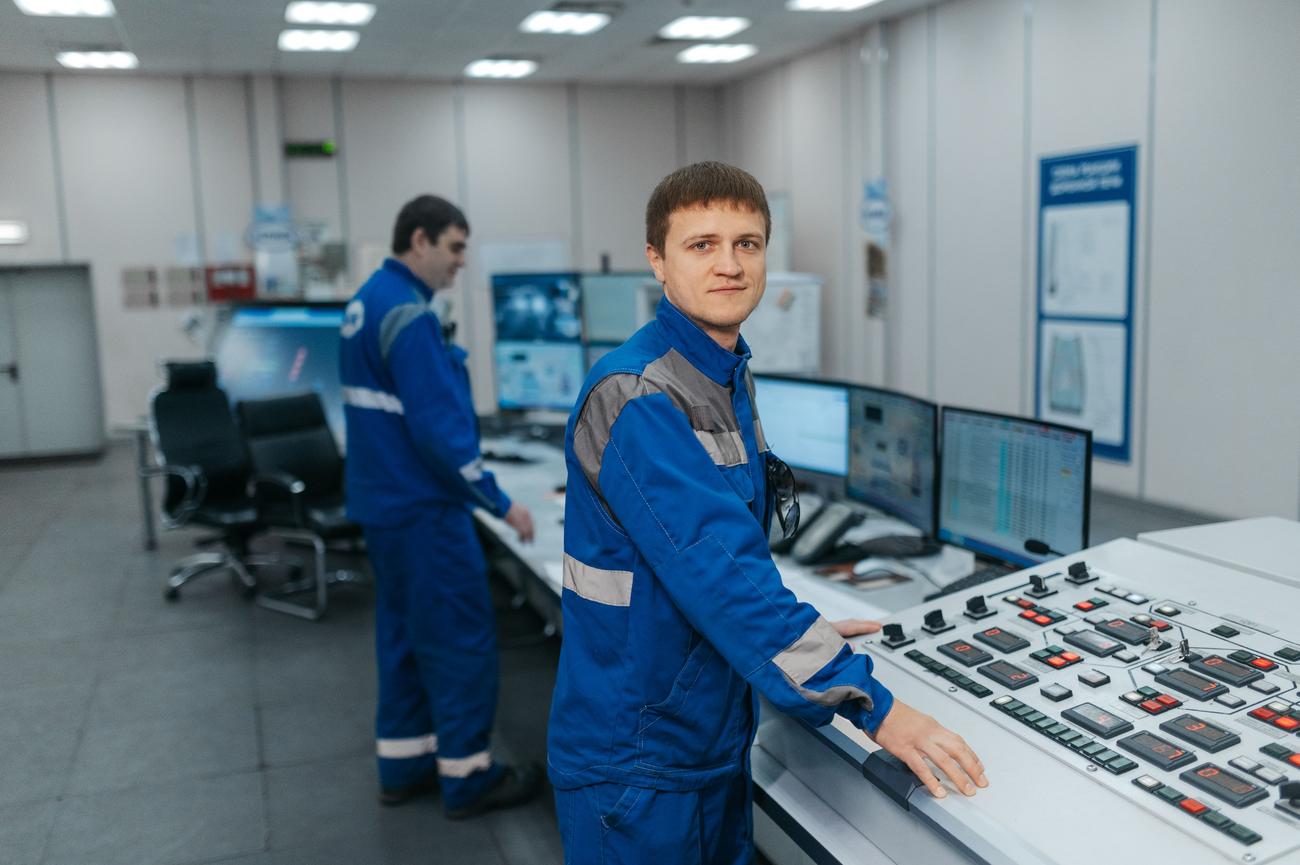
To understand how a plant works, it's essential to first understand that there are critical variables such as pressure, flow rate, temperature, and level . These must be maintained at fixed values or follow a predetermined curve to ensure the final product is correct. A control system is essentially the mechanism that compares the actual value of a variable with the desired value and applies an automatic correction based on any detected deviation.
Previously, this was done manually by an operator using simple pressure gauges and valves, but today the complexity is such that we need automation. This is where Programmable Logic Controllers (PLCs) and other advanced measuring instruments come into play, eliminating human error and optimizing time.
Statistical Process Control (SPC)
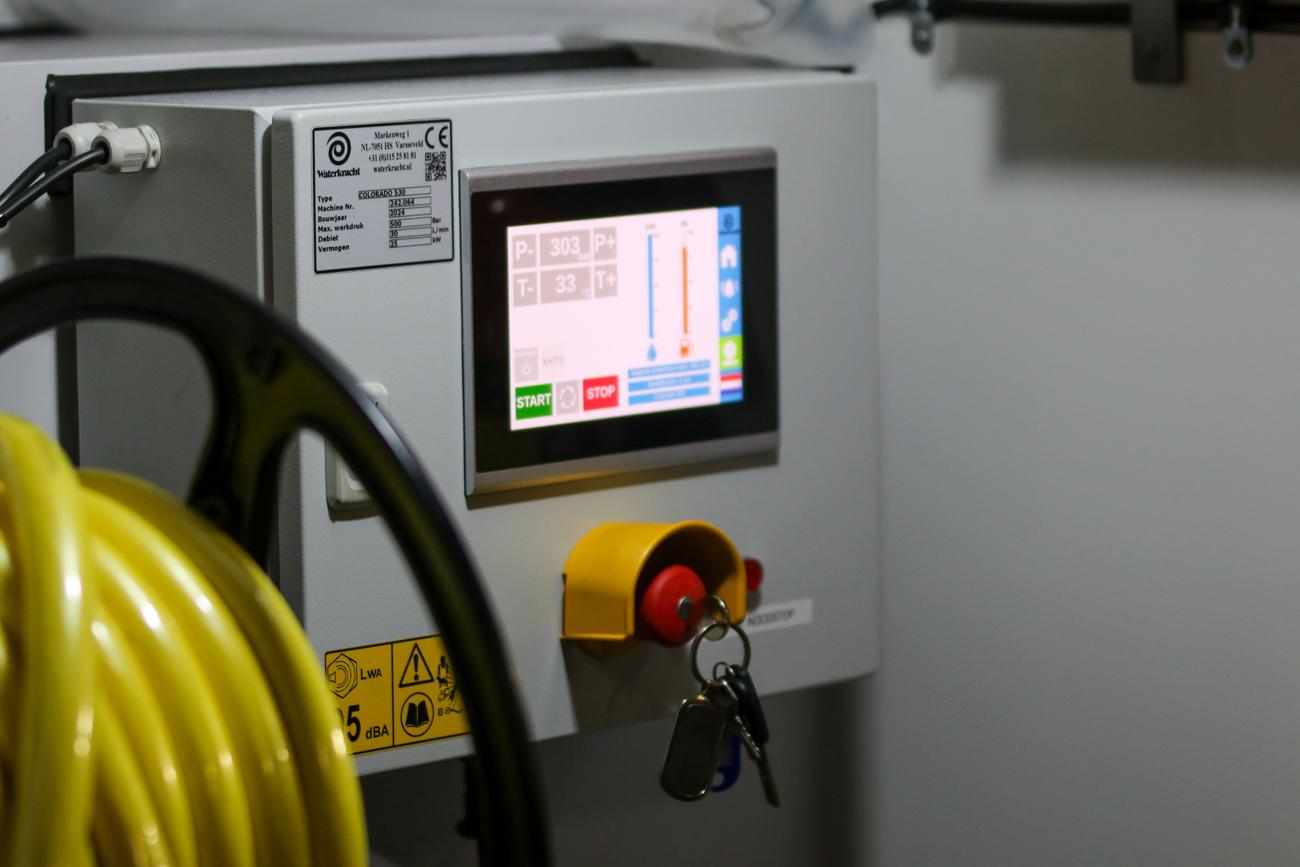
It's not enough for the machine to simply work; we need to know if it's always working correctly. SPC, or Statistical Process Control, is key to identifying the causes of production deviations . Thanks to this methodology, it's possible to calculate capability indicators and design control charts that provide early warnings before the process exceeds acceptable limits, thus ensuring consistent quality.

Technical Specializations and Advanced Modules
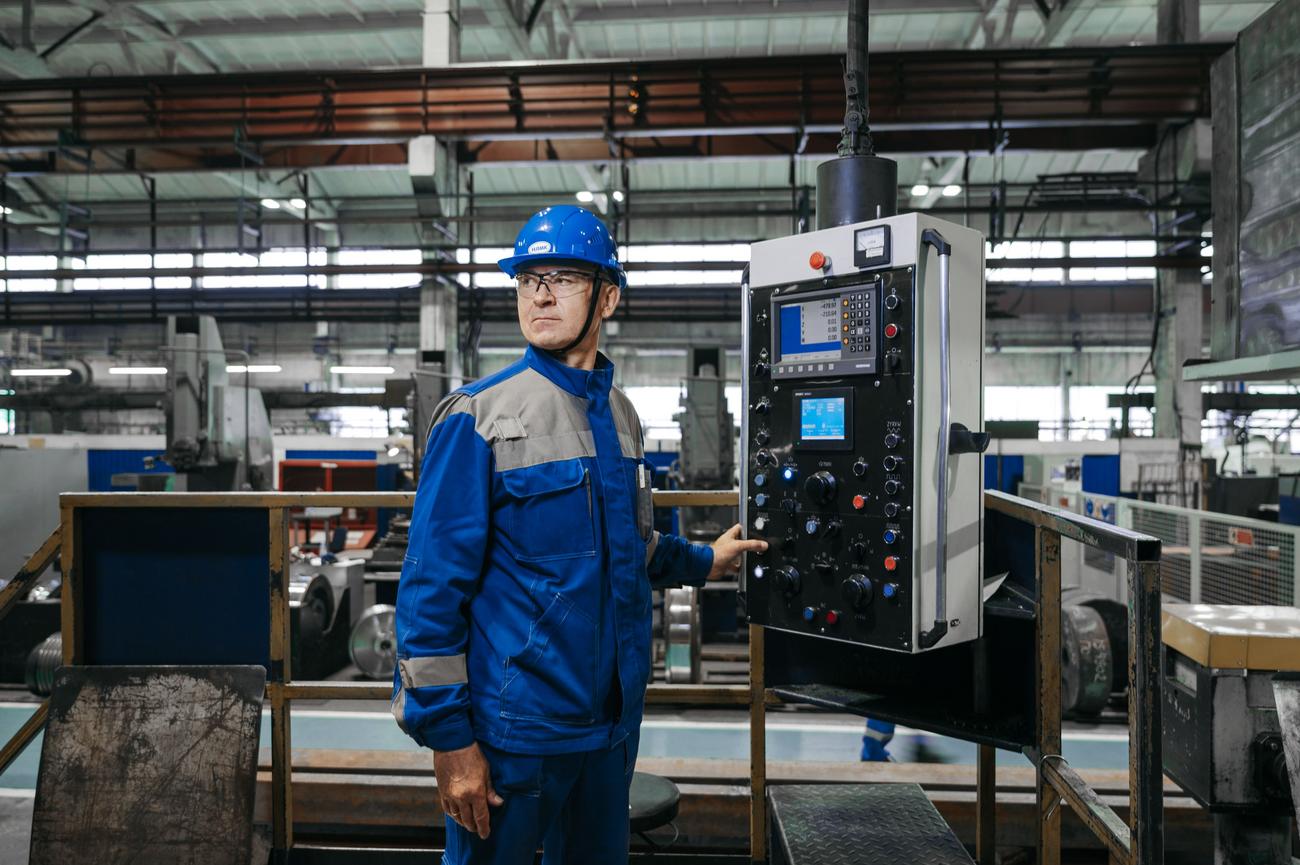
Process control is a vast field divided into numerous technical specialties. One of the most important is mastering the PID (Proportional, Integral, and Derivative ) controller, which is the heart of automatic regulation. Alongside this, it is vital to understand industrial mechanical engineering , the operation of control valves , and how to prevent interference in instrumentation signals and electrical grounding.
- Advanced Control Systems: They include single-loop and multi-loop control, as well as process simulation using software such as SIMIL-TWO.
- Field Instrumentation: Precise measurement of physical variables (pressure, level, flow rate) and the use of analytical measurements.
- Control Architectures: Implementation of DCS, PLC, Fieldbus, SIS and SCADA systems for comprehensive management.
- Specific Techniques: Compressor control, applied thermodynamics and steam boiler management.
In addition, there are modern approaches such as expert predictive adaptive control , which allows the system to adjust itself according to the conditions of the environment, taking automation to a higher level.
Logistical and Training Aspects
For those seeking these certifications, live online classes via platforms like Zoom have become the standard, allowing for seamless interaction and access to virtual classrooms . These training programs commonly include learning materials, assessment exercises, and digital diplomas, and some are eligible for funding through FUNDAE for Spanish companies.
Mastering instrumentation, from instrument calibration to industrial network management and thermodynamics, allows a conventional plant to be transformed into a smart production unit , minimizing errors and maximizing operational profitability through rigorous technical supervision.

