- Job insecurity is a multidimensional phenomenon that combines contractual instability, insufficient wages, and lack of social protection.
- There are fraudulent practices such as bogus self-employed workers and chain subcontracting that evade corporate responsibility.
- The most vulnerable groups, especially women, young people and immigrants, suffer a higher rate of exclusion and labor exploitation.
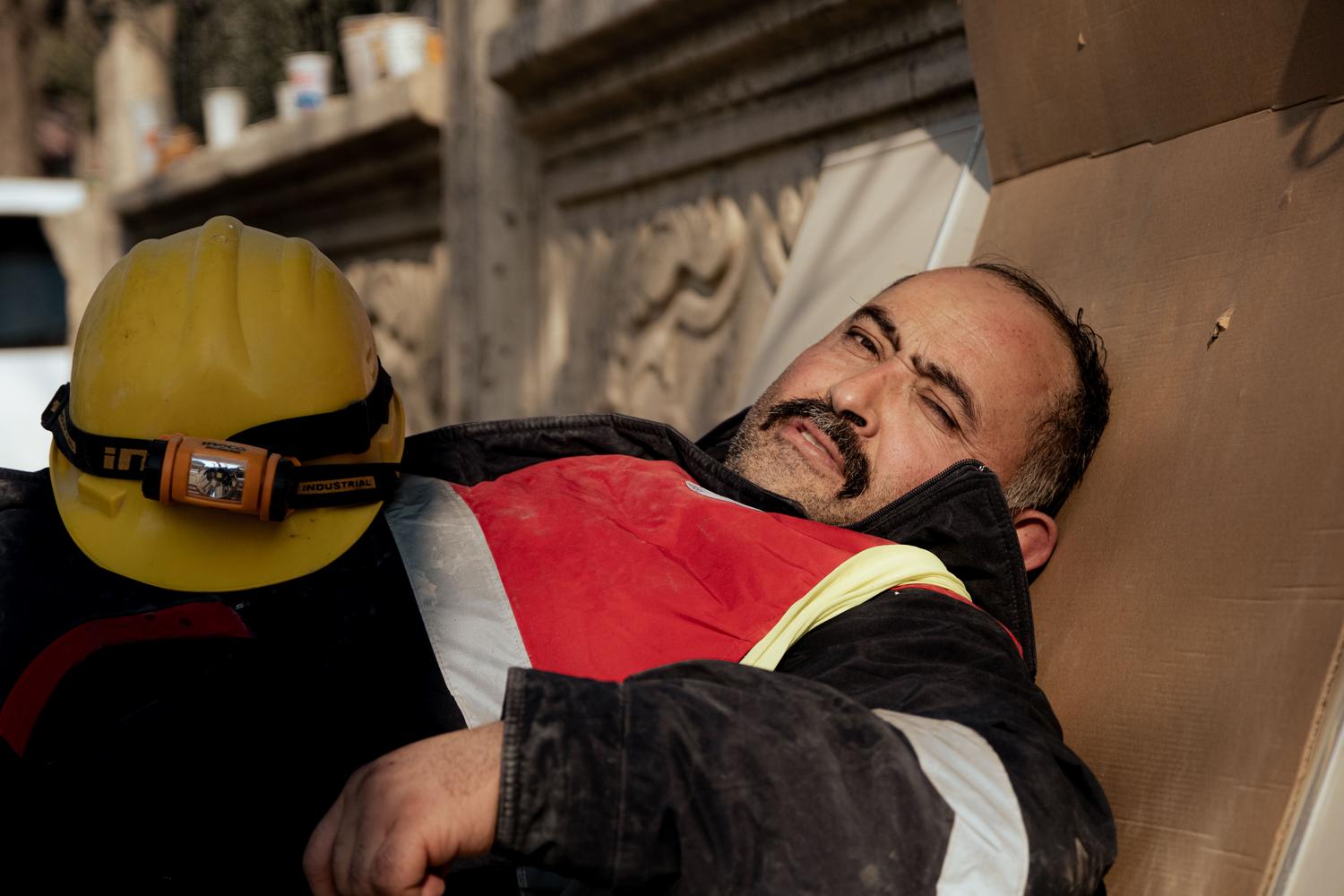
When we talk about work, we usually think of a contract, a paycheck at the end of the month, and the peace of mind of knowing that if we get sick, we have insurance to cover us. However, the reality for many people is very different. Job insecurity isn't just about earning little money; it's about living in a state of constant uncertainty where the balance between daily effort and reward is simply nonexistent.
This phenomenon is complex because it doesn't occur in just one way; it's like a puzzle where the lack of effective laws, the economic crisis, and the vulnerability of certain people all fit together. It's not just an economic problem, but a human rights issue , since it prevents workers from planning their lives long-term or living with the minimum dignity that every person deserves.

What does precarity really consist of?

To fully understand it, precariousness must be viewed as multidimensional. It's not just about low wages; it also affects job quality and access to social protection. It occurs when a job doesn't allow for a decent balance between transparent and predictable working conditions and fair compensation. In many cases, this translates into endless workdays that destroy work-life balance and a constant fear of being fired.
Among the main causes are the excessive use of temporary contracts and the precarious nature of employment. Some people work without being registered with Social Security, leaving them completely unprotected in the event of a workplace accident. Furthermore, non-compliance with collective bargaining agreements and the lack of occupational risk prevention measures turn many work environments into veritable death traps.

The pitfalls of the modern labor market
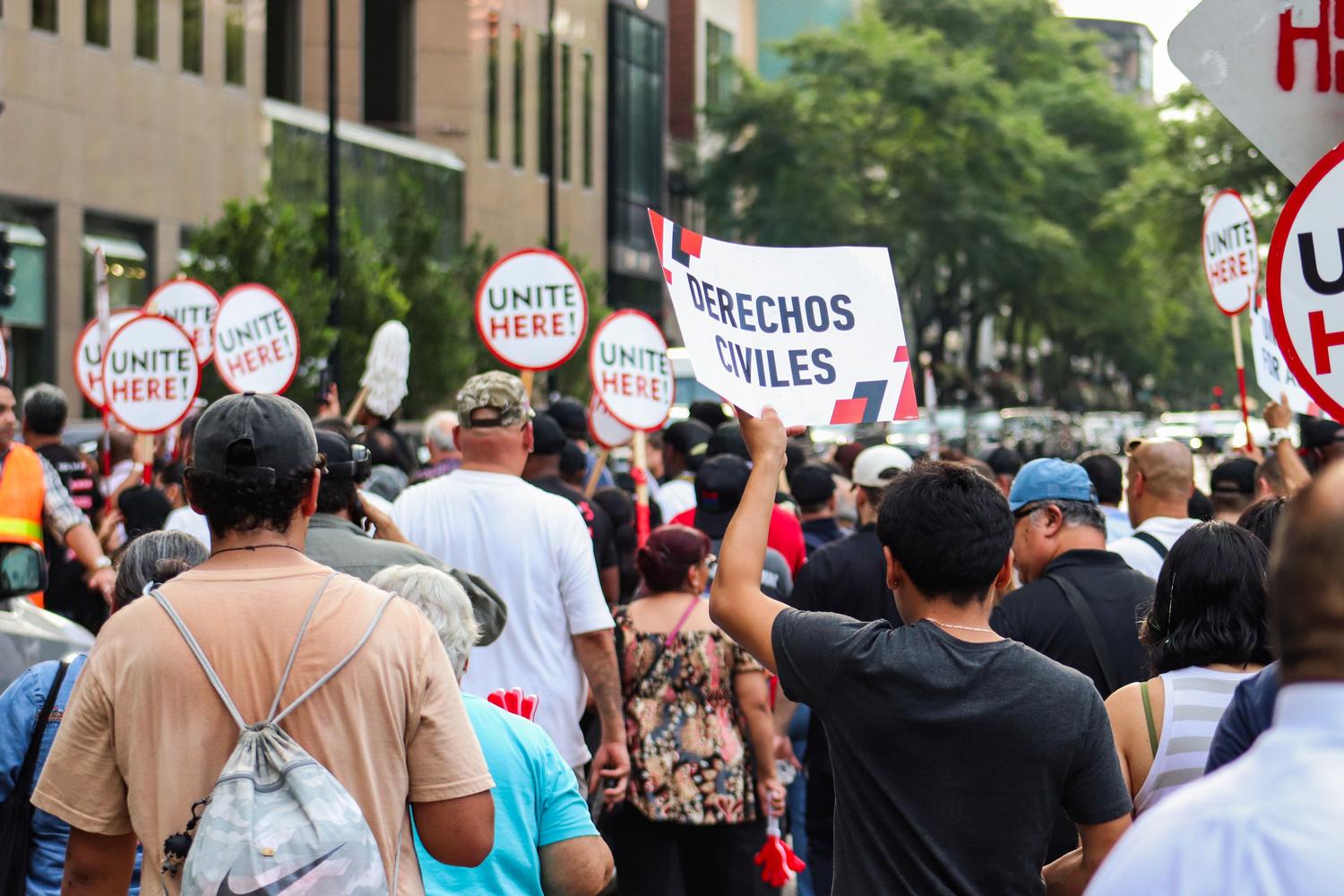
Today, sophisticated mechanisms exist for companies to evade their legal responsibilities. One of the most common is chain subcontracting . Here, a large company contracts a medium-sized one, which in turn contracts a small one, and so on, down to micro-enterprises with no financial resources. At the end of the chain, the worker receives a meager wage, and the quality of employment plummets—a common occurrence in the construction sector.
Another widespread phenomenon is that of bogus self-employed workers . These are people who, on paper, work for themselves, but in practice depend entirely on a single boss, have no infrastructure of their own, and assume no business risks. They are simply employees forced to pay their own social security contributions and waive the benefits of collective bargaining, leaving them in a situation of extreme vulnerability.
- Underground economy: The harshest scenario, where the law of the jungle prevails and there is no control over salaries or working hours.
- Delivery platforms: A modern example where the term "delivery partner" is used to disguise an employment relationship and avoid paying pensions or insurance.
- Outsourcing of services: Very common among hotel chambermaids or telemarketers, where responsibility is diluted among several companies.

Social groups most affected

Precarious employment doesn't affect everyone equally; some groups bear the brunt of it due to prejudice or administrative issues. Women, for example, suffer a persistent gender pay gap and a higher rate of part-time or fraudulent contracts, in addition to shouldering unpaid domestic and care work.
Young people face a pervasive cycle of temporary employment, with 90% of contracts in some sectors being precarious, preventing them from becoming independent. Meanwhile, immigrants and undocumented individuals face the worst possible scenario. The fear of deportation forces them to accept dangerous jobs, requiring no training and paying wages far below market rates, making them easy targets for organized crime and speculators in sectors like agriculture and hospitality.
Tools to combat precarity

To get out of this mess, laws on paper alone aren't enough, because, as the saying goes, "easier said than done." Labor inspections are often insufficient due to a lack of staff and resources , which means many violations go unpunished. Therefore, the most effective path remains collective organizing and strengthening unions to pressure for decent working conditions.
Internationally, due diligence laws are emerging that require companies to monitor for labor rights violations throughout their value chain . This presents a golden opportunity for workers to put pressure on multinational corporations. Furthermore, it is vital to foster a culture of solidarity that breaks with the ideology of individualism and false entrepreneurship that currently dominates the market.
The fight against the degradation of employment requires a joint effort between academia, unions, and institutions to create spaces for convergence between feminist, environmental, and social perspectives. Only through transparency in workloads , accurate recording of working hours, and the elimination of discrimination can we guarantee that work is a tool for liberation and not a form of modern slavery.