- Scientific communication is a comprehensive system that allows academic findings to be shared with society, adapting technical language to understandable formats.
- The success of current science communication depends on a professional strategy that combines scientific rigor with digital positioning and SEO techniques.
- There are several essential roles in this process, from the researcher and editor to the advisor, ensuring that the information is truthful and accessible.

We often think that publishing a study in a specialized journal is enough, but the reality is that a finding that no one knows about is, for all practical purposes, a finding that doesn't exist. In a world where global challenges are increasingly complex, getting science out of the laboratory and into the public sphere is not just a whim, but a vital necessity for progress as a society.
Scientific communication is not simply about "translating" difficult words, but about applying a strategic and professional methodology . Good intentions alone are not enough; it requires knowing your target audience, the most appropriate channel, and how to measure whether the message has truly resonated with the public. It is an essential bridge between data rigor and public understanding.
What does scientific communication really consist of?

We can define it as a mechanism designed to allow science professionals to store and distribute their work openly and transparently. This system is based on freedom of expression, enabling anyone to access research projects without discriminatory barriers. The idea is to keep society informed about advances in medicine, biology, and technology, using language that doesn't intimidate the average person.
This process is not rigid, but rather highly adaptable to different contexts . Dissemination models vary depending on a country's political, economic, or social situation. For example, in environments where access to information is restricted, scientific communication becomes a refuge where experts within the same field debate and validate data to ensure that the truth prevails.
The pillars that support disclosure
For a scientific project to reach the end reader with quality, several fundamental roles work together as a team:
- The researchers: They are the creators of the work. Their mission is to ensure that the work is original and, above all, truthful, following a strict study plan without manipulating the results.
- The editors: They act as a quality filter. They don't change the substance of the research, but they polish the form to make the text digestible and verify that all bibliographic sources are correct.
- The advisors: They are the expert consultants who help close plot gaps and resolve technical doubts so that the final product leaves no loose ends.
- The reader: It is the final recipient, the general public that consumes the information and, in turn, can share it in more specialized circles.
Channels and models of dissemination in the digital age
Today, the ecosystem in which science operates is hybrid. On the one hand, we have the power of the internet , which is the most widespread channel, especially for young people between 15 and 34 years old through blogs and social networks like Instagram or Facebook. On the other hand, books and journals maintain significant importance, particularly in the university setting, although many have already migrated to digital format through subscriptions.
We cannot forget traditional media such as radio and television, which continue to have a broad impact , reaching people of all ages and educational levels. Regarding communication dynamics, we distinguish two models: active dissemination , where the public interacts, expresses opinions, and generates a feedback loop with the expert, and passive dissemination , where the recipient simply consumes the information without providing direct feedback.
The professional leap: SEO and Digital Strategy

Bringing science to the web requires more than just writing a good article; it requires mastering search engine optimization (SEO) . For a project to be visible on Google or Bing, it's essential to work on indexability, optimize page load speed, and ensure that the content is accessible on mobile devices. If a science website is too large or not user-friendly, the user will leave before reading the first hypothesis.
Beyond the technical aspects, content marketing and inbound marketing play a key role. Creating newsletters, press releases, interviews, and blog posts allows you to attract users organically. Strategic communication makes it possible to define the target audience and design messages that not only inform but also resonate and foster scientific literacy among the population.
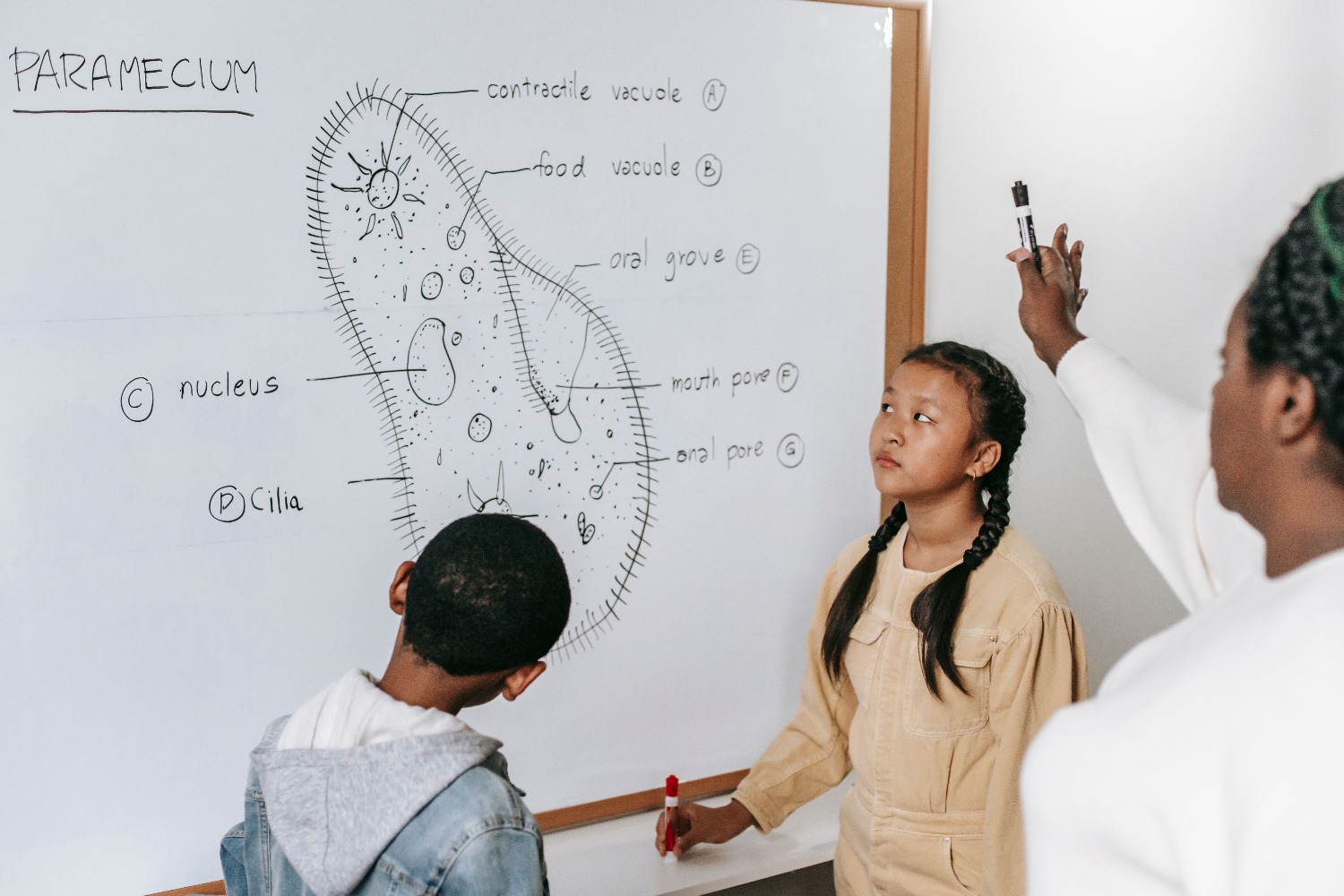
Science communication is a powerful educational tool, especially for children. It has been shown that children between the ages of 7 and 15 exhibit a natural curiosity that, when properly channeled, enhances their intellectual development. Integrating science into basic education fosters a more critical and cultured society.
However, it's not all simple. Public visibility can also bring risks; it has been observed that some scientists, especially women, face gender-based hostility when presenting their work in the mass media. This demonstrates that scientific communication must also strive for ethics and professionalism to protect those who generate knowledge.
The ability to transmit technical knowledge clearly and strategically allows society to evolve and make evidence-based decisions. Integrating specialized training, the use of digital tools, and human-centered content management ensures that research doesn't remain dormant but transforms people's daily lives.
FAQ
What is the difference between active and passive disclosure?
Active dissemination involves constant interaction where the public gives opinions and debates with experts, while in passive dissemination the receiver only consumes the information without generating a response.
What is the purpose of SEO in science communication?
It helps scientific content appear in the top search engine results, improving its visibility and making it easier for the public to find the information.
Who is responsible for making a scientific text understandable?
Editors and advisors are responsible for analyzing and polishing the work so that it is understandable to the average reader without altering the original technical content.
What is the role of the researcher in scientific communication?
The researcher must provide the originality and veracity of the work, ensuring that the data has a solid scientific basis and has not been modified.
What are the most effective means of reaching young people in science?
The internet is the widest channel, highlighting the use of social networks such as Instagram and Facebook, blogs and specialized digital portals.
Why is scientific communication important in basic education?
Because it takes advantage of the natural curiosity of children and adolescents to raise their cultural level and foster interest in areas such as medicine or chemistry from an early age.
