- The transition from an educational model based on memory to a higher-order thinking methodology that empowers the student.
- Implementation of cognitive routines, metacognition, and technological tools to promote intellectual autonomy.
- The importance of the alliance between school and family to cultivate critical, creative and empathetic thinking.

We often find that current education remains stuck in a system where exams are king and memorization is the primary tool. However, it's worth asking whether the true role of the teacher shouldn't be, rather than simply transmitting information, a guide who helps students develop the ability to reason for themselves in an information-saturated world.
Learning to think is not an innate gift, but a skill that is developed. It's not about filling your head with concepts that will be forgotten after the exam, but about equipping students with solid mental tools that allow them to analyze their environment, question the status quo, and make informed decisions, thus transforming them from passive recipients into active builders of their own knowledge.
Beyond memory: The problem of the traditional model
For decades we have fallen into the trap of segmenting knowledge into isolated subjects, creating this false dichotomy between those who are "humanities" or "science" students. This fragmentation, coupled with exam-based teaching , has led many students to view studying as a process of cramming and then regurgitating information, without ever truly understanding the usefulness of what they learn.
Memory is certainly necessary, but it must be a balanced combination of neural and virtual memory. The key is not the data itself, but rather drawing conclusions and understanding its implications for everyday life. When learning becomes detached from the student's reality, it becomes artificial, offering very little long-term value and sometimes contributing to the students' intellectual decline.
What does it really mean to teach people to think?

Teaching students to think involves integrating instruction in thinking skills into the general curriculum. It is not a separate subject, but rather a way of approaching any content. The goal is for students to use higher-order thinking to explore topics in depth, developing autonomous, creative, and, above all, critical thinking.

This approach frees us from manipulation and strengthens our character. By cultivating the ability to analyze and evaluate information, students develop stronger self-esteem and a voice of their own, which is essential for forming free and capable citizens who can live in a democratic society.
Methodologies and tools to activate the mind
There are various cognitive strategies that can transform the classroom and the home. One of the most powerful is metacognition , which involves students observing their own thought processes, asking themselves how they arrived at a conclusion and what biases they may have had.
- The Socratic Method: Instead of providing answers, it focuses on asking a series of linked questions that force the student to delve deeper and get to the root of the problem.
- Thinking Routines: The use of repeatable patterns that help organize the mind and make thinking visible.
- Connections and Analogies: Relating new concepts to previous experiences significantly increases retention and understanding.
To bring these ideas to fruition, techniques such as structured brainstorming can be used , where multiple ideas are generated without initially judging them, or mind maps, which allow you to visualize the chaos of information and organize it hierarchically, activating both hemispheres of the brain.
The role of technology and practical activities
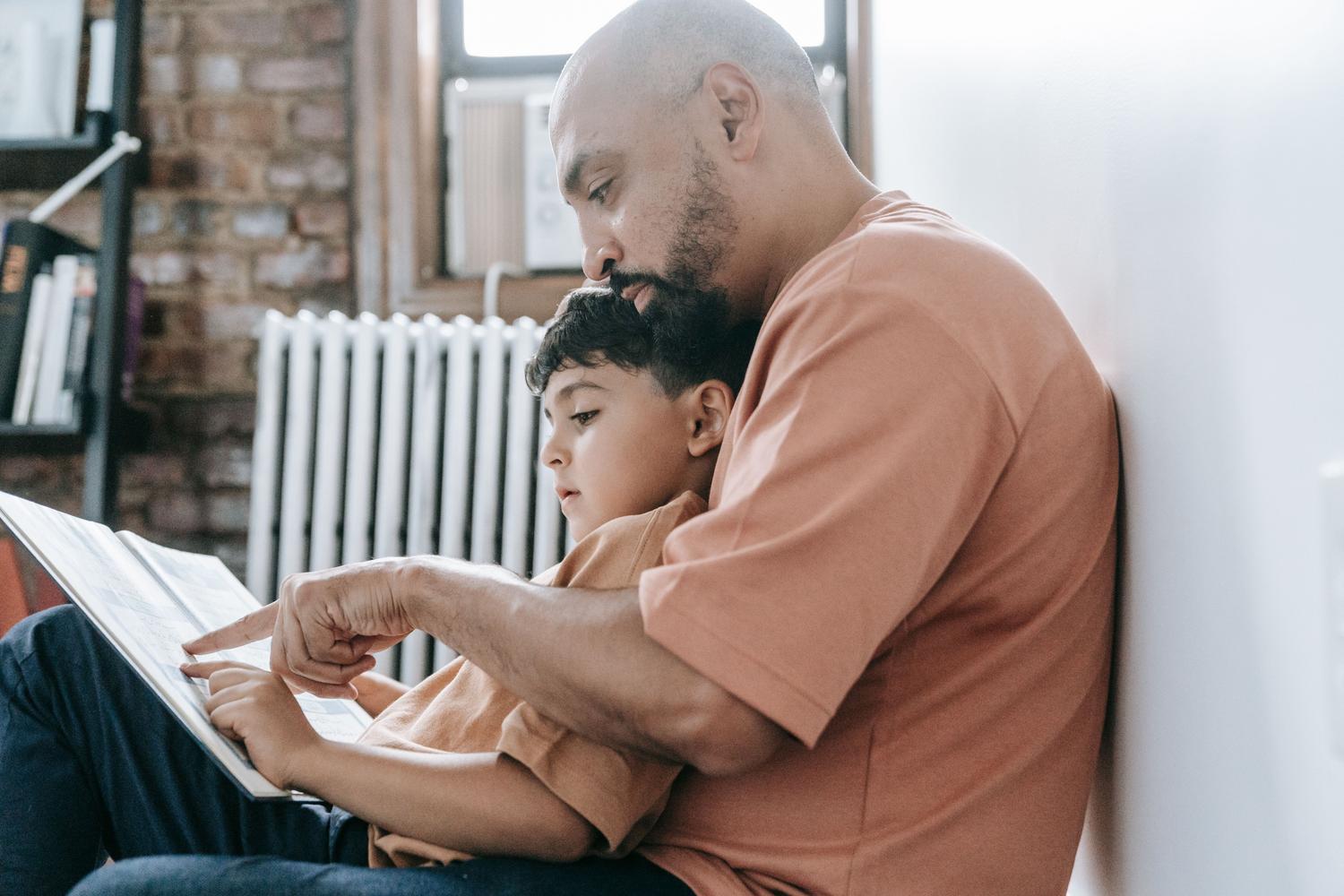
Technology, when used effectively, is an incredible ally. Tools like Padlet for collaborative walls, Miro for concept maps, and Mentimeter for real-time interaction foster a culture of shared thinking . It's not about using tablets for the sake of using them, but rather about using them as a medium to express and refine ideas, integrating digital literacy and critical learning.
Furthermore, activities such as educational escape rooms , chess, programming, and scavenger hunts require students to confront real-world problems where they must apply logic and creativity. Linking teaching to everyday situations is key to making learning truly meaningful.
The alliance between school and family
Education doesn't end at the school gates. Philosophy for Children (P4C) teaches us that creating a community of inquiry is vital, and this can be extended to the home. Families can foster critical thinking simply by asking "Why do you think that?" or by discussing whether a news item is a fact or an opinion.
To stimulate creativity, it is essential to value the most original proposals and encourage children to imagine alternative solutions to the same problem . Likewise, cultivating careful thinking involves working on empathy, actively listening, and recognizing that thinking also means learning from others and knowing when to change one's mind in the face of a sound argument.
The teacher as artist and guide
The modern teacher cannot be a static, talking head; they must be a clear-headed optimist who moves around the classroom, recognizing the diversity of contexts and needs. Educating is, in essence, teaching how to think, feel, live together, and make decisions, sometimes relying on mentorship within the educational sphere.
It is crucial to allow students to make mistakes. Errors should not be a cause for punitive punishment, but rather an opportunity for correction and improvement. When the teacher establishes a strong personal connection and presents a stimulating intellectual challenge, the positive Pygmalion effect occurs: the student feels capable because the teacher believes in them.
Finally, we must combat the "hidden curriculum"—those implicit messages that perpetuate prejudices. A healthy school environment, where students feel they can be themselves without fear , is the most fertile ground for critical thinking and social responsibility to flourish.
The true educational goal is to enable the student to move from being a spectator to becoming the architect of their own knowledge, using curiosity and reasoning as compasses to navigate adversity and contribute to the common good, understanding that the ability to question tradition is what allows us to transform the world for the better.

